

Common Issues Uncovered in Australian Property Inspections
Navigating Australia’s Unique Property Landscape

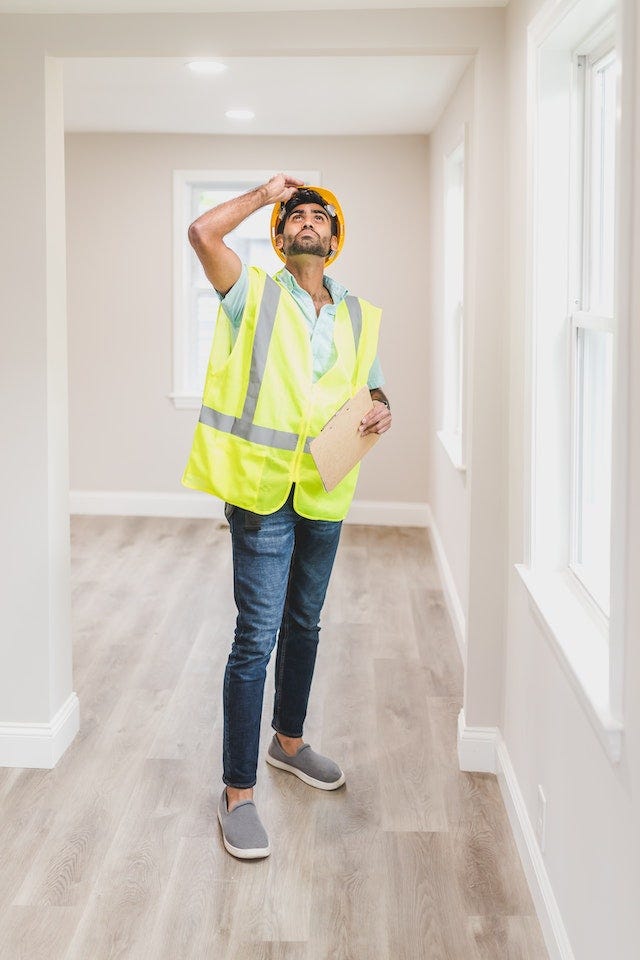
Australia's unique climatic and environmental conditions present specific challenges to buildings and structures. Given the potential risks and the significant investment that properties represent, rigorous property inspections have become paramount. This article delves into the typical problems uncovered during these inspections and addresses some frequently asked questions about the process in Australia.
Sponsored
Find the Perfect Building Inspector with InspectorFinder
Your Trusted Source for Qualified Inspectors and Inspection Reports
The Scope of Building Inspections in Australia
What do building inspectors look for in Australia?
Building inspectors in Australia adhere to a comprehensive checklist, ensuring every potential issue is addressed. Commonly, they examine:
Structural elements: The foundation, walls, roof, and general build.
Safety concerns: Fire alarms, safety switches, and smoke detectors.
Plumbing: Drainage, water supply, and potential leaks.
Electrical systems: Wiring, outlets, and potential hazards.
Pest infestations: Particularly termites, which are prevalent in Australia.
General wear and tear: Checking if the building has aged prematurely.
Potential Pitfalls: What can go wrong in a building inspection?
Though the inspection process is thorough, several issues can arise:
Misidentification: An inspector might mistakenly identify a non-issue as a problem or vice versa.
Limited Access: Inability to inspect certain areas due to obstructions.
Transient Issues: Problems that appear occasionally, like intermittent electrical faults, might go unnoticed.
Regulatory Framework: The Australian Standard for Building Inspection
The Australian standard for building inspection, often referred to as AS 4349.1, delineates the requirements and guidelines for property inspections. This standard ensures consistency, thoroughness, and professionalism across the sector.
Legal Repercussions: Can you sue a building inspector in Australia?
Yes, if an inspector negligently overlooks significant defects or misrepresents the condition of a property, they can be held legally accountable. However, it's crucial to understand the terms of the inspection agreement and the extent of the inspector's liability.
The Limitations of Property Inspections
What is the major weakness of walk-around inspection?
The primary limitation of a walk-around inspection is its superficial nature. Inspectors might miss hidden issues beneath surfaces or within enclosed spaces.
What are the drawbacks of inspection?
While inspections are invaluable, they are not infallible. Some potential drawbacks include:
Time-consuming process
Possible added costs for homeowners
Potential for human error
What is the most essential part of the site inspection?
The structural integrity of the property remains the most crucial aspect. Ensuring that the foundation, walls, and roofing are sound protects against significant future expenses and potential safety hazards.
Evaluating Different Inspection Approaches
What are the disadvantages of central inspection?
Central inspections, where a centralized authority or team conducts inspections, can be less flexible and might not cater to specific local needs or nuances. There might also be a delay in scheduling due to high demand.
Conclusion
Property inspections in Australia are comprehensive, governed by rigorous standards, and indispensable for property owners and buyers. By understanding the scope, benefits, and potential pitfalls of these inspections, individuals can make more informed decisions and safeguard their investments.
This article was originally published on ImspectorFinder’s blog.