

Grattan Institute Pushes Zoning Overhaul Aimed at $100k Housing Price Drop
Think tank calls for three-storey housing across Australian capitals as states weigh new density rules.

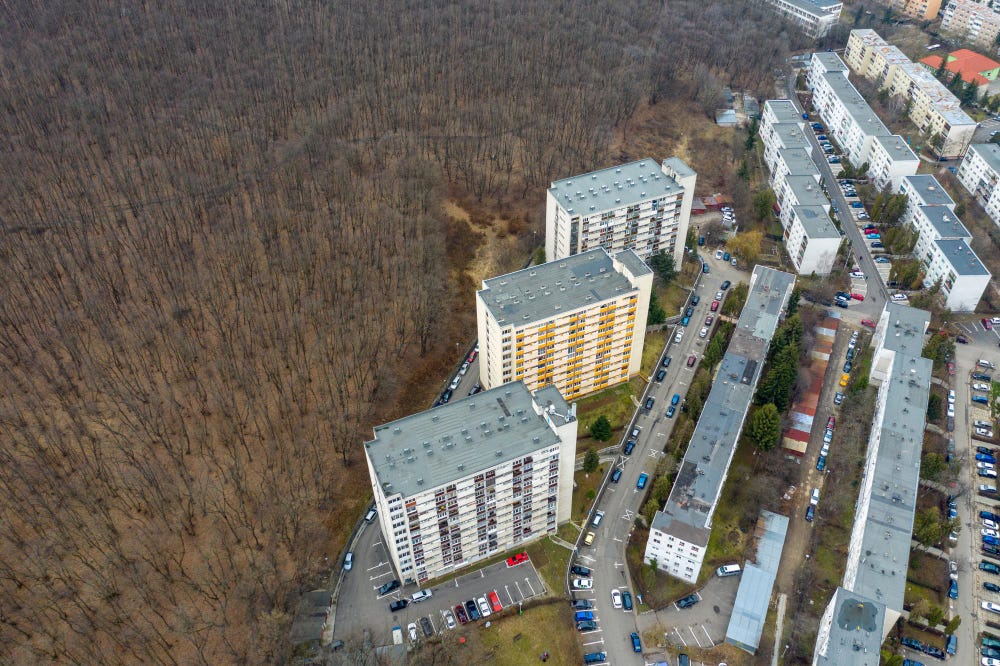
Australia’s housing affordability crisis could ease if governments embraced broad planning reform, according to a new report from the Grattan Institute.
The think tank is urging state and territory capitals to allow three-storey townhouses and apartments on all residential land, and up to six-storey buildings within 800 metres of key public transport and commercial hubs.
The Institute estimates such a move could lift construction by around 67,000 homes a year, cutting rents by roughly 12 per cent and lowering average dwelling prices by about $100,000 over the next decade.
Housing Program Director Brendan Coates said decades of restrictive planning had created a “housing affordability crisis that divides families and communities”.
Planning Systems Under Pressure
The report argues that Australia’s land-use frameworks have made higher-density projects the exception rather than the rule.
Across major capitals, most residential zones still limit building heights to two storeys, locking out the “missing middle” of medium-rise development.
Sydney and Melbourne are singled out for comparison: both cities would hold hundreds of thousands more homes within 15 kilometres of their CBDs if they matched the density levels of Toronto or Los Angeles.
In Brisbane, Perth, and Adelaide, up to three-quarters of residential land remains zoned for detached housing only.
State Reforms Already Underway
New South Wales and Victoria have begun implementing their own density programs.
NSW’s low and mid-rise housing and transport-oriented development policies promote building near train stations and town centres, while Victoria has announced a target of 800,000 new homes in ten years through faster approvals and a new townhouse code.
However, both reforms have faced community resistance and legal challenges from local councils, highlighting the political cost of rapid change.
Infrastructure and Feasibility Concerns
Industry voices support greater density but warn of unintended consequences.
Analysts argue that rezoning entire cities at once could overwhelm infrastructure networks not designed for a sudden population surge.
Water, power, transport and school capacity differ widely between suburbs, meaning some areas could absorb new residents cheaply, while others would require expensive upgrades.
The Housing Industry Association and Planning Institute of Australia have called for “targeted, well-planned density” supported by infrastructure investment and streamlined approvals.
Will Upzoning Work?
The Grattan proposal is the boldest national housing vision in years, but success hinges on coordinated execution between federal, state and local governments.
Without detailed planning for transport, utilities, and social infrastructure, blanket rezoning risks fuelling community backlash and inconsistent outcomes.
Still, many in the sector agree that Australia can no longer avoid the density debate.
As Sydney’s median house price exceeds $1.6 million and Melbourne’s climbs past $1.08 million, even cautious policymakers admit that “gentle density” could be part of the solution.