

Melbourne Investors Pile In: Suburban Hotspots Surge as Competition Heats Up
From Craigieburn to Frankston, new data shows investors are crowding Victoria’s growth corridors but experts warn the herd mentality could test returns in 2026.
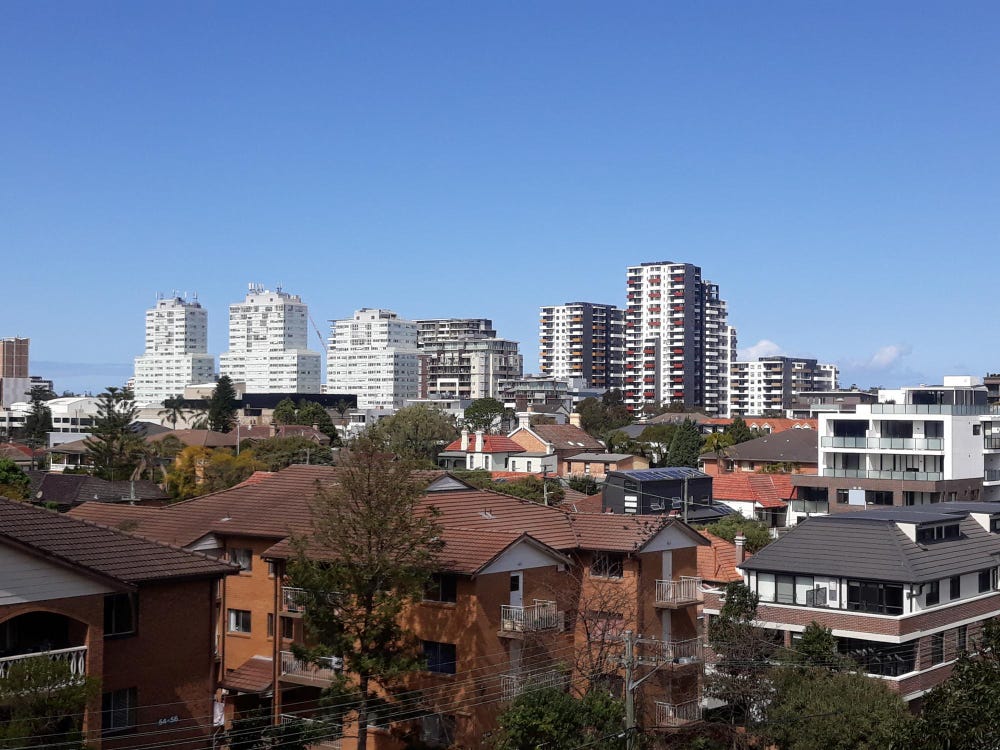
Investor momentum is back in Victoria. After a subdued 2023, Melbourne’s outer-ring suburbs have become some of the busiest property markets in the country, drawing strong demand from both local and interstate buyers.
Analysts say the trend reflects a renewed appetite for affordable houses, higher yields, and growth potential, but with the surge comes competition. Many areas that were quiet less than a year ago are now running hot, and investors are having to act faster and think smarter.
The suburbs leading the charge
Craigieburn continues to dominate investor attention. Entry prices that once sat below $650,000 are now closer to $700,000, yet the suburb still offers solid rental yields and data-driven fundamentals.
Further south, Frankston and Carrum Downs have posted some of the strongest price gains in Victoria over the past nine months — up roughly 10 to 15 per cent by some measures. Both remain magnets for investors chasing mid-tier affordability within commuting distance of the CBD.
On the western fringe, Hoppers Crossing and Werribee are drawing buyers priced out of inner markets. Limited stock and rising demand from first-home movers are keeping pressure on listings and prices.
Beyond the metro ring, Mildura and Hamilton are gaining traction among data-driven investors who see value in regional diversification. Typical houses in these markets can still be found in the high-$300,000 to low-$400,000 range rare affordability in the current cycle.
Meanwhile, Melton West, Sydenham and Cranbourne round out the list of emerging suburbs. Each has seen a notable lift in activity, with Melton’s median price jumping from the low-$400,000s to around $550,000–$600,000 in under a year.
The mindset shift behind the move
Industry strategists point to a clear shift in investor psychology. Rather than sitting on the sidelines, more buyers are backing their research and acting with conviction. The message from experienced investors is simple: data means little without execution.
While information is abundant, opportunities often favour those who move early in the cycle. Suburbs such as Craigieburn and Frankston illustrate how fast conditions can change once momentum builds.
However, analysts also warn of herd behaviour when too many investors chase the same markets, and returns can flatten. As competition rises, understanding local fundamentals becomes more important than following popularity charts.
Key indicators to watch
Across Melbourne’s growth zones, analysts say the most promising markets share several traits:
Below-median entry prices with capacity for yield compression.
Demand outstripping supply, reflected in low listing volumes.
Early-cycle signals, where infrastructure upgrades and new developments are lifting demand.
Rental yields above city averages, supporting cash flow.
Those factors, combined with strong regional migration and construction bottlenecks, suggest selected pockets of Victoria could still outperform through 2025.
What it means for investors
The resurgence of Melbourne’s outer suburbs highlights a broader national trend: affordability and data are reshaping investment behaviour. While short-term gains have already appeared in several postcodes, disciplined buying — backed by evidence rather than emotion — remains the long-term advantage.
For investors, the challenge will be to balance conviction with caution. The opportunities are real, but so are the risks of crowding and over-exposure.
Stay informed. Act strategically. Stay ahead with Australian Property Review.