

Suburb Gentrification: The Six Stages Property Investors Should Know
Investing in property may be rewarding, but it may drain your entire savings account when not done right.
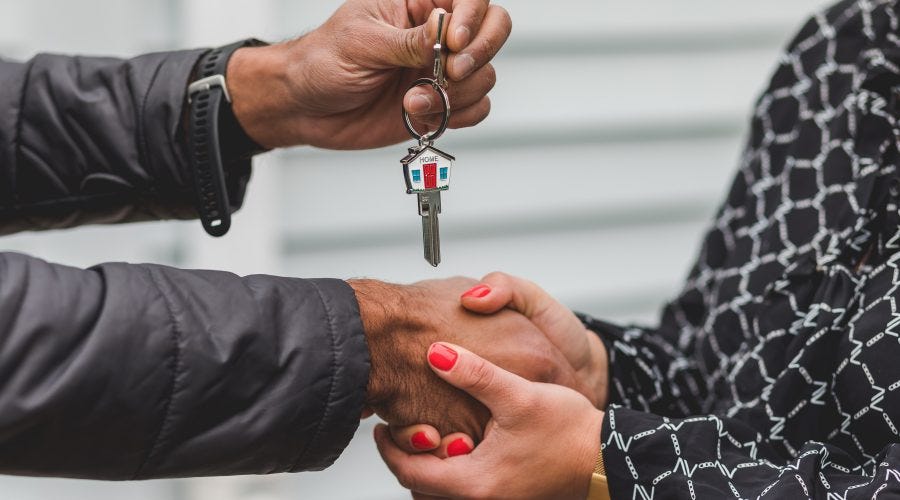
Investing in property may be rewarding, but it may drain your entire savings account when not done right. Therefore, you must understand and pay close attention to the "technical" side of property investing. You need to take a moment to fully understand everything - from the minor details up to the biggest ones to have a high chance of success. Knowing these patterns will help you understand the market well. As every seasoned property investor should know, investing in property is all about the right timing!
One technical aspect that you must know as a property investor is the gentrification process and how it affects the value of the properties in the Australian market.
What is Gentrification?
Simply put, gentrification is the change in fortune of a particular area. It includes the demographic changes in the people that reside there. These changes are direct results of middle and upper-class individuals moving into a specific area and investing their time, money, and resources to bring about changes in a particular area.
As this particular area continuously changes in terms of demography, amenities, infrastructures, and opportunities for employment, the value of the property tends to rise as a specific area loses its stigma and more people with higher income move in and causing the value of these properties to increase.
There are six stages of gentrification, and these are expanded over approximately 15 years. Again, these changes are not caused by a deliberate planning policy but have resulted from a set of demographic changes.
Many suburbs that outperform the ordinary and average ones are those that undergo the gentrification process. One way to identify whether an area is undergoing gentrification is by looking closely into the suburbs where wages are growing. It increases people's ability to afford properties valued at a higher price.
Secure your dream home or ideal investment property with Australia’s #1 online property investment platform
The Six Stages
Gentrification can be divided into six stages. Make sure to understand each one so that you can quickly identify which suburb will undergo this critical process:
Stage One: Discussions
Every change, whether big or small, starts with a person. It may involve several people gathering to discuss any possible change needed in a specific location. What you must do is participate in council or chamber of commerce meetings when they happen so you can be updated and have a head-up even before some planned changes take place. Knowing what changes are about to take place will help you buy in at the soonest possible time, especially if the underlying factors seem to be in your favour.
Stage Two: Planning
This stage covers the actual planning. Some developers, the local community, and even government entities get involved in planning the changes. Plans are finally written and drawn up, and the objections and different opinions, and any possible changes, are considered. If you can, get involved in the planning process to have the upper hand as you know what things and developments are bound to happen. If you cannot get involved directly in the planning stage, make sure to stay updated and get your information from a reliable source.
Stage Three: New Innovations
In this stage, deliberation on possible innovations typically happens. It can include the development of community infrastructures like hospitals, residential communities, railroad projects, schools, shops, etc. These significant developments have a considerable impact on the area's demography in terms of how they can change the lifestyle of the people and potentially increase employment opportunities.
Stage Four: Intensive Development
As a byproduct of innovative or pioneering development, there might be specific areas that will undergo more intensive developments. For example, as a new hospital is developed, there might be an addition of a doctor's room, laboratory, or any scientific infrastructure that is considered an addition to the newly established hospital. The establishment of these zones can help bring in more skilled workers that earn more to work in the area. It would, in turn, contribute significantly to the gentrification of the area.
Find and Compare Buyer agents to help you buy a home based on your needs, lifestyle and budget.
Stage Five: Population Movement
You will notice at this stage that population movement or a socio-economic change begins. The lower-level households raise their status into the middle level as they earn more. The middle level moves up to the upper level. When this shift in economic class happens, earning a higher income than average for households would become the norm. You will then see that some property values start to increase. Some of the things you pay attention to include:
Decrease in the population of children under 19 compared to the state's average number.
Decrease in the population of older people compared to the state's average number.
Increase in the population of affluent people per household to the state's average number.
Increase in the population of couples without children compared to the state's average number.
Increase in the population of people with tertiary education.
Increase in the population of professionals living in the area.
Once higher-income earners become part of the economic landscape, the value of the properties starts to grow as well.
Stage Six: Gentrification Takes Off
This stage is where the gentrification process of the area takes off. This stage is also known as the Turbo Gentrification Phase. This stage is where the number of wealthy people moving into the suburbs increase. As these people spend plenty of their money and resources in their respective communities, the gentrification persists, and the process goes viral.
So, if you want properties that will indeed outperform the average ones, the inner suburbs are the best place for you to invest in.
Final note
If you are serious about spending and investing your money into properties, you must be cautious. Use your time to study human nature in terms of its impact on the market. If you can identify the next "hotspot" early on by looking for signs of gentrification before it begins, then you will have an advantage. You will be able to get the best returns once that property starts taking off.
This article was originally published on the company blog. You can read it here.