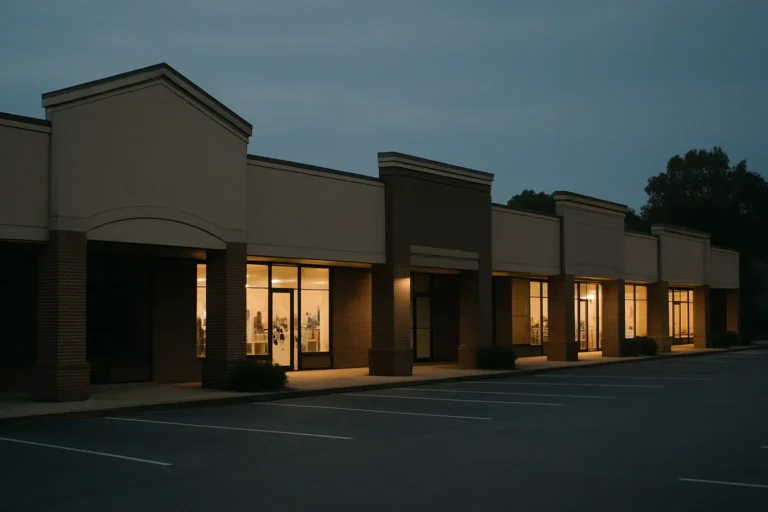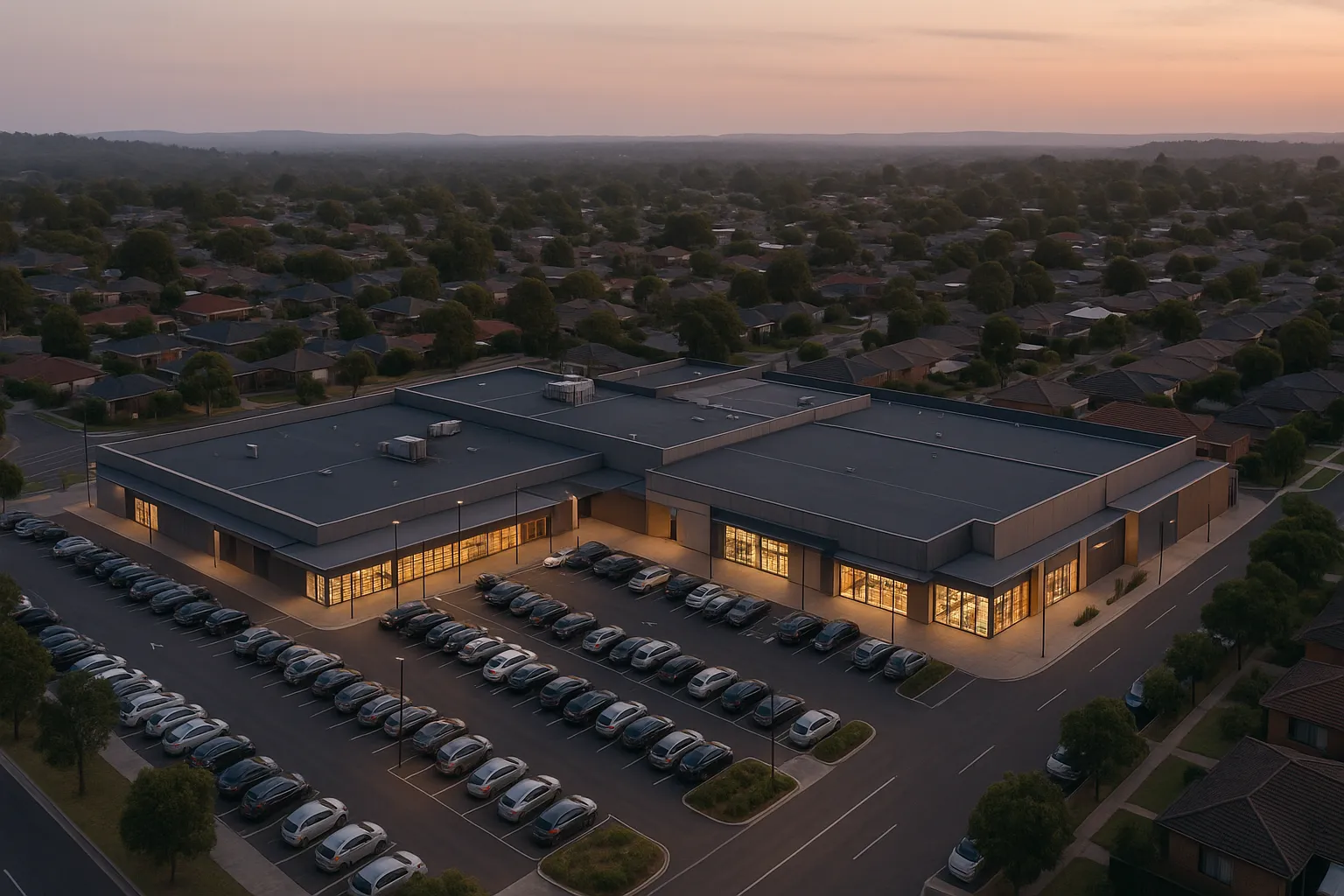
A billion-dollar portfolio of neighbourhood shopping centres is about to find out what retail property is actually worth right now. The Jen family’s Brisbane-based collection is going to market at a time when the gap between what vendors expect and what buyers will pay has been widening for months.
The composition matters here. The portfolio mixes experiential retail with everyday convenience anchors. Market City brings tourism and entertainment foot traffic. The neighbourhood centres bank on pharmacy, supermarket, medical tenants that aren’t easily replicated online. That split is deliberate, it hedges against e-commerce risk, but it also fragments the buyer pool.
Who can write the cheque
Domestic superannuation funds have been the traditional home for assets this size. They want long-term income, they can handle illiquidity, and they don’t need to flip for a gain. But their appetite for retail cooled two years ago when vacancy started climbing in secondary malls and experiential spend proved more cyclical than forecast.
Offshore capital remains selective. North American pension funds and sovereign wealth vehicles will look at Australian retail if the yield clears their hurdle rate plus a country-risk margin. Right now that means low-to-mid 7% on stabilised income, possibly higher if tenancy duration or covenant strength is mixed.
Private syndicates and family offices represent the third tier. They can move faster than institutional buyers, they price risk differently, and they’re more willing to take a view on re-tenanting or repositioning. The trade-off is leverage, they need bank debt at terms that pencil, and serviceability has tightened since rates moved.
The yield equation
Vendor expectations typically anchor to the last comparable transaction, adjusted for portfolio quality. The problem is that the last big retail portfolio trade happened before the current rate cycle. Cap rates have moved, but asking prices haven’t always kept pace.
Buyers will model this against two scenarios. Base case assumes current occupancy holds, rent reviews track CPI, and refinancing happens at today’s cost of debt. That might clear at 6.5-7% on a blended basis if the convenience centres are fully leased and Market City’s experiential component is treated as upside rather than core income.
Downside case assumes one or two anchor tenants don’t renew, void periods stretch to nine months, and leasing incentives double to backfill space. That pushes the required yield closer to 8%, which implies a material price drop from any figure anchored to pre-2023 comparables.
What’s driving pricing tension
Retail’s risk premium has widened because the default assumptions changed. Five years ago, a neighbourhood centre with a Woolworths or Coles anchor was considered inflation-linked income with minimal voids. Now buyers want evidence that the centre isn’t over-retailed for its catchment, that the anchor’s lease actually has rent review mechanisms that work, and that the specialty tenants can sustain turnover rent hurdles.
The experiential component adds a different risk layer. Market City’s tourism and entertainment income looked attractive during the post-lockdown surge, but international visitor numbers have plateaued and discretionary spending per visit is softening. Buyers will haircut that income stream or exclude it from stabilised yield calculations entirely.
The catch
- Scarcity value might support pricing even if fundamentals don’t, large retail portfolios rarely hit the market
- But scarcity only matters if multiple bidders show up; one buyer means price discovery defaults to their required return
- The portfolio’s size ($1b+) narrows the field to institutional scale, which reduces competitive tension
- Offshore buyers face currency risk on both the asset and the income stream, widening their required spread
- Debt serviceability at current rates means buyers need higher equity contributions than three years ago, limiting how much leverage can bridge a pricing gap
Where this clears
If the portfolio trades as a single lot to a super fund at mid-6% yield, that signals domestic institutions still see neighbourhood retail as defensive income. If it breaks into smaller parcels for private buyers at 7%+, that tells you the market is pricing retail risk closer to secondary office than to industrial logistics.
The timeline matters too. A sale that closes within six months suggests pricing met the market. A campaign that drags past nine months, or results in a withdrawn listing, confirms the bid-ask spread is wider than the advisers forecast.
Several dynamics that have pressured settlements elsewhere in the market could surface here as well. Property settlement failures have climbed as buyers walk away betting on further price drops, and while that’s been concentrated in residential presales, the same logic applies any time a buyer locks in a price expecting better opportunities ahead.
Next steps
If you’re tracking commercial property as a yield comparison to residential, this sale will set a marker for how much more return buyers demand from retail versus other sectors. For anyone considering commercial exposure through a syndicate or listed vehicle, watch what clearing yield emerges here, it’s a real-time test of whether retail’s risk premium has finished widening or still has room to move.
Subscribe to the newsletter for updates as this sale progresses and the pricing gap becomes clearer.
General info, not financial advice.