Melbourne’s median dwelling value sits at $797,354 in July 2026, down 1.6 per cent from where it traded five years earlier. That’s rare for an Australian capital city over a half-decade window, and it’s not just one pressure point driving it.
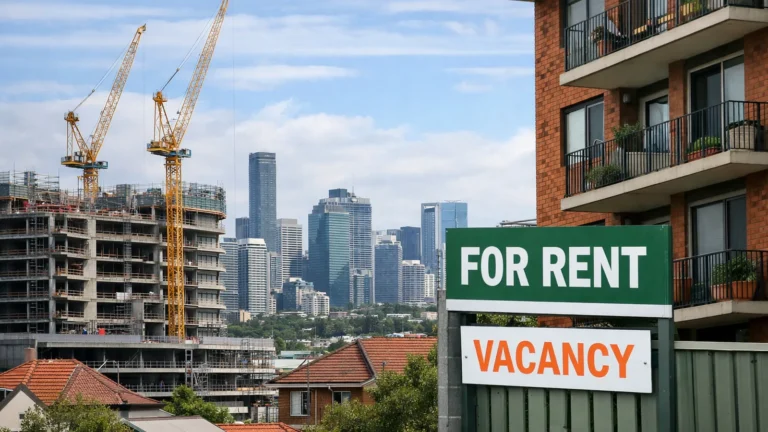
Three interest rate rises since the start of 2026 have compounded damage from earlier hikes. State land tax increases for investors arrived in 2021 and 2022. Tenancy regulation tightened. Economic growth in Victoria has lagged other states. And Melbourne built more houses than any other capital between 2020 and 2025, with roughly one-third of all national construction landing in the state.
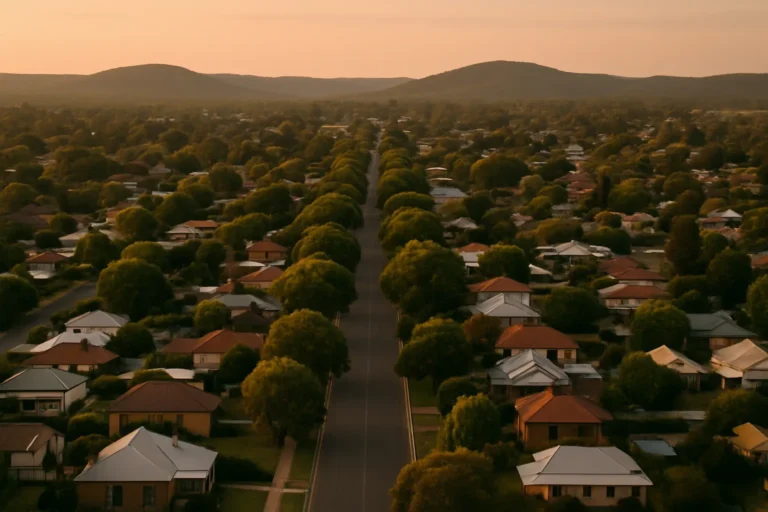
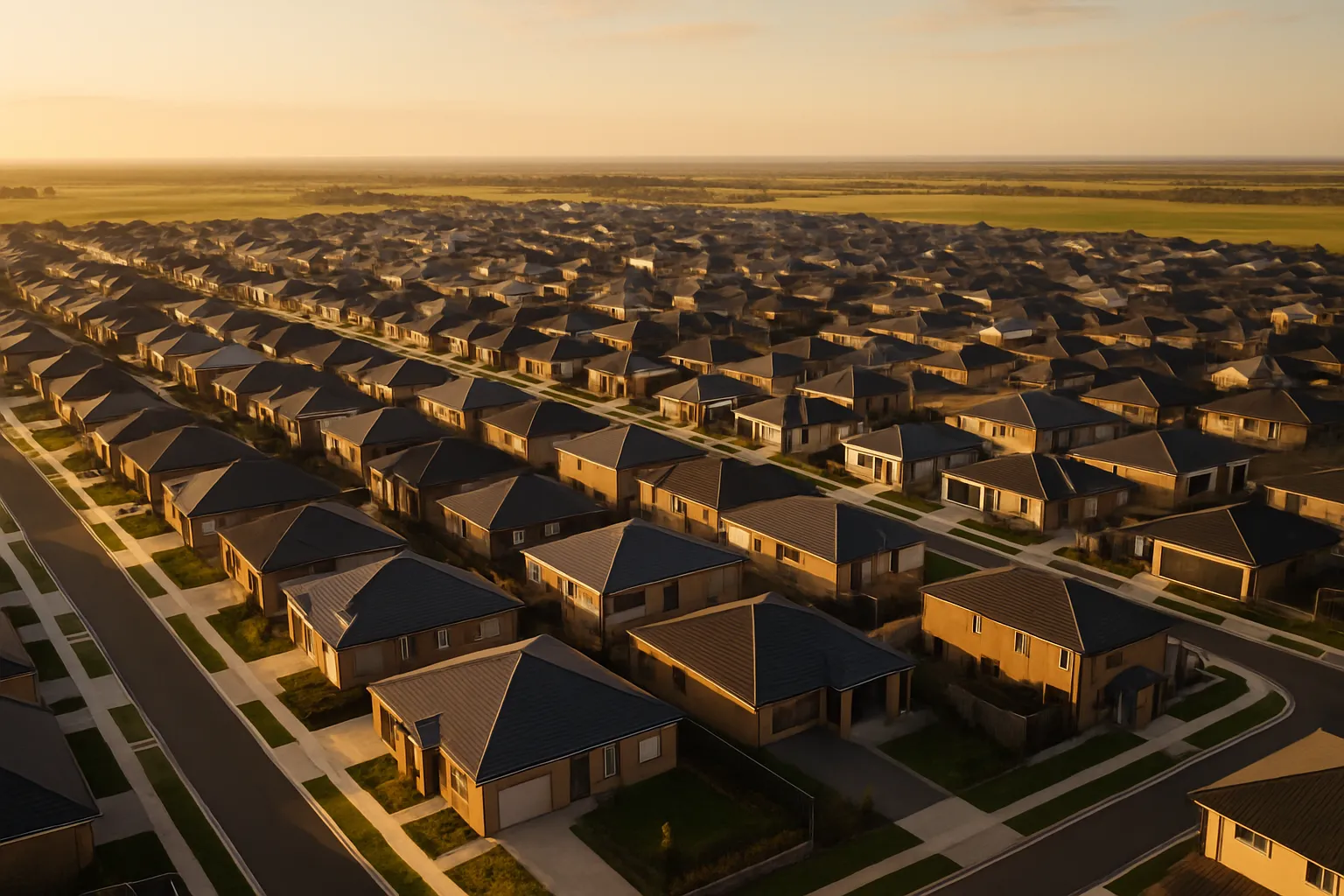
That construction wave is the detail most commentary skips. Of the dwellings completed in Victoria between early 2020 and late 2025, 62 per cent were detached houses, largely on greenfield sites in outer suburbs. Those new homes set a price ceiling: when a buyer can get a new house on affordable land at the city fringe, older stock closer in has to compete.
Why prices peaked in March 2022 then reversed
Melbourne’s median hit an all-time high of $843,355 in March 2022, the tail end of pandemic-era demand. By then, lockdowns had already pushed some buyers and renters toward regional markets. When the Reserve Bank started lifting the cash rate in May 2022, serviceability squeezed hardest in cities where prices had climbed fastest during COVID.
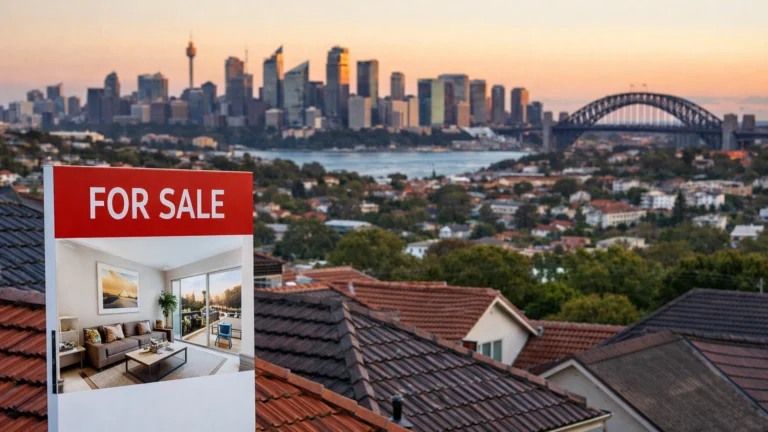
Sydney faced the same headwind, but Melbourne’s supply response was larger. Between June 2020 and June 2025, Melbourne approved 245,000 dwellings against population growth of 567,000 people. At 2.6 people per dwelling, that supply could house roughly 637,000 people, more than the actual population increase. Sydney approved 183,000 dwellings over the same period, against population growth of 455,000, leaving less slack.
Geography matters here. Sydney’s harbour, national parks and ridgelines limit how far new suburbs can stretch. Melbourne’s flat western and northern corridors let developers keep releasing land, which keeps construction volumes high and price growth muted.
The infrastructure and policy trade-offs
Greenfield construction solves one problem and creates another. Outer suburbs deliver affordable entry points, but roads, rail, schools and health services take years to catch up. Buyers in these estates often face long commutes and delayed amenity, which caps how much those properties appreciate over time.
The state government’s activity centre programs aim to shift some supply into medium-density pockets closer to jobs and transport. That would ease infrastructure strain and meet demand from downsizers, singles and couples who want smaller homes in established areas. But those programs need planning certainty and consistent zoning, which Victoria has struggled to deliver at scale.
Meanwhile, investor appetite has cooled. State land tax changes raised holding costs for multi-property owners, and tenancy protections added compliance steps. Those shifts happened while Victoria’s economy underperformed other states, dampening the speculative momentum that drove earlier cycles.
The catch
- Melbourne’s median dwelling value: $797,354 (July 2026), down 1.6% over five years
- Peak value: $843,355 (March 2022)
- Dwellings approved June 2020–June 2025: 245,000 (Melbourne) vs 183,000 (Sydney)
- Population growth same period: 567,000 (Melbourne) vs 455,000 (Sydney)
- Victorian share of national construction 2020–2025: one-third
What could shift the trajectory
Three scenarios matter over the next twelve months. Base case: interest rates hold or edge higher, unemployment drifts up, and Melbourne prices stay flat to slightly down as supply continues to outpace demand in outer suburbs.
Upside: the Reserve Bank cuts rates earlier than expected, migration rebounds, and medium-density development accelerates in middle-ring suburbs, soaking up pent-up demand and stabilising values. Downside: another rate hike, higher unemployment, and investor exits accelerate, pushing the median below $780,000.
The greenfield model that kept Melbourne affordable has limits. Land releases slow when infrastructure can’t keep pace, and outer-suburb buyers eventually hit a distance ceiling. If medium-density supply doesn’t fill the gap, the next up-cycle could be sharper than the last, because the alternative, further sprawl, becomes less viable.
Practical steps if you’re buying, selling or holding in Melbourne
If you’re buying: outer suburbs offer affordability now, but check the infrastructure timeline before you commit. Schools, train lines and hospitals matter more than price per square metre if you’re holding for a decade. Established middle-ring suburbs with rezoning potential or upcoming transport projects may offer better capital growth, even at a higher entry price.
If you’re selling: accept that Melbourne’s market is softer than Brisbane, Adelaide or Perth. Price to the current market, not where values sat in 2022. If your property is in an outer estate competing with new builds, highlight what new stock doesn’t have: established gardens, proximity to schools already open, or a train station within walking distance.
If you’re holding: review your cashflow buffer. First home buyers are already raiding super to cover deposit gaps, and rising unemployment will test serviceability for leveraged investors. If your property is negatively geared and you’re relying on capital growth to break even, that bet looks riskier in Melbourne than it did two years ago.
What to watch next
State land tax settings and tenancy regulation. Any further increases in holding costs or compliance will push more investors to exit, adding stock to an already soft market. Migration flows matter too: if Victoria’s population growth slows further, the supply overhang becomes harder to absorb.
Construction approvals and completions in the next six months will show whether the greenfield pipeline is slowing. If approvals drop but completions stay high, that’s a lagging supply wave still working through the system. If both drop, the market may have already priced in the current headwinds.
Interest rate moves remain the wildcard. Melbourne and Sydney are more rate-sensitive than other capitals because they carried higher debt levels into this cycle. Another hike hits serviceability harder here than in Perth or Adelaide, where price growth is still catching up from pre-COVID levels.
Start here: if you’re making a Melbourne property decision in the next six months, model it at current interest rates plus 50 basis points, and assume flat to negative capital growth over the next two years. If the numbers still work, you have a margin of safety. If they don’t, wait.
Subscribe to the newsletter for the weekly Melbourne market update.
General info, not financial advice.