Housing Australia just opened a dedicated funding stream under the Housing Australia Future Fund targeting low-density social and affordable homes that are close to construction-ready. The structure is fixed: five packages of 200 dwellings each, split evenly between social and affordable, with a hard deadline of 31 December 2027. Total pipeline: up to 1,000 homes.
The immediate question is whether this represents new supply or administrative housekeeping for projects that were proceeding regardless.
What qualifies and what doesn’t
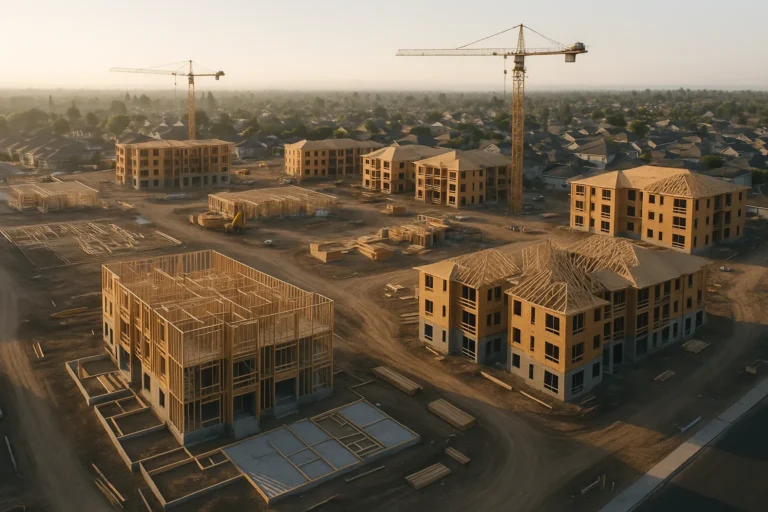
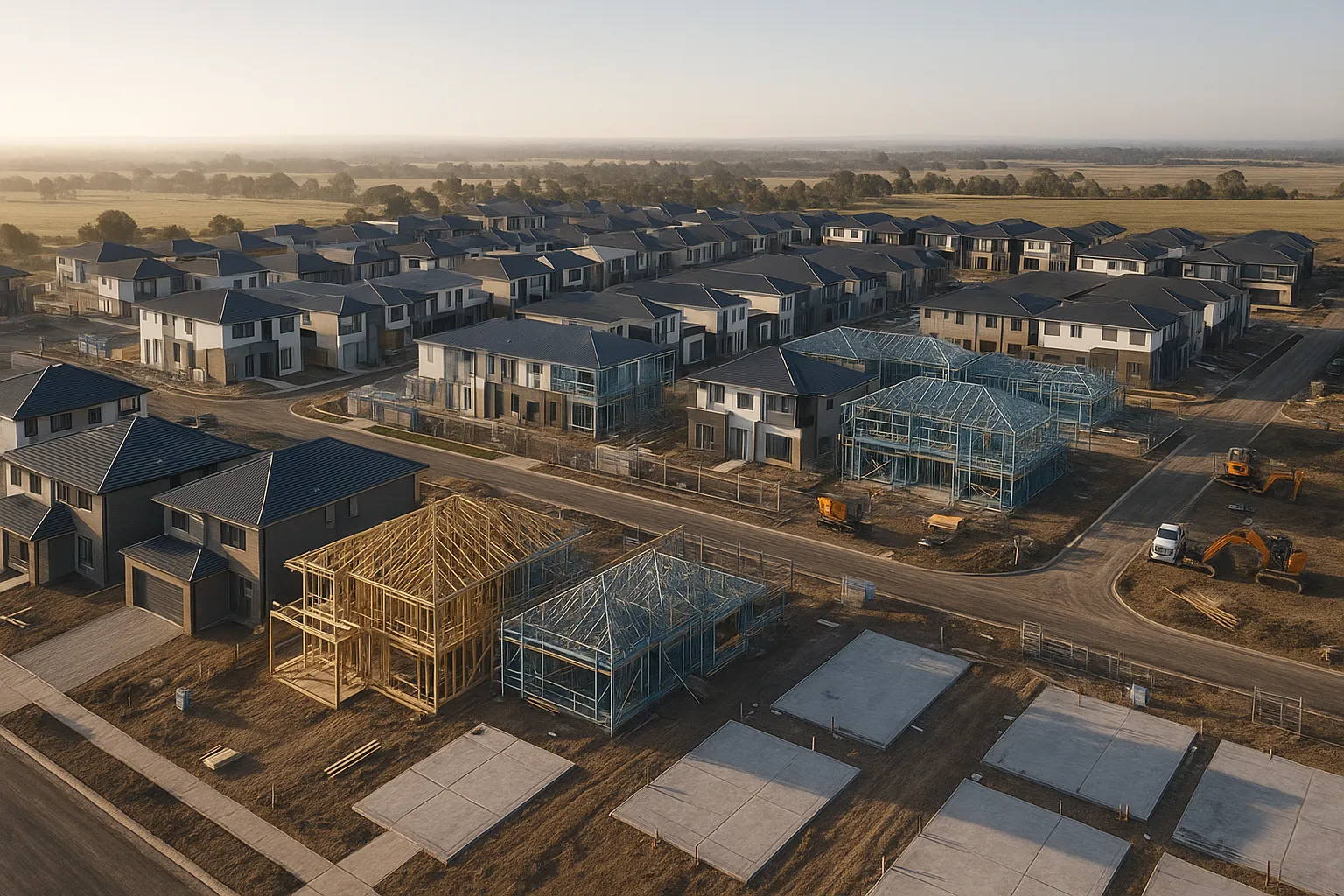
The stream is limited to Class 1 buildings, detached houses, townhouses, duplexes, not apartment towers. Eligibility is open to community housing providers, state and territory governments, local councils, and housing enablers. The key filter is readiness: projects must be at or near shovel-ready status, meaning approvals largely complete, site secured, finance structure substantially resolved.
That narrows the field considerably. Projects still navigating planning or waiting on land acquisition won’t make the cut. The fund is effectively selecting for execution risk already retired, not underwriting early-stage development.
The structure also locks in a 50/50 social-affordable split within each 200-dwelling package. That ratio may not align with every provider’s existing pipeline or local demand profile, which could either force portfolio reshaping or exclude otherwise viable projects.
Why low-density now
The focus on Class 1 dwellings addresses a specific gap in the original HAFF allocation. Earlier rounds skewed toward larger apartment projects, which suited metro infill sites and high-density providers but left smaller builders and regional projects underserved.
Low-density social housing also tends to perform better in outer suburbs and regional centres where land is cheaper and community acceptance higher. By prioritising shovel-ready Class 1 stock, the fund is betting on faster delivery timelines and lower per-unit construction complexity compared to multi-storey builds.
That said, the 31 December 2027 deadline is tight. Construction timelines for volume housing have stretched over the past two years due to labour shortages, materials lead times, and weather delays. Projects that look shovel-ready today still face 18–24 month build programs, leaving minimal buffer for approvals slippage or trade bottlenecks.
Trade-offs and timing pressure
The fixed package structure creates a coordination challenge. Providers must bundle 200 units to qualify, which may require aggregating multiple smaller sites or partnering across jurisdictions. That adds administrative load and potential misalignment between state housing strategies and Commonwealth funding windows.
The 2027 deadline also raises a sequencing question: does the fund pull forward projects that would have started in 2026–2027 anyway, or does it unlock marginal projects that lacked a final funding piece? If it’s the former, the net supply impact is minimal, just faster cash flow for providers. If it’s the latter, 1,000 units could represent genuine additionality.
One industry group representing volume builders noted the previous HAFF structure had favoured larger-scale developers, leaving smaller operators and tradies with limited access. The new stream appears designed to correct that, though the shovel-ready filter still advantages organisations with existing land banks and established approval pipelines over smaller entrants.
Key numbers
- Up to 1,000 homes targeted, structured as five packages of 200 dwellings each
- 50/50 split: 100 social homes and 100 affordable homes per package
- Completion deadline: 31 December 2027, roughly 33 months from now
- Eligible building types: Class 1 only, detached houses, townhouses, duplexes
- Typical construction timeline for low-density housing: 18–24 months, leaving 9–15 months for approvals and site works
What could stall delivery
The tight timeline means any project delay compounds quickly. Planning approvals that drag past mid-2025 leave insufficient runway for construction. Trade availability remains a constraint in most markets, particularly for electrical and plumbing packages. Materials supply has stabilised compared to 2022–2023 but remains vulnerable to offshore shipping disruptions or sudden demand spikes.
State and territory housing strategies may not align perfectly with Commonwealth funding windows. If a state’s priority projects are concentrated in later years, this stream may sit undersubscribed or force premature site selections to meet the deadline.
The 50/50 social-affordable requirement also creates a viability tension. Affordable housing typically requires a smaller subsidy per unit than social housing, but cross-subsidising within a fixed package may distort project economics depending on local rent settings and operating cost assumptions.
Who this helps and who it misses
Providers with shovel-ready pipelines and existing relationships with volume builders gain the most. Smaller community housing organisations without land banks or in-house development capability face a steeper path to participation, likely requiring partnerships or aggregation vehicles.
Regional and outer-suburban markets benefit more than inner-city locations, where land costs and planning complexity favour higher-density builds. The Class 1 restriction effectively excludes metro infill sites unless they’re large enough for townhouse subdivisions.
Broader market supply gets an indirect lift if subsidy funding underwrites projects that then deliver private market units alongside social and affordable stock. That cross-subsidy model works best on larger master-planned estates, less so on standalone social housing sites.
The timeline and next steps
Applications are open now. Providers need to demonstrate shovel-ready status, confirm the 50/50 split, and show they can deliver by end-2027. Housing Australia hasn’t specified whether funding will be allocated as a single tranche or staged against milestones, which affects cashflow planning for applicants.
The fund is part of the Commonwealth’s obligations under the National Housing Accord, arriving at a time when new dwelling sales are softening in parts of the country. Whether 1,000 units moves the national supply needle depends on how much of this pipeline was already baked in versus genuinely marginal.
For investors and developers tracking supply dynamics, watch which states and which housing types get allocated the five packages. That will signal where delivery risk is lowest and where government priorities are concentrating shovel-ready stock.
If you’re working in housing policy, development, or community housing provision, the Queensland social and affordable housing partnerships article covers the four conditions that determine whether these partnerships actually deliver.
Subscribe to the newsletter for weekly updates on housing policy, supply pipelines, and market signals.
General info, not financial advice.