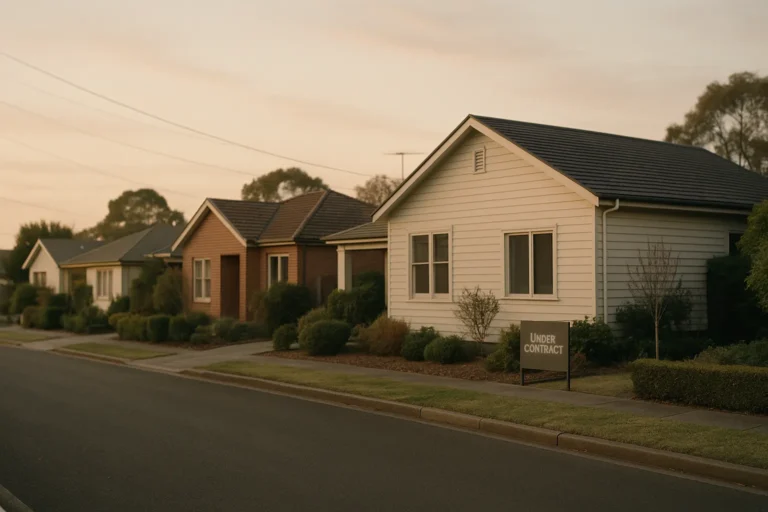
The latest Housing Industry Association data shows national construction costs climbed 2.1 per cent in the March quarter, more than the previous three quarters combined and the steepest rise since September 2022. The acceleration follows months of builders flagging price increases to clients, often mid-project, as geopolitical disruption compounds an already tight supply environment.
Plastic pipes and fittings led the national surge at 12.4 per cent, electrical cable and conduit rose 11.2 per cent, and copper pipes and fittings jumped 25.1 per cent over the financial year. The Strait of Hormuz shipping chokepoint and higher petroleum input costs drove much of the increase, particularly for plastics and delivery-dependent materials like glass.
How the spike reached building sites
The Iran conflict tightened shipping routes at a time when Australia’s construction sector was already constrained by labour shortages and competing infrastructure demand. Petroleum-based products, PVC, adhesives, coatings, cost more to produce and transport, and those increases pass directly to the homebuyer or renovator. Builders report quoting jobs with built-in buffers for mid-construction price revisions, a practice that became standard during the 2021–22 supply crunch but had started to ease until this year.
Electrical cable and conduit posted the steepest rises in Sydney, Adelaide and Perth. Plaster products were the fastest-moving cost item in Hobart and Brisbane. Melbourne diverged: aluminium windows and doors drove the city’s material cost increases, reflecting different supply chains and project mixes.
The catch
- Labour costs rose 6.2% over the financial year, separate from materials
- Builders are embedding price-revision clauses into contracts again
- Infrastructure projects, including the 2032 Olympics pipeline, compete for the same trades and stock
- The Reserve Bank may hold rates longer if offshore instability keeps import prices elevated
The timing problem
The construction recovery was already delayed. The HIA had forecast a rebound by 2027, but the new federal budget changes and this cost acceleration have softened those projections. Underlying housing demand remains strong, population growth, low vacancy, years of undersupply, but higher build costs and the risk of prolonged elevated interest rates create a longer pathway to equilibrium.
Large infrastructure programs absorb materials and skilled labour. As Olympic-related work in Queensland and New South Wales ramps up, competition for plasterers, electricians and concreters intensifies. That pulls workers and stock away from residential projects, which tend to pay lower margins than government contracts. The result: longer lead times, higher quotes, more projects deferred.
What this means for different players
If you’re mid-build, expect variation clauses to be exercised. Builders quoting fixed-price contracts are either pricing in 10–15 per cent contingency or walking away from marginal jobs. Renovators face similar pressure: the materials that spiked hardest, copper, PVC, cable, feature heavily in kitchen, bathroom and electrical upgrades.
Buyers comparing new-build house-and-land packages against established stock need to factor in these cost movements. A six-month construction timeline now carries measurable price risk that didn’t exist twelve months ago. For developers, the land-to-margin equation tightens: higher build costs eat into feasibility unless sale prices rise, and sale prices are constrained by serviceability at current rates.
Investors waiting for construction activity to lift supply and ease rental pressure should assume a longer wait. Fewer projects pencil in when materials, labour and holding costs all move against feasibility. The RBA’s Inflation Trap Could Hit Property Harder Next outlines how offshore price shocks feed into the central bank’s inflation calculus, potentially delaying rate cuts and keeping finance costs elevated for longer.
The variables that matter over the next year
Shipping route stability: any escalation that closes or further disrupts the Strait of Hormuz adds another leg to input costs. De-escalation would ease pressure, but the lag between crude prices falling and finished materials landing on site is three to six months.
RBA response: if import-driven inflation proves persistent, the next move is more likely a hold than a cut. Why the Iran war could wreck Australia’s soft landing examines the transmission channels from offshore conflict to domestic monetary policy.
Infrastructure pipeline: the volume and timing of major projects determines how much labour and material capacity remains for residential work. State budget updates over the next two quarters will clarify whether infrastructure spending accelerates or moderates.
Scenarios
Base case: construction costs plateau at this elevated level through 2025, with materials easing slightly as shipping normalises but labour costs continuing to rise. The 2027 construction rebound is delayed to late 2026 or early 2027, depending on rate settings.
Upside: geopolitical tensions ease quickly, shipping costs fall, and the RBA cuts rates by mid-2025. Construction activity lifts sooner, though labour constraints remain a binding factor.
Downside: conflict escalates, oil prices spike further, RBA holds or raises rates, and construction activity contracts. The supply shortfall worsens, rental pressure intensifies, and the rebound is pushed beyond 2027.
Practical take
If you’re planning a build or major renovation, lock in quotes now and understand which materials are subject to variation clauses. Budget for a 10 per cent buffer above the quoted price. If you’re buying off-the-plan, confirm whether the contract price is fixed or variable, and check the builder’s track record on delivering to schedule, delays compound cost risk.
For those waiting on supply to catch up and ease price pressure: the path is slower than forecast six months ago. The next HIA outlook report, due mid-year, will show whether this quarter’s spike was a one-off adjustment or the start of a sustained cost environment. Track copper and PVC price indices as leading indicators, if those stabilise, materials costs should follow within a quarter.
Subscribe to Australian Property Review for weekly analysis on construction, supply and financing conditions as they shift.
General info, not financial advice.