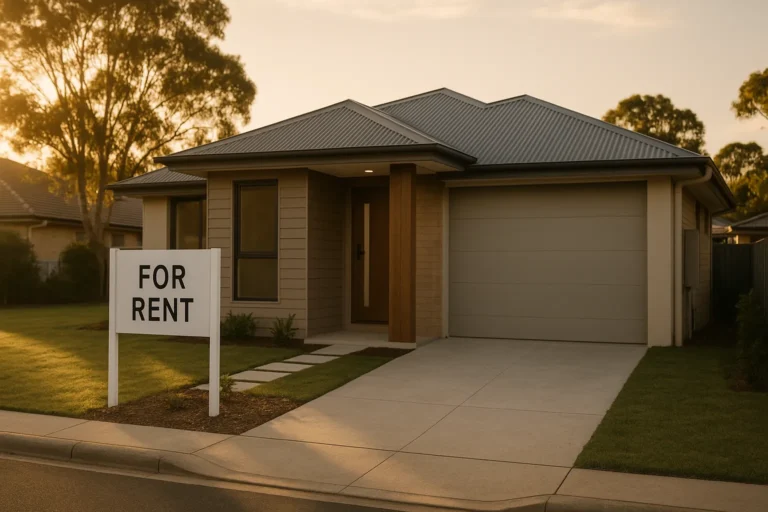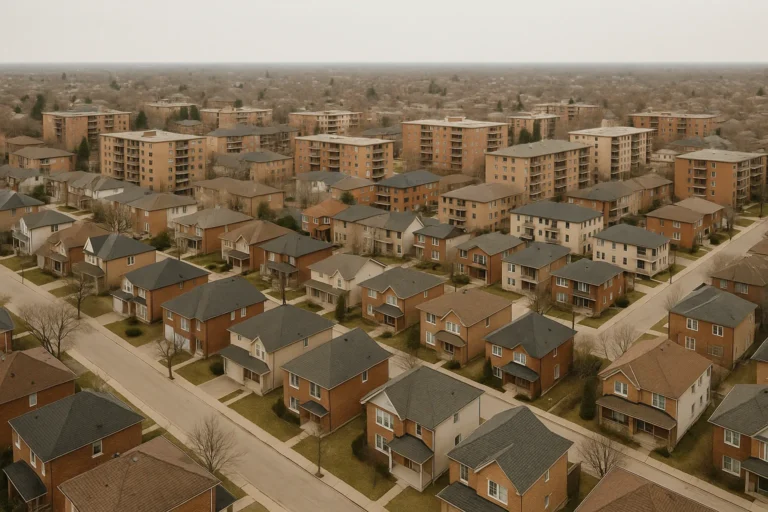
Perth house prices are easing, yet rents have climbed 67 per cent in five years. That gap is the story. Housing advocates are calling for urgent intervention, and the numbers explain why: a softer sale market has not delivered more homes for tenants.
The Perth rental crisis is a supply problem wearing a pricing costume. Falling prices only help renters if they change who owns the stock or how much new stock gets built. So far, neither has happened at scale.
Why cheaper homes do not become rentals
When prices fall, many people assume landlords will buy more and rental supply will recover. That link is weak right now. An investor weighs the purchase price against the rent they can collect, the interest on the loan, and the tax and holding costs on top. Lower prices help the first number. They do little for the rest.
If borrowing costs stay high, a cheaper property can still leave an investor cash-flow negative. That is not an attractive trade when rents are already high and political pressure on landlords is rising.
Investor exits are shrinking the pool
The other side of the ledger is who is leaving. Investors who sell a rental to an owner-occupier remove a tenancy from the market. The home is still standing, but it is no longer available to rent. This is the quiet mechanism behind many rental squeezes: the dwelling count stays flat while the rental stock falls.
The source reporting is limited, so treat the scale of Perth investor selling as unconfirmed here. The direction, though, fits what we know about how tight rental markets behave when landlords reassess returns, regulation and rates together.
The construction bottleneck
New supply is the real fix, and it is the hardest to deliver. Building costs, labour shortages and approval timelines all slow the pipeline. Higher interest rates also raise the cost of finance for developers, which can stop apartment and townhouse projects before they start.
A project that cannot get finance or cannot make the numbers work does not add a single rental. Falling house prices make some sites less viable, not more, because the end value drops while costs stay put.
Why this is the ‘unsustainable’ part
A 67 per cent rise in five years is not a normal cycle. It signals a market where demand has outrun supply for long enough that tenants are absorbing the whole adjustment through rent. That cannot continue indefinitely. Tenants run out of room in household budgets, and some respond by sharing, moving, or leaving the city.
Commentary on Perth’s housing market has split along predictable lines. One camp points to falling prices as proof the market is correcting. The other says that correction is irrelevant to renters, because the pressure point was always rental stock. The data on rents supports the second reading more than the first.
Policy levers that could actually move supply
The levers are well known, and none is quick:
- Speed up approvals so more projects reach construction sooner.
- Support build-to-rent and other institutional rental models that add stock rather than shift ownership.
- Review investor settings so that policy aimed at landlords does not push more of them to sell without new stock replacing them.
- Fund social and affordable housing to take pressure off the private market at the bottom end.
Each has trade-offs. Faster approvals can strain local infrastructure. Investor incentives can inflate prices. Public housing takes years and sustained budgets. There is no single switch.
What to watch
The signals that matter are vacancy rates, rental listings, building approvals and finance conditions for developers. If vacancy stays tight while approvals stay flat, falling house prices will keep missing the people who need relief most.
For investors, the lesson is that rising rents do not automatically mean strong returns once holding costs and regulatory risk are counted. For renters, the honest read is that relief depends on supply arriving, not on the sale market cooling. Start by tracking your local vacancy rate and approvals data, and plan around the supply picture rather than the headline price trend.
Key numbers
- Perth rents up 67 per cent over five years
- House prices easing, but rental supply not responding
- Pressure points: investor exits, finance costs, construction capacity
Want the weekly signal on rates, supply and policy? Subscribe to the newsletter.
For related context on how lower prices fit into the wider cycle, see our look at why a housing market correction isn’t bringing affordability and how refinancing rates are moving as lenders chase market share.
General info, not financial advice.