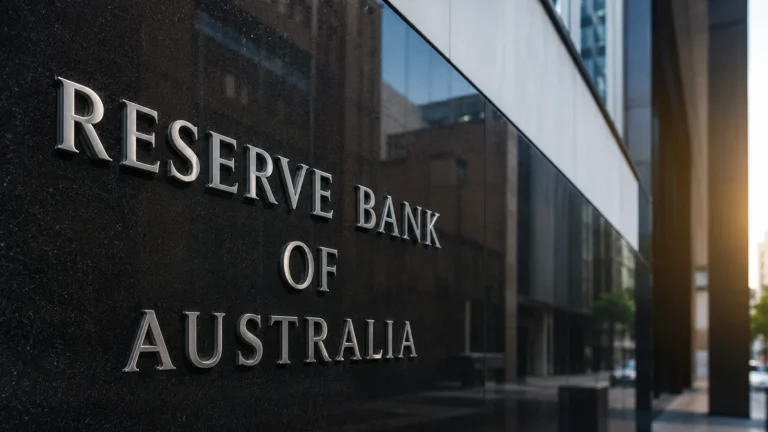
A fixed rate home loan is priced off where lenders think funding costs are heading, not where the cash rate sits today. That is why 289 fixed rates rose within days of the Reserve Bank’s 29 September decision, while most variable rates have not moved yet.
The cash rate is now 4.6%, its highest since late 2011. It is the fourth hike of 2026. Canstar’s comparison shows a $600,000 loan will cost $364 more a month once all four increases flow through, with the latest step adding about $91 of that.
Why fixed rates move first
Variable rates follow the cash rate, and lenders choose when to pass changes on. Fixed rates work differently. They are set against wholesale funding costs, including swap rates, which reflect where markets expect the cash rate to travel over the fixed term.
So a fast jump in fixed pricing is a forecast as much as a reaction. Seventeen lenders lifted fixed rates in the week that followed, adding about 0.24 percentage points on average. Lenders are telling you they expect funding to stay expensive.
Key numbers
- Cash rate: 4.6%, the highest since late 2011
- Extra monthly cost on a $600,000 loan after four 2026 hikes: $364
- Fixed rates raised since the decision: 289
- Typical owner-occupier P&I variable rate: 6.63%
The variable side is still catching up
Variable repricing has barely started. Seven lenders announced increases across 49 owner-occupier and investor rates, averaging 26 basis points, and most of those take effect over the next week or so. Most lenders have not responded at all yet.
The typical owner-occupier principal-and-interest variable rate is 6.63%. The cheapest on the market is 5.69%, and only two rates sit under 5.75%. Neither is expected to last.
If you are on a variable loan, the full hit is still coming. Assume the $364 figure is the base case, not the worst case.
The big question: one more hike or a peak?
The inputs are mixed. August headline inflation hit 4% and underlying inflation held at 3.6%. Unemployment, though, rose to 4.6%, a near five-year high. That is the sort of softening that argues for patience.
The major banks are split. Two see the peak as already reached. The other two expect another rise in November. September inflation data on 28 October is the next real test.
What this means for fix or float
Here is the catch. A fixed rate that has already repriced upward has priced in some of the bad news. Fixing now means paying for protection against further hikes, and if the peak is in, you lock in a rate that looks expensive in hindsight.
The case for fixing is certainty. If your budget cannot absorb another $90 to $100 a month on a $600,000 loan, locking in has real value. The case for staying variable is flexibility. If inflation cools and unemployment keeps rising, rates could ease and you keep the benefit.
A rule of thumb: fix the portion of the loan you cannot afford to see rise, and keep the rest flexible. A split loan is a legitimate answer, not a cop-out.
What to watch
- The 28 October inflation print
- Whether the lenders yet to reprice follow the same direction
- Any shift in fixed rates against variable rates. If fixed rates fall below variable, markets are betting on cuts
For a longer-term view on how loan structure changes lifetime cost, see 40-Year Home Loan: Lower Repayments, Higher Lifetime Cost.
If you want the weekly signal, subscribe to the Australian Property Review newsletter.
General info, not financial advice.