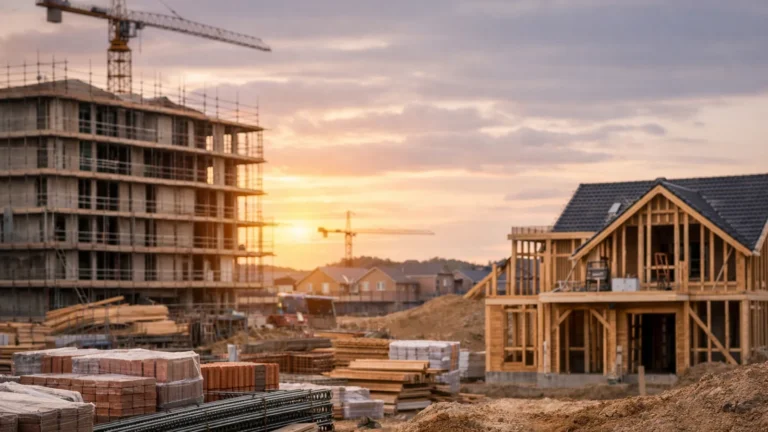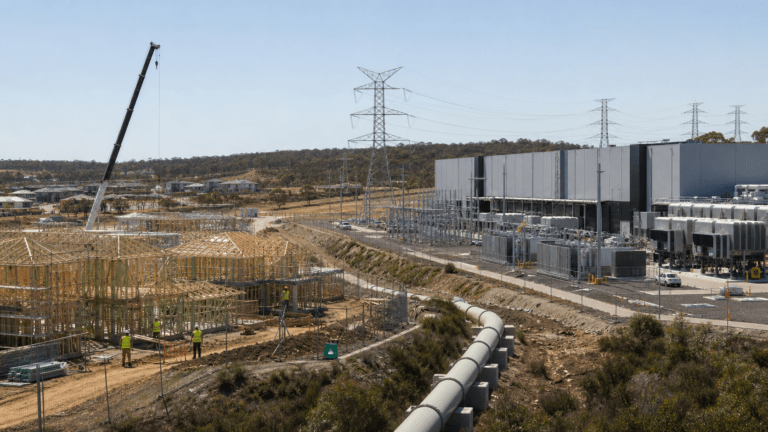
A developer has reportedly waited 12 years for approval of around 1,100 homes. That is longer than most home loans stay with the same lender, and longer than many political careers. It is a useful lens on a simple question: if approvals take this long, how realistic are the national supply targets?
The detail of this particular project matters less than the pattern. Housing approval timeframes are not just an administrative annoyance. They are a cost that sits inside every dwelling that eventually gets built, or never does.
Why a 12-year wait is a financial problem, not just a planning one
Land does not sit for free. A developer holding a site for more than a decade carries interest on the purchase, council rates, land tax, consultant fees and repeated redesigns when the rules change mid-process. Those costs do not vanish. They get priced into the final homes, or they push the project past the point where it stacks up.
Here is the catch. The longer approval takes, the more uncertain the end price becomes. A site bought and planned in one rate and construction-cost environment gets built in another. Developers respond by padding margins, which raises prices, or by walking away, which removes supply.
- Holding costs: interest, rates and taxes accumulate every year approval is pending
- Redesign risk: rule changes and objections can force costly resubmissions
- Financing risk: lenders and equity partners get nervous when timelines blow out
- Pricing risk: costs locked in at purchase may bear little relation to costs at build
Key numbers
- 12 years: the reported wait for approval
- 1,100: the homes in the approved project
- Every extra year adds holding costs that flow into final prices
What supply targets quietly assume
National housing targets assume that land becomes homes at a steady pace. A project like this suggests the pipeline has a bottleneck well before a shovel hits the ground. Our look at the housing accord shortfall showed Australia running well behind its target. Slow approvals are one reason the gap is hard to close.
Approval is also only the first hurdle. After it comes finance, tendering and construction. The second wave of construction insolvencies is a reminder that a approved project can still stall if builders or funding fall over. Faster approval helps, but it does not fix everything downstream.
What planning reform would need to change
Not every long approval is a failure. Some reflect genuine environmental, heritage or infrastructure concerns. The question is whether the process separates real constraints from avoidable delay. For supply targets to be realistic, reform would need to focus on a few practical levers.
- Statutory timeframes with teeth. Clear decision deadlines, with consequences when they are missed, give developers something to plan around.
- Fewer overlapping approvals. Where state, council and agency sign-offs run in sequence instead of together, years can disappear.
- Limits on repeat objections. A path for settled issues to stay settled stops projects restarting from scratch.
- Infrastructure certainty. Approvals tied to water, transport and schools funding are less likely to stall late.
None of this removes the need for scrutiny. It aims to make scrutiny faster and more predictable, which is what lenders and builders need to commit capital.
What could go wrong with a faster-approval push
Speeding approvals has trade-offs. Rushed decisions can create community backlash, poor design outcomes or infrastructure gaps that cost more later. There is also a risk that faster approvals simply deliver more paper approvals that never get built, if finance and construction capacity stay tight. Approvals are not completions.
There is also the data question. One headline project is an anecdote, not a trend. Readers should look for approval-to-completion rates and median assessment times by state before drawing big conclusions.
The practical read for investors and buyers
If you are weighing a new-build or off-the-plan purchase, ask how long the project spent in approval and whether the original budget still holds. Long approval histories can signal pricing pressure or redesign risk. If you are an investor watching supply, treat approval announcements as a leading indicator, not a guarantee of new stock. Check whether construction has actually started.
A useful rule of thumb: the further a project sits from a funded start date, the less weight it deserves in any supply forecast.
The wider point is that time is a cost. Until approval timeframes shrink, the supply targets will keep running ahead of what the system can deliver.
If you want the weekly signal on policy and supply, subscribe to the newsletter.
General info, not financial advice.