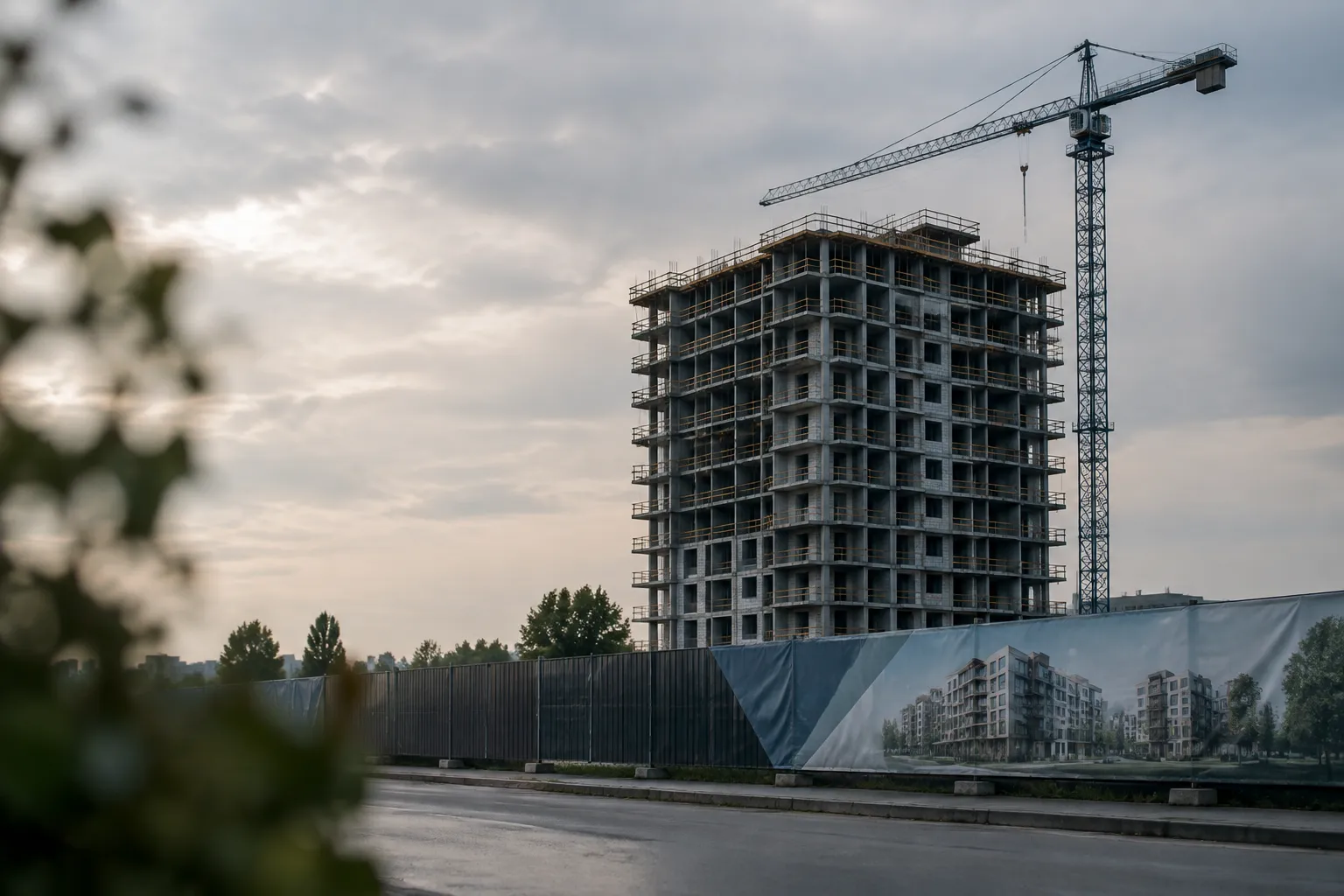
A policy can be designed to protect new housing and still leave new housing harder to sell. That is the tension in the latest reports out of the development sector. Developer sales have weakened, investor lending has softened, and Queensland’s real estate institute is questioning whether current investor tax settings are doing what governments intended.
The detail matters here. Investors are not a side show in the new-build market. They have historically been a meaningful share of off-the-plan buyers, and those pre-sales often decide whether a project gets finance and starts construction at all.
Negative gearing changes and the carve-out promise
The pitch behind any tightening of negative gearing is usually twofold. Existing investors keep what they have through grandfathering, and buyers of new dwellings keep access to the concessions through a carve-out. In theory, that steers capital towards adding homes rather than bidding for existing ones.
In plain English: the reform is meant to be neutral for supply, or even positive.
The problem is that policy design and investor behaviour are not the same thing. An investor weighing a $700,000 off-the-plan apartment is not only asking whether a concession technically applies. They are asking whether it will still apply when the building settles in two or three years, whether rules might shift again, and whether the numbers still stack up if they do.
Why certainty matters more than the rule itself
Off-the-plan buying is a long bet. A buyer signs a contract, pays a deposit, and waits through construction before the loan is drawn and the property is valued. A lot can move in that window: rates, valuations, rents, and the tax settings themselves.
That is the catch. A carve-out on paper does not remove uncertainty. If buyers read the political direction as tighter treatment of investors over time, some will step back even where the concession is available today. This is a confidence effect, and confidence effects are hard to model but show up quickly in pre-sales.
The reported fall in sales at a major developer in the September quarter 2026 fits that pattern, though one company’s quarter is not proof of a market-wide trend. Treat it as a signal worth watching, not a verdict. We covered the broader pressure in new home sales slump as Mirvac and Stockland flag supply risk.
The lending side of the squeeze
Tax settings are only one gate. The second is finance.
Pre-sales need to hit thresholds before lenders will fund construction. Valuers also need to support the contract price at settlement. If investor demand thins, projects can stall before a single slab is poured, even if the underlying demand for homes is strong among owner-occupiers.
Investor lending data has also been moving around. Earlier this year the trend pointed towards investors tilting towards new homes, which we looked at in investor lending for new homes: supply win or one-off shift?. Softer numbers now raise the question of whether that tilt was durable or a short-lived reallocation.
Key numbers
- Developer sales at one major group fell by close to a third in the September quarter 2026
- Investor lending has softened alongside weaker off-the-plan confidence
- Pre-sales commonly gate construction finance for apartment projects
Who actually gets squeezed
The most exposed group is the mum-and-dad investor buying a single new apartment. They typically lack the buffers of larger investors, rely heavily on borrowing, and are most sensitive to changes in after-tax cashflow.
A first-time buyer or downsizer may fill some of the gap, but they behave differently. They usually want completed stock, need to pass owner-occupier serviceability, and often cannot commit to a long settlement window. Replacing one buyer type with another is not a like-for-like swap.
Renters sit at the end of the chain. Fewer starts today mean fewer completions in two to four years, which can keep vacancy tight. For a closer look at tax mechanics, see our negative gearing, CGT and investor tax guide.
What could derail this reading
There are good reasons to be cautious about a gloomy call.
- One quarter of sales data is noisy. Launch timing, project mix and marketing cycles can swing results.
- Rates, construction costs and planning delays are also weighing on new-home sales, and tax settings may not be the main driver.
- Owner-occupiers and first-home buyers could take up slack if prices and incentives adjust.
So the honest view is probabilistic. Tax uncertainty is plausibly one contributor among several, and the supply objective is more fragile than the carve-out wording suggests.
Rule of thumb for investors
If you are considering a new-build purchase, stress-test the deal as if the tax treatment were less generous than today. Check that cashflow holds at a higher rate, a softer rent and a lower valuation at settlement. If the deal only works with the concession at full strength, that is a red flag.
Brokers and advisers should also confirm how a lender will treat the purchase at settlement, not just at contract.
Next step: Before signing any off-the-plan contract, run the numbers with and without current negative gearing benefits and see whether it still makes sense. Subscribe to the Australian Property Review newsletter for weekly analysis of policy and supply shifts.
General info, not financial advice.