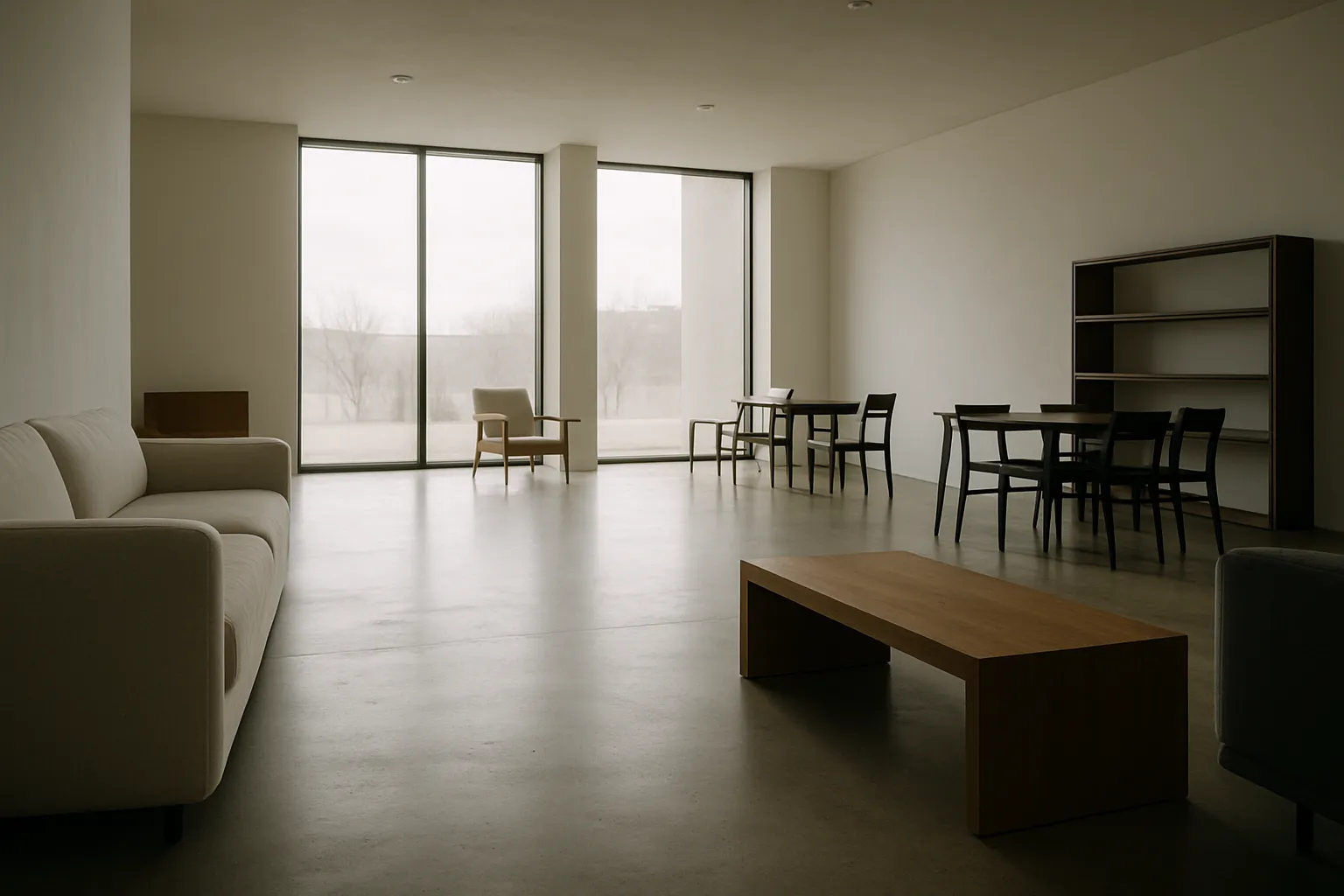
When property settlements dry up, so does the pipeline of people buying couches, fridges and bedroom sets. That chain reaction is playing out across retail earnings now, with furniture and appliance chains reporting sharp declines in foot traffic and sales volumes after the mid-year freeze in housing market activity.
One national furniture retailer saw robust store visits late last year, then watched them evaporate as interest rate pressure slowed transactions. Another major whitegoods chain delivered results that sent its share price down ten per cent in a single session, driven by clear evidence customers are delaying purchases or waiting for promotional events like Black Friday before spending.
The pattern is straightforward: when people stop moving house, they stop furnishing them. That secondary drag is now showing up in company accounts, and it matters for anyone tracking whether the economy can absorb higher rates without tipping into recession.
The mechanics of the furniture freeze
Household goods retailers typically see sales move in lockstep with property transaction volumes. When settlement numbers fall, so does demand for everything from living room furniture to washing machines.
That link broke late last year. Property sales started slowing in mid-2025 as the cumulative weight of rate rises hit serviceability, then policy changes in the May budget removed tax incentives for new investors, further cutting transaction volumes.
Furniture chains felt the impact within weeks. Foot traffic dropped sharply, and with it, sales of bedroom and living room items. The whitegoods segment followed the same path, with major retailers reporting customers are cutting discretionary spend and holding off on replacing appliances.
The effect compounds when buyers who do transact choose to stretch existing furniture or buy secondhand rather than fitting out a new property from scratch.
Where consumers are still spending
Not every retail category is stalling. Protein-enhanced yoghurt and flavoured milk posted strong revenue growth at one major dairy producer, with sales up nearly seven per cent to $3.8 billion annually. The trend started in gyms but has moved mainstream, and profit margins on protein yoghurt are running wider than traditional cheese lines.
Dairy producers are shifting capacity away from cheese toward protein powders and high-protein drinks, treating it as the next growth frontier even as cheese remains the dominant use for Australian milk.
Home coffee machines are another resilient category. One global appliance brand posted double-digit revenue growth across all markets, driven by consumer willingness to spend thousands of dollars on a machine that replaces takeaway coffee purchases. New models with phone-controlled settings for grind size and flow rates are selling despite elevated living costs.
Sporting goods retailers saw a temporary boost from the recent World Cup, with branded jersey and ball sales lifting earnings. The same chains are already planning inventory for the 2027 women’s tournament, banking on another strong Matildas campaign to drive fan gear demand. Meanwhile, mild winter conditions hurt sales at outdoor apparel chains, showing how weather can override broader spending trends.
Key numbers
- Dairy revenue growth driven by protein products: 6.7% year-on-year
- Share price drop for one major whitegoods retailer after weak results: 10% in one session
- Personal loan arrears (over 90 days) at one major bank: now above pre-pandemic levels
- Coffee machine revenue growth for one global brand: double digits across all regions
The debt warning buried in bank results
Behind the retail weakness sits a debt stress signal. One major bank reported a surge in customers falling more than 90 days behind on personal loan repayments, now running well above pre-pandemic levels. Personal loans carry much higher repayment rates than mortgages and are difficult to recover from once a borrower falls behind.
Another bank disclosed a sharp increase in watch loans, where the lender has flagged that a borrower may struggle to meet future commitments. That category tracks forward-looking risk, not just current arrears.
The deterioration started earlier this year when mortgage repayments climbed alongside petrol prices and the global outlook soured. Petrol costs eased briefly mid-year, then started rising again, while interest rates remain elevated.
Personal loans are often used to consolidate other debts, so rising arrears in that category can signal broader household balance sheet strain. When combined with falling furniture sales and delayed appliance purchases, the picture is one of households pulling back hard on anything discretionary.
What this pattern means for rate settings
The RBA watches secondary spending channels closely. When property turnover slows, the follow-on impact hits construction, removalists, conveyancers, and retailers who depend on people setting up new homes. That multiplier effect is part of how rate rises work their way through the economy.
The furniture and whitegoods data suggest the transmission mechanism is functioning as intended. Higher rates have slowed transactions, which has slowed household spending on durable goods, which is now showing up in retail earnings and employment.
The question is whether the slowdown can remain contained or tips into something sharper. Falling house prices and the RBA’s rate hike calculus turn on that balance, how much demand destruction is enough to control inflation without triggering a recession.
Watch loans and personal loan arrears are early indicators. If those numbers keep climbing while property turnover stays frozen, the probability of a policy reversal increases.
Scenarios over the next six months
Base case: property transactions stay subdued through spring, furniture and appliance sales remain weak, but employment holds and arrears stabilise. The RBA keeps rates steady and waits for clearer inflation data before moving.
Upside: a surprise rate cut in early 2027 unlocks pent-up demand, transaction volumes lift, and furniture chains see foot traffic recover by mid-year. Household debt stress eases as repayment burdens fall.
Downside: arrears continue rising, retailers enter a deeper promotional cycle to clear inventory, and unemployment starts climbing. The RBA is forced to cut rates in response to a sharper slowdown, but the lag between the cut and any recovery in spending stretches into late 2027.
The furniture freeze is not a story on its own, it is a symptom of the broader housing downturn working its way through consumer balance sheets. How long that takes, and how much damage it does, will determine whether this cycle ends with a soft landing or something harder.
What to watch next
If you are tracking the property cycle, keep an eye on whitegoods and furniture chain earnings over the next two quarters. Rising promotional intensity and falling margins signal retailers are competing for a shrinking pool of buyers, which means transaction volumes have not recovered.
Personal loan arrears and watch loan disclosures from the major banks are another tell. If those numbers keep climbing into spring, the probability of a sharper slowdown increases.
For anyone considering a property purchase, the furniture freeze is a reminder that the market is not just about prices and rates, it is about whether enough people are still moving to support the ecosystem of retailers, tradespeople and service providers who depend on turnover. When that pipeline freezes, it takes time to thaw.
Subscribe to the newsletter for weekly analysis on what is driving property decisions right now.
General info, not financial advice.