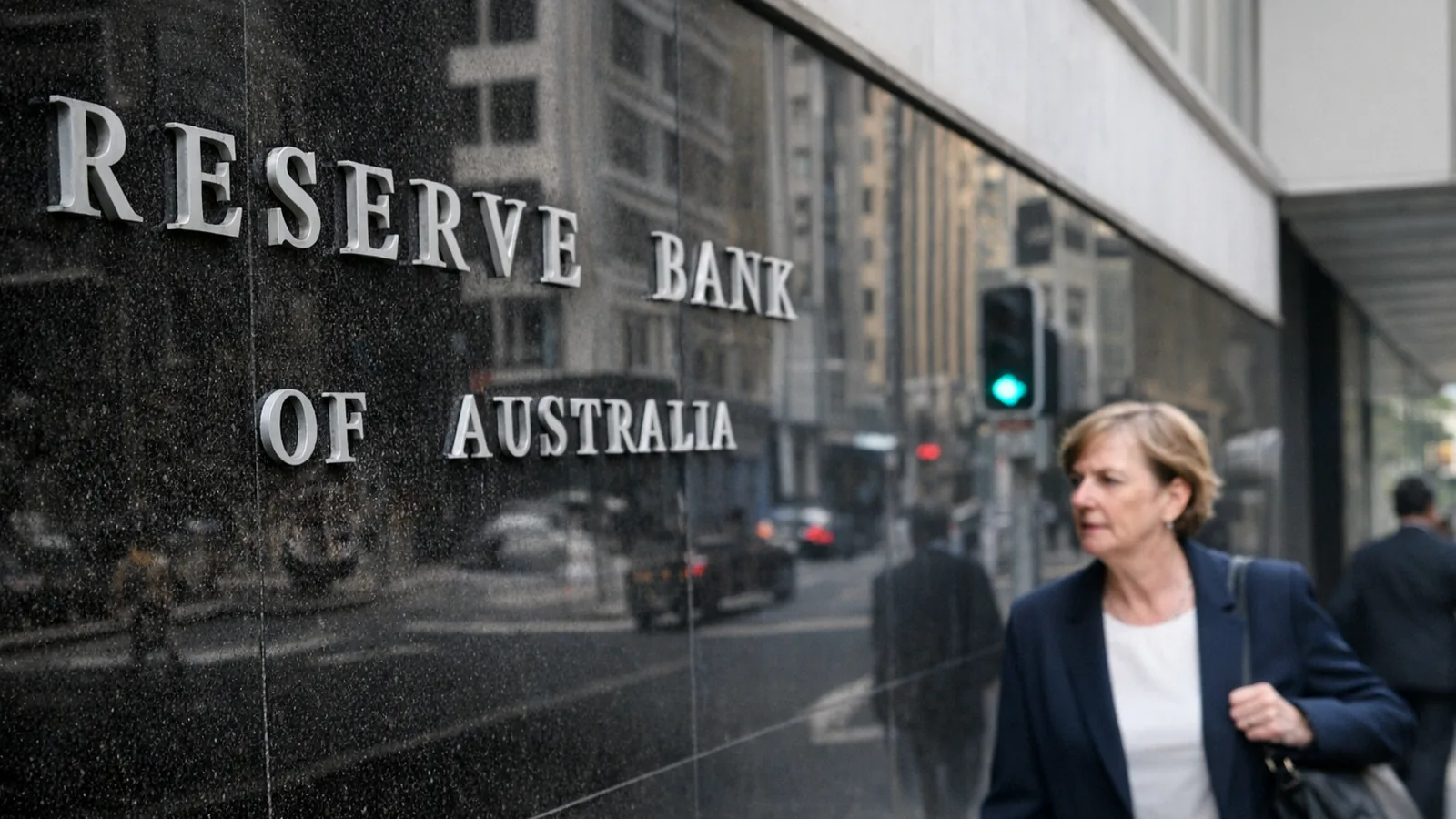
Jim Chalmers has framed the Reserve Bank overhaul as one of the Albanese government’s biggest institutional wins. On paper, the pitch was clean enough: modernise the central bank, sharpen accountability, and bring Australia’s policy framework closer to what other advanced economies already do.
That story still sounds neat.
The problem is the results do not.
The Reserve Bank review handed Chalmers an opportunity to look active on economic reform while the government was under pressure on inflation and living costs. Splitting the old board into a dedicated monetary policy board and a separate corporate board sounded like sensible housekeeping. It also gave the Treasurer a chance to reshape one of the country’s most important institutions.
Here’s the catch. Better governance on paper is not the same thing as better rate decisions in practice.
What changed and what did not
The most visible change was structural. Australia moved away from a single board model and toward a system that separates interest-rate setting from the bank’s broader operational oversight.
That is not unusual internationally. In fact, it is easy to make the case that monetary policy deserves a specialist body with a narrower brief and clearer focus.
But structure was only part of the package. The more consequential shift was philosophical. The updated framework leaned harder into the idea that the RBA should pursue both price stability and full employment, with stronger language around giving both goals proper weight.
That sounds reasonable until you hit the real-world trade-off.
Inflation and unemployment do not behave like matching dials that can simply be turned up or down in equal measure. When inflation is running hot, credibility depends on the market believing the bank will act forcefully enough to get it back under control. When unemployment is deteriorating sharply, the balance changes. The point is not that one goal never matters. It is that context matters more than slogans.
So while the reform changed the machinery, it did not remove the hard judgement calls at the centre of monetary policy. If anything, it may have made those trade-offs more contested in public.
Why this matters now
This would be a largely academic debate if inflation were sitting comfortably inside target and the bank’s message were landing cleanly.
That is not the backdrop.
The concern for critics is that the reworked framework may have made it easier for the RBA to sound less singularly focused on inflation at the wrong time. Once markets and households start wondering whether the bank is trying to juggle too many priorities at once, communication becomes harder, not easier.
And central banking runs heavily on communication.
Borrowers do not only respond to the cash rate. They respond to what they think the bank will do next. Businesses set prices based partly on where they think inflation is headed. Investors price risk based on how credible they think the institution is. That is why clarity matters so much. A central bank does not need to sound dramatic, but it does need to sound coherent.
The recent split vote has made that job harder. Debate inside a rates committee is normal. In one sense, it can even be healthy. But a narrow decision without named votes leaves the public with evidence of disagreement and little insight into who stands where or why. That can look less like transparency and more like fog.
The reform case is not nonsense
That does not mean the whole exercise was misguided.
There were fair criticisms of the old Reserve Bank setup. The Lowe era left scars, especially around forward guidance. The bank’s communication style was often too stiff, too delayed, and too confident for an environment that changed fast. There was also a reasonable argument that governance and rate-setting should not be bundled together in one board forever simply because that was the legacy model.
So the case for change was real.
The stronger criticism is narrower than that. It is that the review, and then the political selling of the review, often blurred the line between “the structure could be improved” and “the structure was the reason policy mistakes happened”. Those are not the same claim.
A bad framework can produce bad outcomes. But bad outcomes can also come from misreading the economy, over-trusting models, or reacting too slowly to a post-pandemic inflation shock. Changing the board does not automatically solve any of that.
Now, the part most people miss: governments often like institutional reform because it looks cleaner than admitting the underlying problem may be judgment, uncertainty, or politics itself. A new model is easier to sell than an old truth, which is that central banking is hard and often looks messy in real time.
What could derail confidence from here
The biggest risk is not disagreement inside the boardroom. It is drift.
If the market starts to think the Reserve Bank has become less predictable in the wrong way, credibility can weaken at the edges. That does not mean investors panic or the framework suddenly collapses. It means each decision carries more interpretive noise. That is costly when households are already strained and borrowers are desperate for signals on where rates are headed.
A second risk is political overreach, or even the perception of it. Any Treasurer making appointments to a major institution will be accused of trying to shape outcomes. That comes with the territory. But when a reform also changes language around policy goals, and when new appointees are seen as more dovish, critics will inevitably ask whether governance reform doubled as policy influence by another name.
That may be unfair in part. It is still a political problem.
Third, there is the communication issue. More press conferences do not automatically produce more trust. They only help if they make the bank’s reaction function easier to understand. If the message becomes too technical, too cautious, or too carefully sanitised, transparency can become theatre.
What would change the story
The most convincing defence of the reform would be simple: outcomes.
If the new board structure helps return inflation to target without unnecessary damage to the labour market, the criticism will fade. If the Reserve Bank can communicate more clearly, build confidence in its decision-making, and show that split views still lead to disciplined outcomes, the reform will look justified.
But if inflation remains sticky, the public message stays muddy, and the new process produces more uncertainty than clarity, the claims of “modernisation” will start to look more like branding than substance.
That is the real test.
Policy reform should not be judged by how hard it was to pass through Parliament, or by how often ministers describe it as historic. It should be judged by whether the institution works better after the headlines move on.
At this stage, the answer is still unsettled. The case for changing the RBA was not absurd. Nor is the scepticism now emerging.
The early read is not that the reform has clearly failed. It is that it has not yet proved the thing its supporters most wanted to claim: that a cleaner structure would deliver cleaner policy.
For borrowers, investors and anyone trying to read the rates outlook, that uncertainty matters. A central bank does not get judged only by where it lands. It gets judged by whether people trust the path it is taking to get there.
Quick take: the RBA overhaul may yet work, but the early evidence is mixed, and mixed is a long way from mission accomplished.