The Reserve Bank’s latest rate rise will be felt quickly by mortgage holders. But the more important signal is not the extra repayment pain. It is what the split decision says about where Australia’s inflation problem is really coming from.
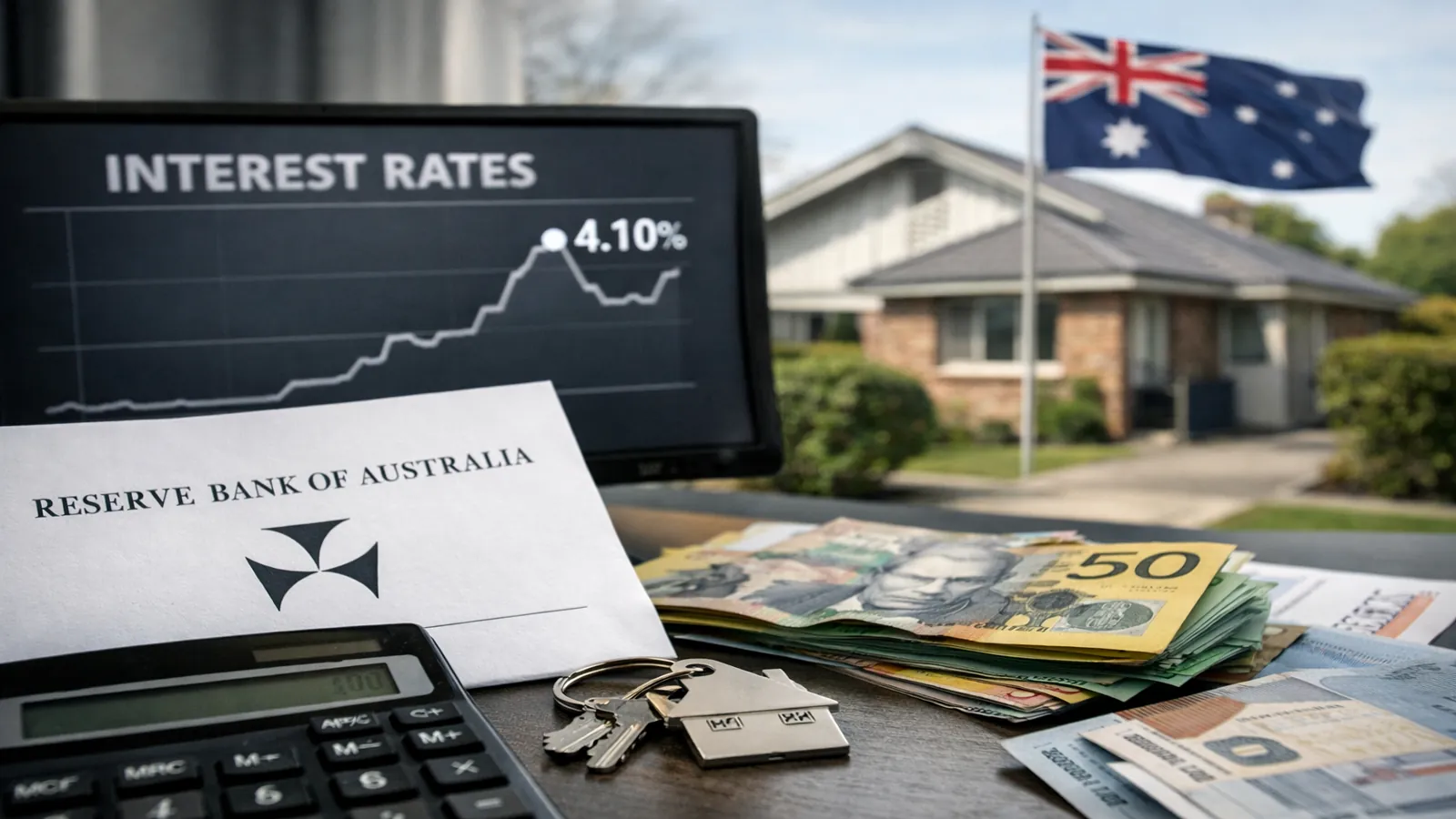
On 17 March, the RBA lifted the cash rate by 25 basis points to 4.10 per cent. The decision was not unanimous. Five members backed the increase, while four wanted to leave the cash rate unchanged at 3.85 per cent. That matters because it tells us two things at once: the board is uneasy about how hard to lean, but it is still dealing with inflation that has not been properly contained.
It would be easy, and politically convenient, to pin this move on the latest Middle East shock. Oil, fuel and global risk sentiment always get attention when conflict escalates. The problem with that explanation is that it lets Australia off the hook. The bank was already worried before the latest overseas flare-up. In its February outlook, the RBA said headline inflation was expected to reach 4.2 per cent by mid-2026, with underlying inflation staying above target until early 2027. Governor Michele Bullock also said earlier this month that inflation pressures had picked up since the middle of last year and that capacity pressures were stronger than previously assessed.
That is the real story.
Australia’s inflation problem has been rebuilt at home. January CPI came in at 3.8 per cent, while trimmed mean inflation lifted to 3.4 per cent. The ABS said housing was the biggest contributor to annual inflation. In other words, this is not just a story about imported energy costs or a one-off external shock. Domestic price pressure is still alive in the parts of the economy households actually feel.
Now, the part most people miss.
If Australia had inflation comfortably back inside target, the RBA would have far more room to look through an overseas shock. Central banks do not automatically respond to every geopolitical event with tighter policy. They respond when those shocks risk embedding into an inflation problem they have not yet fixed. That is why this hike looks less like a reaction to Iran and more like a response to a domestic economy that never cooled enough.
The board split does not really change that reading. It changes the tone, not the underlying problem. At the post-meeting media conference, Bullock said the disagreement was about timing rather than direction. That is an important distinction. It suggests some members thought the bank could afford to wait for another read on the data, not that inflation had been beaten.
For borrowers and property investors, that is not a comforting nuance. A split board can still produce the same result: higher repayments now, and a murkier path for rates over the next few months. The RBA’s own March Financial Stability Review noted that the February and March increases would further squeeze household and business cash flow as financial conditions tighten and inflation stays elevated.
That pressure lands unevenly across the housing market.
Highly leveraged borrowers are the obvious first hit. But the second-order effect matters just as much. Higher rates keep a lid on borrowing power, stretch refinancing risk and make already-thin investment cash flow harder to defend. They also complicate the optimistic story that housing can simply look through another round of monetary tightening. If credit gets tighter while living costs remain high, demand does not disappear, but it does become more selective. That tends to favour better-located stock, stronger household balance sheets and buyers who still have a cash buffer.
There is also a political problem here. Last year’s easier inflation story now looks premature. The RBA cut rates three times in 2025, including ahead of the federal election, and the second half of the year then delivered broader and stronger inflation pressure than expected. The bank’s February Statement on Monetary Policy said the second-half 2025 strength in inflation was greater in breadth and persistence than previously assessed. That makes the March move look less like an overreaction and more like an attempt to recover lost ground.
In plain English
This hike was not mainly about the Middle East. The overseas shock may make the inflation outlook worse, especially through fuel and confidence channels, but Australia was already heading into this meeting with inflation running too high, housing costs contributing heavily to CPI, and the RBA forecasting more near-term inflation pressure.
What happens next depends on whether the next inflation prints and labour market data show a genuine loss of momentum. That is the catch. A 5–4 vote can tempt markets and politicians to treat the bank as divided enough to pause soon. Maybe. But a narrow vote is not the same thing as a dovish pivot. If the domestic data stay hot, the split may end up meaning very little.
For property readers, the practical takeaway is simple. Do not build your 2026 plan around the idea that this was just a temporary geopolitical scare. The safer base case is that Australia still has a domestic inflation problem, and rates may stay restrictive for longer than many borrowers were hoping.