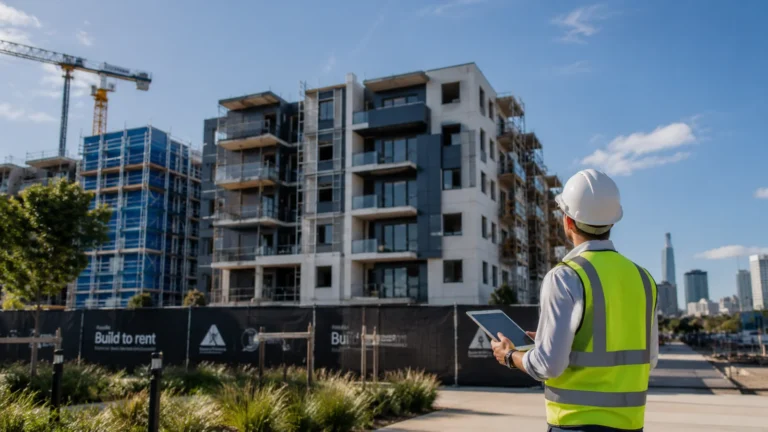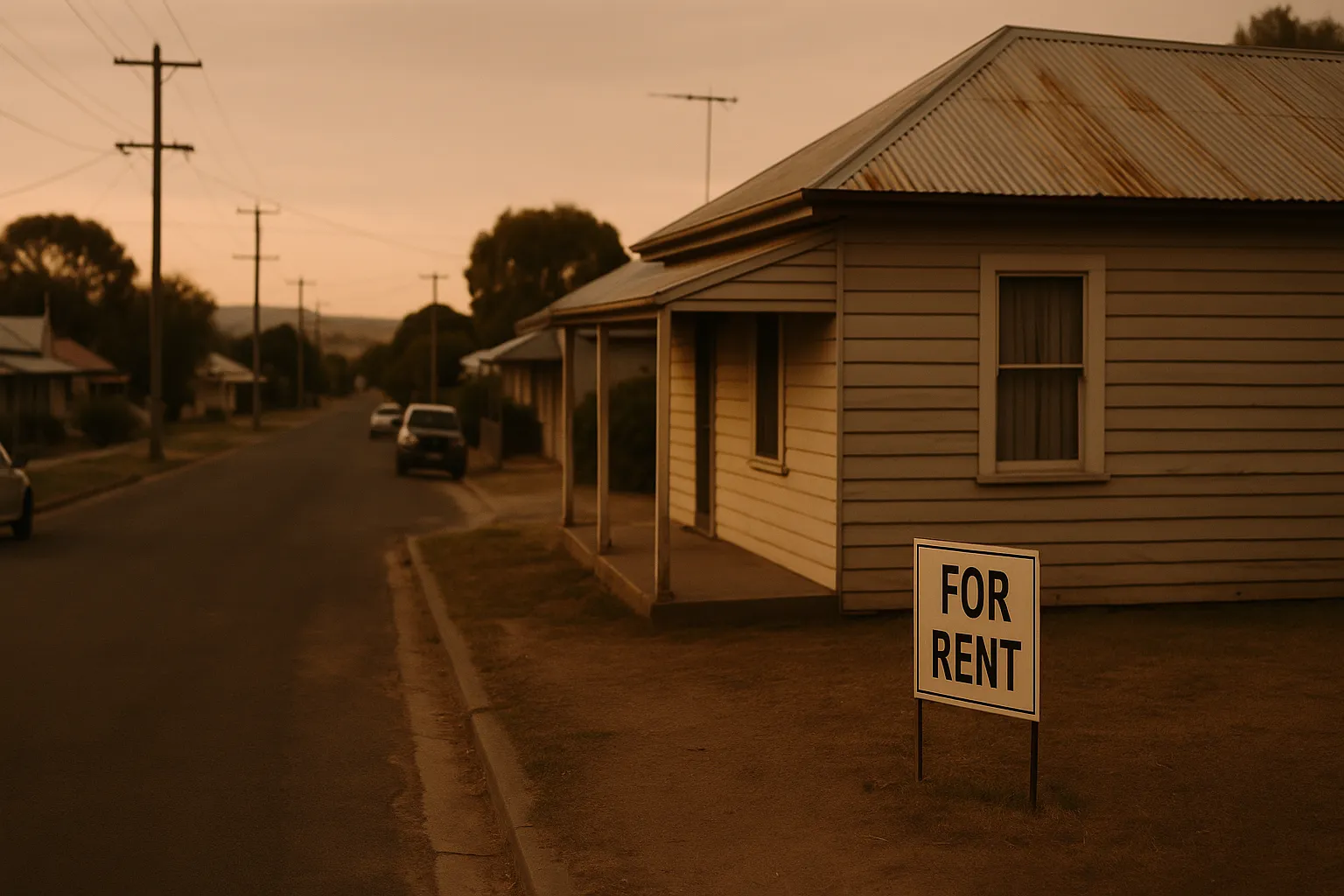
Wagga Wagga’s Wilks Park rough sleeper encampment hit headlines in May after a newborn died 300 metres from the camp. Three months on, residents face council eviction notices carrying $1,100 fines, state promises of temporary motel rooms, and social housing waitlists stretching five to 10 years. The encampment is a visible flashpoint for a structural problem playing out across regional NSW: rental supply failing to keep pace with demand driven by city exodus, vacancy rates near zero, and emergency responses that shuffle people between parks and motels without adding a single dwelling to long-term stock.
The mechanics are straightforward. Median rents in Wagga climbed 41 per cent over four years. Priority social housing applications rose 500 per cent in the same window, from 17 in mid-2021 to 102 by mid-2025. Social housing stock fell from 1,449 dwellings in 2021 to 1,310 in 2025. The town’s biggest redevelopment project won’t deliver until 2030. When supply shrinks and waitlists grow, the gap fills with tents, caravans and compliance notices.
The motel shuffle and its limits
State government placed some residents in motels after the May death prompted a ministerial taskforce. Motel placements cost the state roughly $180 per week per person in subsidies, plus transport for medical appointments, groceries and Centrelink visits because most motels sit on town edges without public transport. One resident was turned away from a motel for carrying four shopping bags, described by a community organiser as “too many bags”. Another can’t access motel placement because of a support dog, leaving him waiting indefinitely at the park.
Motel placement works as crisis triage. It doesn’t work as housing policy. Placements are short-term by design, residents cycle back out when bookings end, and the cost compounds without building equity in permanent stock. For the same weekly subsidy running indefinitely, government could service debt on social housing construction that stays in the system for 50 years.
Supply pipeline stalled while demand compounds
The state housing minister promised 12 prefabricated modular homes starting mid-2026. Four have arrived. The Tolland estate redevelopment, Wagga’s flagship social housing project, runs to 2030. In the gap, priority waitlist applicants compete for a stock that’s shrinking in absolute terms. When new supply lags this far behind demand growth, emergency accommodation becomes the default, eating budget that could capitalise construction.
Regional towns pulled population from Sydney and Melbourne during the pandemic, driving investor interest in cheaper markets where yields looked better than metro. That inflow raised rents and tightened vacancy. The rental squeeze hits hardest at the bottom, where income support recipients can’t outbid working households and social housing waitlists offer no near-term relief.
Council enforcement meets structural gridlock
Wagga council issued compliance action requests (eviction notices) with a 28 July deadline, then granted a reprieve at a council meeting 12 hours before the cutoff. Council messaging says it won’t move anyone without stable accommodation, but notices went out regardless. The general manager’s statement frames it as balancing public space access against individual need, conditional on engaging with government accommodation offers.
The tension is real but the framing misses the constraint. Public parks aren’t designed as housing, but when formal supply runs years behind demand and motels can’t absorb everyone, enforcement just moves the problem between locations. One resident relocated to a caravan park 100 kilometres away, paying $300 per week to avoid the fine. She’s no longer visible at Wilks Park, but she’s still homeless and now further from services.
What actually changes the equation
Three levers move the dial, none of them fast:
- Accelerate social housing delivery. Prefab modular housing can cut timelines if procurement and site prep run in parallel. Four units delivered against a 12-unit promise signals process friction, not technical limits.
- Unlock planning for rapid temporary housing. Repurposed community facilities, relocatable units on crown land, interim occupancy permits for adaptive reuse. These aren’t permanent solutions but they’re faster than five-year builds and cheaper than indefinite motel subsidies.
- Redirect emergency accommodation budget to capitalise supply. Motel placements running $180 per week per person add up. A cohort of 50 people costs $468,000 annually in subsidies that vanish when placements end. The same capital finances debt on permanent stock.
None of this helps someone sleeping rough tonight, which is the political problem. Visible crisis demands visible response, and motels look like action even when the budget maths don’t compound. The trade-off is locking in a cycle where emergency spending crowds out the capital pipeline that would reduce emergency demand.
The policy gap and who fills it
A small group of Wagga locals stepped in as informal case managers: ferrying residents to medical appointments, liaising with Centrelink, sourcing food, even housing one person directly. One former resident, a 68-year-old who managed an informal community kitchen at the camp for 14 months, spoke at the council meeting advocating for residents. Not one councillor asked her a question. Another resident, concerned about street parking if a church expanded, fielded seven.
That imbalance captures the political economy. Rough sleepers are a land-use problem to manage, not a constituency with leverage. When formal services can’t meet demand and enforcement can’t remove the gap, volunteers absorb the delta. It’s effective as harm reduction and unsustainable as policy.
What happens next
Base case: council extends the reprieve, motel placements continue for some, a handful of modular units arrive over 2026, waitlists grow faster than completions, and the camp persists in some form because there’s nowhere else for people to go. Upside case: state fast-tracks temporary housing approvals, redirects part of the motel budget to capitalise prefab units, and Tolland delivers early. Downside: enforcement resumes, fines get issued, residents scatter to surrounding towns, and the problem disperses without resolving.
Risk to watch: if surrounding councils adopt similar enforcement, regional NSW runs out of places people can legally sleep rough, but waitlists and rents don’t change. The visibility problem gets solved, the housing problem doesn’t.
Bottom line
Wagga’s encampment isn’t a failure of emergency response, it’s a visible symptom of structural supply deficit. Motels, fines and eviction deferrals are demand management tools. They don’t add housing stock, reduce waitlists, or lower rents. Regional markets under $600K still attract investor interest, but that capital flows to yield-positive opportunities, not social housing where returns depend on government capital commitment.
If you’re tracking regional housing policy or investing in regional supply, the Wagga case study shows where emergency budgets go when construction pipelines stall. The next 12 months will show whether state government redirects that spend toward permanent stock or continues cycling people through short-term placements.
Subscribe to the weekly newsletter for updates on regional housing policy, supply pipeline data, and what shifts when emergency spending hits budget limits.
General info, not financial advice.