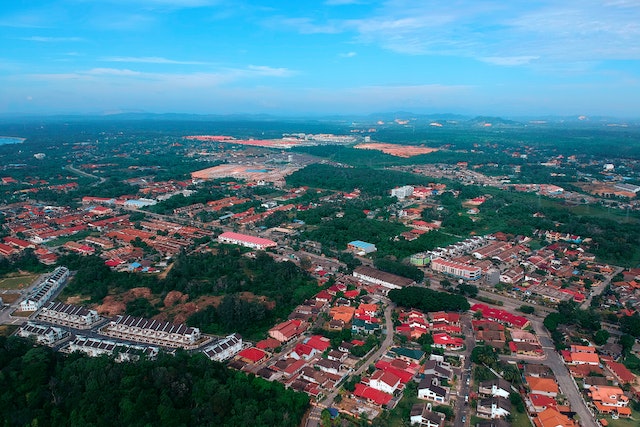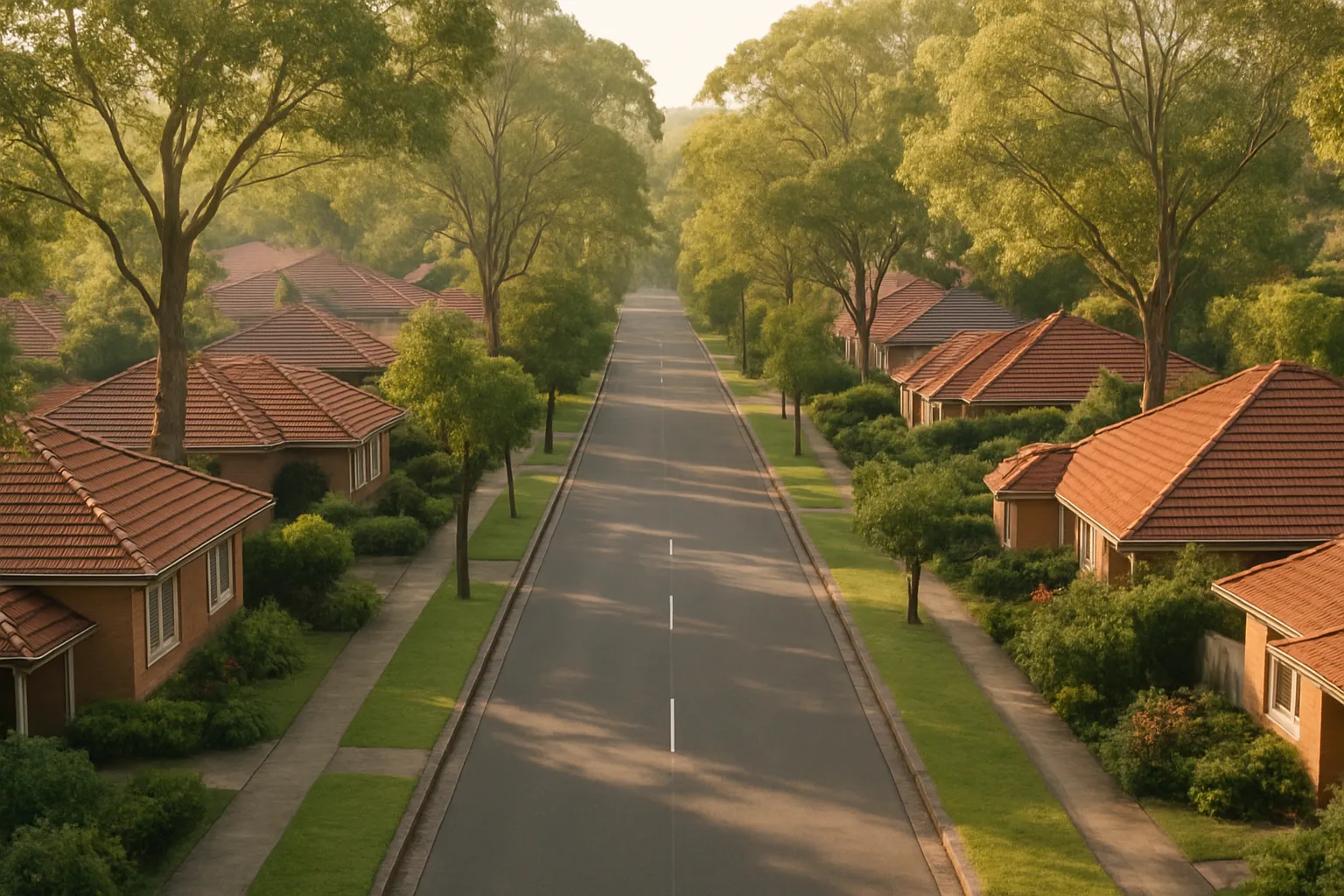
Greenery in Sydney costs money. Streets with established tree canopy sit 8-12% above comparable blocks without it, CoreLogic metro data shows. The question for buyers is whether that premium delivers anything beyond amenity.
It does, but not where most people look.
The resilience gap
Tree-lined pockets don’t outperform in boom years. The premium stays flat when everything’s rising. The divergence appears in corrections and rental tightness.
Domain vacancy data from the 2022-2023 slowdown showed inner-ring suburbs with consistent canopy cover held vacancy 0.4-0.7 percentage points lower than equivalent locations without it. Days on market for sales stayed 12-18 days shorter. The effect is modest but measurable, and it compounds over multiple cycles.
Renters and buyers both anchor to liveability when uncertainty rises. A street that looks finished – mature trees, established gardens, footpaths shaded – reads as stable. That perception translates to stickier tenants and faster resales when credit tightens or sentiment drops.
What drives the premium and where it breaks
The price gap isn’t about trees alone. It’s a bundle: older subdivisions with wider verges, slower traffic, higher land-to-dwelling ratios, proximity to parks or water. In Sydney’s middle ring, suburbs planned pre-1980 with consistent street planting – Lindfield, Longueville, parts of Mosman and Woollahra – cluster around the 10% mark above their treeless peers.
The premium collapses when the greenery is cosmetic. New estates with sapling streetscapes don’t show the same effect. Neither do pockets where canopy is patchy or maintenance inconsistent. Buyers pay for maturity and continuity, not the promise of it.
In plain English
- Established tree canopy in Sydney adds 8-12% to comparable properties
- The real value: 0.4-0.7pp lower vacancy and 12-18 fewer days on market in downturns
- Only works in mature subdivisions with consistent maintenance, not new estates
- Premium holds across cycles but doesn’t amplify in booms
The flip side: costs and constraints
Tree-lined streets come with infrastructure older than the trees. Stormwater, kerbs, footpaths in these areas often sit past replacement cycle. Council maintenance budgets are stretched, and when canopy needs renewal – disease, age, storm damage – the lag can run years.
Buyers also face tighter planning controls. Many heritage conservation areas overlap with established greenery zones. Extensions, rebuilds, even minor works trigger longer approval timelines and higher compliance costs. If your strategy depends on adding floor space or significant renovation, the premium you paid for the street may not survive the planning process.
Some suburbs with strong canopy also carry repeat-collapse risk. Prestige pockets that rely on high-income buyers can swing harder in credit tightening cycles, as detailed in this analysis of suburbs that crash every downturn. The greenery premium doesn’t immunise against leveraged buyer behaviour or localised oversupply.
Who this suits and who it doesn’t
This works for renters holding long-term, families prioritising school zones and walkability, downsizers staying in familiar areas. The premium is insurance, not upside. You’re paying for stability, tenant retention, marginal resilience when things soften.
It doesn’t suit buyers chasing maximum capital growth, developers needing flexible planning pathways, or anyone counting on the premium itself to widen. The gap is stable, not expanding. If your model depends on outsized gains or quick turnaround, the extra 10% at entry eats into margin without delivering equivalent exit velocity.
What to check before you pay the premium
Walk the street at different times. Canopy that looks dense in photos can be sparse at ground level or concentrated in private gardens rather than public verges. Check council tree replacement schedules – some areas are losing canopy faster than replanting cycles can restore it.
Look at comparable sales in the same suburb without the greenery. If the gap is under 5%, the premium may already be priced out or the street character isn’t as distinct as the listing suggests. Above 15%, you’re likely paying for other factors – water views, school catchment, lot size – that have little to do with the trees.
Run rental comparables. If vacancy rates and median rent aren’t measurably better than similar stock two streets over, the resilience benefit isn’t materialising and you’re paying for aesthetic preference alone.
Next step
If you’re weighing a tree-lined property against a cheaper comparable, model the hold period at three different scenarios: base case (market flat), mild correction (5-8% pullback), credit tightening (vacancy rises 1pp locally). The premium pays off when the green street holds tenants and resells faster in the second and third scenario. If your strategy depends on the first scenario – steady appreciation with no turbulence – the extra cost at entry is optional, not essential.
Subscribe to the newsletter for weekly analysis on what drives resilience in Sydney’s middle and inner rings.
General info, not financial advice.