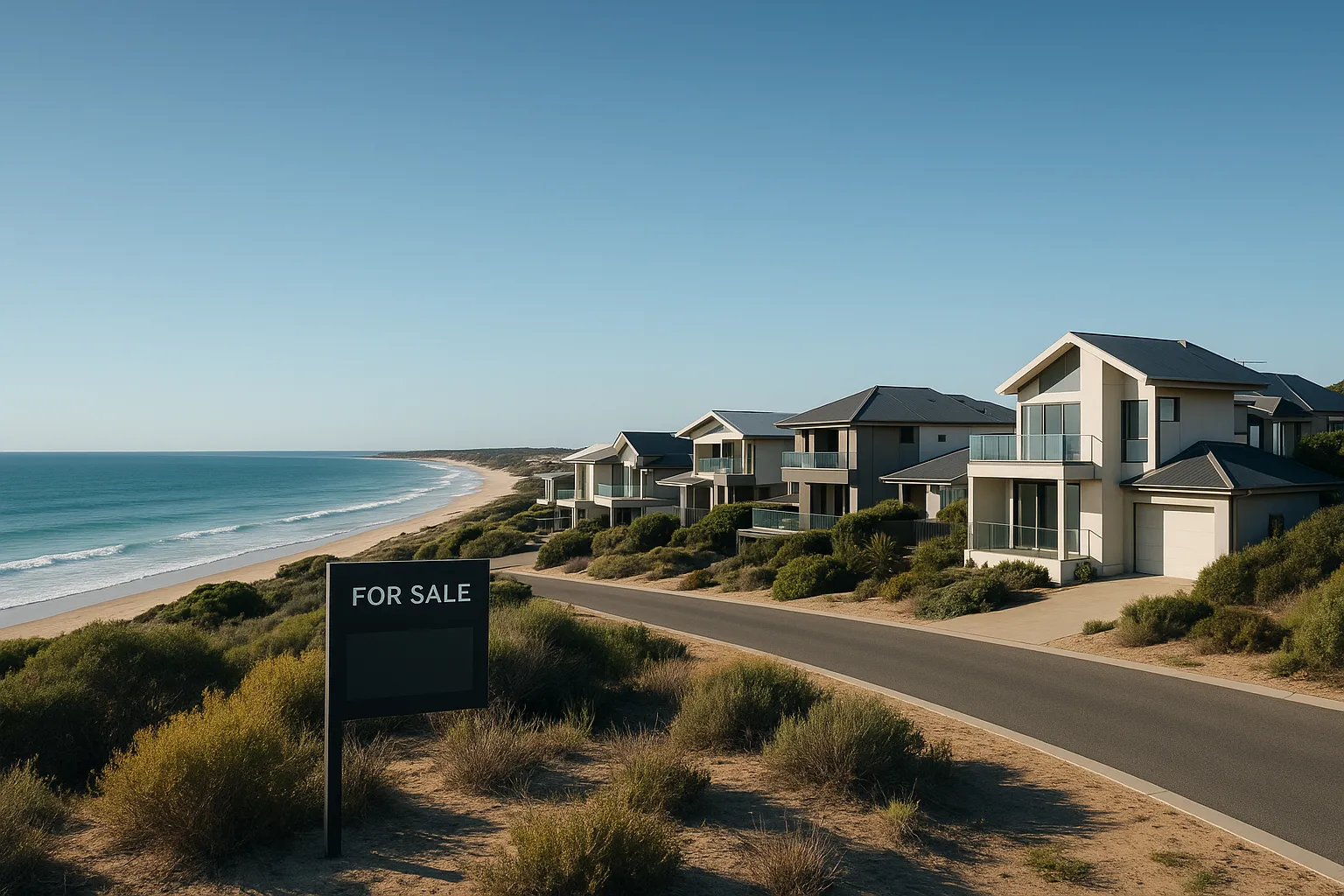
More than 8,000 reverse mortgages were written in Australia over the past twelve months, with coastal NSW postcodes recording the highest concentration of new borrowers in the state. The trend reflects a simple equation: superannuation isn’t covering the real cost of retirement, and rising numbers of homeowners are choosing to unlock equity rather than sell.
Wamberal and The Entrance on the Central Coast, Byron Shire in the north, and Jervis Bay on the South Coast all sit in the top tier for reverse mortgage uptake, alongside Northbridge on Sydney’s Upper North Shore. These are lifestyle postcodes where retirees already live or want to stay, and where price falls since federal tax changes mean crystallising a sale carries more pain than it used to.
The superannuation shortfall problem
Deloitte research puts the total reverse mortgage market at over 40,000 active loans nationally. The cohort eligible for the product is large: more than 5.5 million Australian homeowners are aged over 55, with almost 2.5 million expected to retire within the next decade. A growing share of new borrowers are under 70. Thirty-four per cent of reverse mortgages written in the past year went to borrowers in their sixties, as cost-of-living pressure forces earlier equity release than previous generations needed.
The driver is a mismatch between superannuation balances and actual retirement expenses. Many retirees worked, saved and paid off the mortgage but find their super doesn’t stretch far enough once they stop earning. Medical costs, council rates, utilities, home maintenance and discretionary spending add up. Property values in desirable coastal areas have climbed over decades, but selling to access that equity means leaving the location and community. The alternative is a reverse mortgage: borrow against the home’s value, receive monthly payments or a lump sum, and repay when the property eventually sells.
Why coastal NSW leads uptake
The pattern tracks where Australians retire. Coastal postcodes offer lifestyle appeal, but they also trap equity. Homeowners in these areas who bought years ago have seen significant capital growth, but recent price softness means selling now delivers less than it would have eighteen months ago. Federal tax changes targeting property investors have also affected sentiment in holiday and lifestyle markets, creating downward pressure that delays selling decisions.
Reverse mortgages let these homeowners stay in place. Instead of moving inland or downsizing to release capital, they borrow against the property and remain in the home. This connects directly to the broader downsizing stall already documented: 5.5 million homes are off the table as retirees choose not to sell. Reverse mortgages are one financial tool enabling that delay.
The catch: Reverse mortgages are expensive. Interest accrues and compounds over time, eating into equity that would otherwise pass to heirs or fund aged care later. The No Negative Equity Guarantee protects borrowers from owing more than the home’s value, but the compounding effect over a long retirement can be substantial. A borrower who takes out a reverse mortgage at 65 and lives to 90 will see twenty-five years of compounding interest reduce the residual equity available when the home sells.
Second-order effects on supply and wealth transfer
Every reverse mortgage written is another property that won’t list for sale in the near term. That tightens supply, particularly in coastal areas already constrained by geography and planning rules. Fewer listings mean less stock for downsizers looking to buy into those markets, and less turnover for younger buyers hoping to enter.
The intergenerational wealth transfer also shifts. Equity that might have passed to adult children as inheritance gets consumed by loan repayment. This isn’t inherently bad, homeowners are entitled to use their own equity, but it changes the financial assumptions families make about future windfalls. Adult children expecting to inherit a debt-free coastal property may instead inherit a much smaller residual sum after the reverse mortgage is repaid.
The trajectory from here
Reverse mortgage uptake will likely keep rising. The cohort entering retirement over the next decade is large, superannuation balances for many remain modest, and selling into softer coastal markets feels unappealing. Cost-of-living pressure is already pushing borrowers into their sixties to tap equity earlier than past retirees did.
What could shift this? Sustained house price growth in coastal markets might make selling more attractive again. Alternatively, a sharp correction could force distressed sales if retirees exhaust other options. Changes to aged pension eligibility or superannuation withdrawal rules could also alter the equation. For now, the trend is steady growth in reverse mortgage lending, concentrated in the exact postcodes where Australians want to retire and where supply is already tight.
Risks to watch: Interest rate settings matter. Reverse mortgages are variable-rate products, and higher rates accelerate the compounding effect. Borrowers who take out loans during a low-rate environment and then face sustained higher rates will see equity erode faster than they modelled. Property values also matter. The No Negative Equity Guarantee protects borrowers, but lenders price for that risk. If coastal property values stagnate or fall over the long term, lenders may tighten eligibility or raise rates, making the product less accessible.
What this means for other market participants
If you’re looking to buy in coastal NSW, reverse mortgage uptake is another factor keeping listings low. Expect competition for the stock that does come to market, and be prepared for longer search timelines. If you’re advising retirees, reverse mortgages are a legitimate option but not a cheap one. Model the compounding interest over realistic timeframes and compare it against other equity-release strategies, including partial downsizing or relocating to a lower-cost area.
For investors watching supply dynamics, track reverse mortgage origination data alongside downsizer sentiment. Both trends point to the same outcome: millions of homes staying off the market, tightening supply in exactly the markets where demand from retirees and sea-changers remains strong.
Start here: if you’re considering a reverse mortgage or advising someone who is, pressure-test the numbers over twenty years, not five. Model what happens if interest rates stay elevated and if property values grow slower than historical averages. Compare that outcome against selling now, relocating to a comparable but cheaper market, and investing the difference. The right answer depends on how much you value staying in place versus preserving equity for later care or inheritance.
Subscribe to the weekly newsletter for data-driven property analysis that cuts through the spin.
General info, not financial advice.