Australians spent an estimated $24 billion on residential electricity in the past year, and roughly two-thirds of that total went to just two categories: keeping homes warm or cool, and heating water. The technology to cut those bills by 30-50% exists and has for a decade. The question is why uptake remains so low, and what that means for real household budgets in a cost-of-living squeeze.
Heating and cooling accounts for approximately 40% of residential power use. Hot water systems add another 25%. Together, they represent the largest controllable expense on the average electricity bill, yet many homes still run on resistive electric heaters and storage hot water systems designed in the 1980s.
The efficiency gap: physics vs habit
A 2kW portable electric heater converts electricity to heat at a one-to-one ratio. It uses 2 kilowatts of power and produces 2 kilowatts of heat. A reverse-cycle air conditioner, by contrast, extracts thermal energy from outdoor air and moves it inside. The same 2kW of electricity can deliver 5-6kW of heat, because the system isn’t generating warmth from scratch; it’s transferring it.
That three-to-one efficiency advantage translates to annual savings of several hundred dollars for households that replace plug-in heaters with split-system units. The upfront cost is higher (a basic reverse-cycle unit starts around $800 installed, versus $50-$150 for a portable heater), but the payback period is typically under two years in moderate-use scenarios.
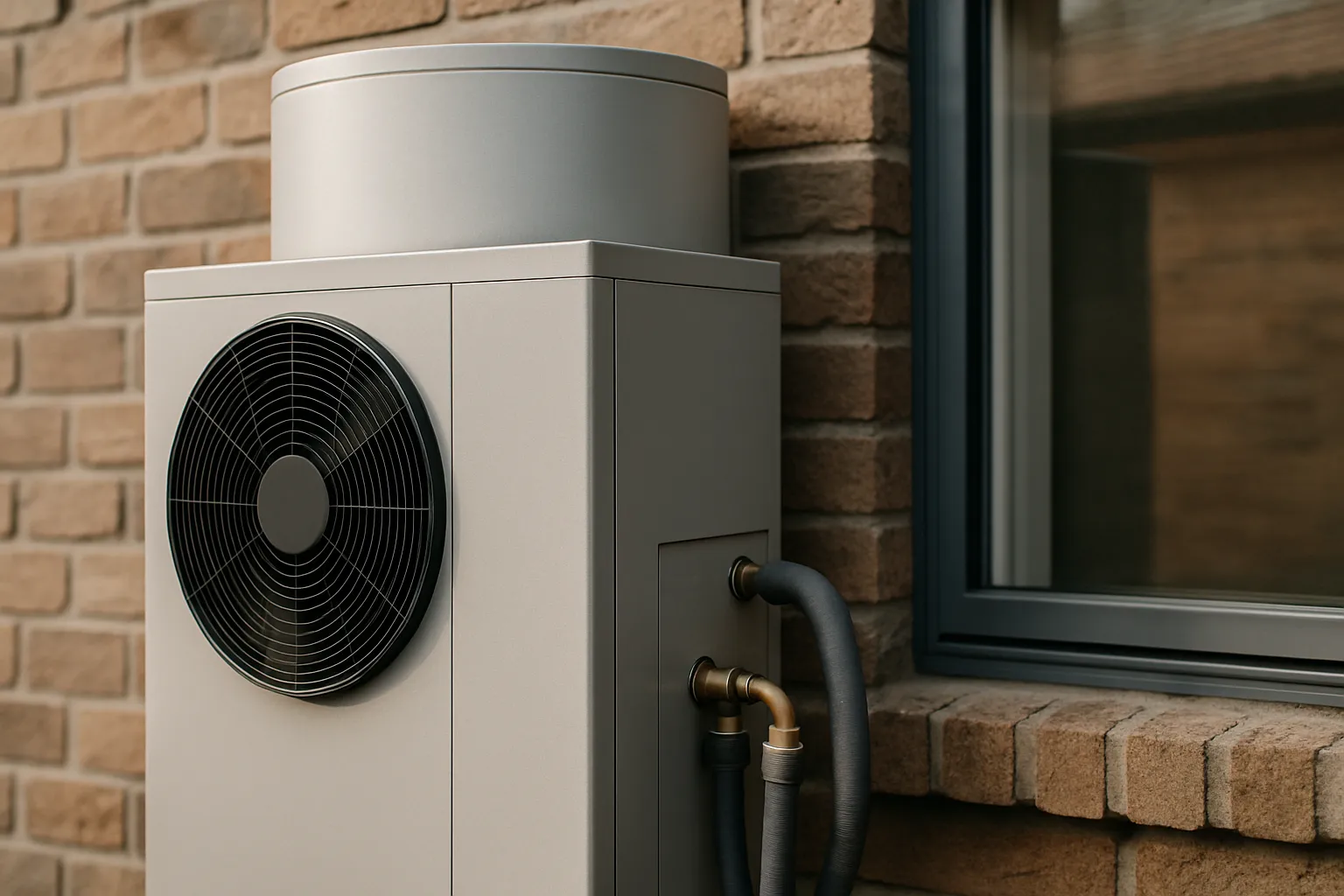
The same principle applies to hot water. Heat-pump systems use compressor technology to extract warmth from ambient air and transfer it to a storage tank. They cost $3,000-$5,000 installed, roughly double the price of a resistive electric system, but running costs drop by 60-70%. Payback averages three to five years, depending on household size and water use.
Where the bills actually blow out
Data from energy comparison services shows electric storage hot water systems top the annual cost table at around $1,240 per year (based on a single-rate plan at 36.4c/kWh). A large non-ducted air conditioner running in a typical household costs approximately $432 annually. Pool pumps for a 50,000-litre pool add $350. A second fridge in the garage, especially an older model with worn seals, can add another $150-$200.
The garage fridge is a common blind spot. Garages are usually uninsulated, so ambient temperatures swing wider than in the main house. The compressor works harder, seals deteriorate faster, and running costs climb. A simple test: close an A4 sheet of paper in the fridge door. If it slides out easily, the seal needs replacing.
Clothes dryers vary widely. A vented model with a purchase price around $650 costs approximately $185 per year to run (three full loads per week). A heat-pump dryer costing $1,700 upfront drops that annual bill to $58. Over a ten-year lifespan, the heat-pump model saves roughly $1,270 in electricity, on top of recovering its higher purchase price.
Callout: The catch
Energy-efficient appliances deliver real savings, but only if they replace genuinely high-use items. Swapping a second garage fridge that runs half-empty most of the year for a newer model won’t change much. Upgrading the main hot water system or replacing portable heaters used daily will.
Two scenarios that shift the math
Base case: a household replaces an electric storage hot water system with a heat-pump unit and swaps two portable heaters for a single reverse-cycle split system. Upfront cost is approximately $6,000 (heat-pump hot water $4,500 installed, split system $1,500). Annual savings on electricity: $800-$1,000. Payback in six to seven years, with systems typically warranted for ten.
Downside: the household finances the upgrades on a credit card at 20% interest and doesn’t pay it off within three years. Interest charges eat most of the savings, and the effective payback period stretches past a decade. Equipment failure outside warranty (uncommon but possible) erases the gain entirely.
Upside: state or federal rebates cover 30-50% of the installation cost (available intermittently in some jurisdictions), and the household is on a time-of-use tariff that rewards off-peak hot water heating. Payback drops to three to four years, and the system’s second decade becomes pure savings.
What policy hasn’t caught up to
Australia’s minimum energy performance standards for appliances focus on disclosure (star ratings) rather than mandating efficient technology at point of sale. A builder can still legally install a resistive electric hot water system in a new home, locking in higher running costs for decades. Retrofitting insulation, double glazing or heat-pump systems in existing stock is left to individual owners, with subsidy programs that vary by state and often run out of funding mid-year.
The result: Australia’s residential housing stock is less energy-efficient than comparable OECD countries, and the gap widens in rental properties, where tenants pay the bills but landlords control the equipment. Until minimum standards tighten or retrofit incentives become predictable and universal, the efficiency gap will persist as a structural cost-of-living issue, not just a household-by-household choice.
For property investors, this creates a trade-off. Installing efficient systems lifts rental appeal and can justify a small rent premium in competitive markets (renters care about utility bills), but the payback accrues mostly to the tenant unless the investor holds long-term and factors lower vacancy into the return. For owner-occupiers, the case is simpler: the savings are direct, and the risk is mainly upfront financing.
Red flags for the next twelve months
Electricity retail prices are forecast to hold steady or rise slightly through 2025, driven by wholesale gas costs and transmission upgrades. Any sharp increase (above 5% in a single adjustment period) would shorten payback times for efficiency upgrades and likely trigger a surge in heat-pump installations, but supply-chain delays could push lead times out to three months or more.
Watch for changes to state-based hot water rebate programs. Several jurisdictions have flagged expanded schemes but haven’t locked in budgets. If funding materialises, act quickly; these programs typically exhaust their allocations within weeks.
Finally, interest rates matter. If the cash rate drops 50 basis points or more by mid-2025 (a possibility, not a base case), financing upgrades on a low-rate home equity line becomes cheaper than paying elevated electricity bills indefinitely.
What to do if you are deciding now
Start with your hot water system. If it’s more than ten years old and electric resistive, get a quote for a heat-pump replacement. Compare the annual saving (your current hot water bill component, minus the heat-pump running cost) against the upfront cost after any available rebates. If payback is under five years and you plan to stay in the property that long, proceed.
Next, audit your heating. If you use portable electric heaters daily through winter, price a reverse-cycle split system for the main living area. Factor in installation (often $500-$800 on top of the unit cost) and check whether your switchboard needs an upgrade (older homes sometimes do). If total cost is under $2,000 and you replace two or more plug-in heaters, the investment pays back in under three winters.
For renters: request upgrades in writing, citing the efficiency gap and offering to contribute to installation if the landlord splits the cost. Some will negotiate, especially in tight rental markets where tenant retention matters. If not, focus on sealing gaps (door snakes, window film) and using appliances off-peak where possible.
If you’re weighing a property purchase and comparing two similar homes, check the hot water system and air conditioning setup. A house with a heat-pump hot water system and reverse-cycle units already installed is effectively $4,000-$6,000 cheaper to own over five years than one with old resistive systems, even if the asking prices are identical. That gap matters when household budgets are already stretched.
Your next step
Request your last four quarterly electricity bills and highlight the line items for heating/cooling and hot water (most bills break this down now). Calculate the annual total for those two categories. Then get two quotes: one for a heat-pump hot water system, one for a reverse-cycle split system if you don’t have one. Compare the payback. If it’s under five years and you can fund it without high-interest debt, you’ve found several hundred dollars a year that’s currently disappearing.
For weekly updates on cost-of-living drivers, interest rate shifts and housing affordability policy, subscribe to Australian Property Review’s newsletter.
General info, not financial advice.