A household budget Australia reset is becoming less of a nice-to-have and more of a survival tool.
The problem is not just that prices rose quickly during the inflation shock. The bigger problem is that many of those prices have now settled at a permanently higher base.
That means even households that received a July pay rise can still feel poorer in practice. Housing, electricity, insurance, groceries, health costs and transport are taking a larger share of income than they did a few years ago. For mortgage holders, higher interest rates have added another layer of pressure.
This is where the cost-of-living story becomes a property story.
When household expenses rise, borrowing power weakens. When borrowing power weakens, buyers become more cautious. When buyers become more cautious, parts of the housing market can slow even if headline prices do not fall sharply.
Australian Property Review has covered that wider squeeze in Financial Stress Australia: Household Squeeze Deepens, where rising expenses are making serviceability harder for borrowers. Serviceability simply means the lender’s test of whether a borrower can afford a loan, including buffers for higher rates.
The pay rise problem
A pay rise helps. It just may not help enough.
If wages rise but mortgage repayments, power bills, insurance premiums and groceries rise at the same time, the household does not necessarily get ahead. It may only fall behind more slowly.
That is the part many budgets miss.
A household can look fine on income alone but still be under pressure once the real cost base is counted. This is especially true for borrowers with large mortgages, renters facing higher leases, and investors relying on thin cashflow.
The old rule of thumb was that housing costs above 30 per cent of gross income could signal mortgage stress. In today’s market, many new borrowers are operating well above that comfort zone, especially in larger capital cities.
That does not mean every household is in trouble. It does mean the margin for error is smaller.
What changed, and what did not
What changed is the level of pressure across essential expenses.
Housing costs remain the biggest line item for most households. Electricity and insurance have become harder to ignore. Groceries are still absorbing a larger share of weekly spending. Interest rate rises have increased repayments for variable-rate borrowers and reduced borrowing capacity for new buyers.
What did not change is the basic maths.
Cashflow still decides how much risk a household can carry. A bigger income helps, but it does not protect a borrower if expenses rise faster. A larger asset base helps, but it does not pay the monthly bills unless there is liquid cash available.
Now, the part most people miss: inflation does not need to keep accelerating for households to feel worse off.
If prices rise sharply, then stay high, the squeeze remains. The rate of inflation may slow, but the bill at the checkout or in the inbox can still feel heavy.
In plain English:
Lower inflation does not mean lower prices. It usually means prices are rising more slowly. For households, the pressure only eases when income, savings and repayments start moving back into balance.
Where households can still take back control
The practical starting point is not a perfect spreadsheet. It is a clear view of the next 90 days.
Most households know their income. Fewer know the timing of their bills. That timing gap is where stress often starts.
Car registration, insurance renewals, school costs, strata levies, council rates, medical bills and seasonal electricity usage can hit before the household has rebuilt a buffer.
A useful household budget Australia reset should separate spending into four groups:
- Fixed essentials: mortgage or rent, utilities, insurance, transport, school fees and minimum debt repayments.
- Flexible essentials: groceries, petrol, health costs and home maintenance.
- Lifestyle spending: subscriptions, eating out, travel, shopping and entertainment.
- Future costs: annual bills, repairs, tax obligations and emergency savings.
The goal is not to cut everything. That usually fails.
The goal is to identify the expenses that can be changed without damaging the household’s long-term position.
Grocery planning, cheaper energy plans, insurance comparisons, unused subscriptions and better use of offset accounts can all matter. None is a magic fix. Together, they can create breathing room.
Australian Property Review has also looked at the cashflow side in 30-Day Financial Reset: The Cashflow Test Most Aussies Fail. The key lesson is simple: if the budget only works when nothing goes wrong, it is not a buffer. It is a hope.
The mortgage buffer now matters more
For homeowners, the mortgage buffer is the number to watch.
A buffer is the gap between what a household must pay and what it can comfortably pay after normal living costs. It includes cash savings, offset balances and spare monthly income.
The mistake is treating the offset account as spare money. For many borrowers, it is the shock absorber.
That shock absorber matters because the risks are now layered. A household might handle higher repayments. It might handle higher groceries. It might handle a larger insurance renewal. The problem is when all three arrive in the same year.
For first-home buyers and upgraders, this changes the purchase test.
Do not only ask: can we get the loan?
Ask: can we still live normally if repayments rise, insurance jumps, and one income is interrupted for a few months?
Australian Property Review covered this issue in First-Home Buyer Mortgage Buffer Risk. The risk is not always a housing crash. Sometimes it is a normal life event hitting a household with no room left.
Savings can quietly go backwards
Higher interest rates have improved returns on some savings accounts, but cash can still lose value in real terms.
The reason is simple. If the after-tax return on savings is lower than inflation, purchasing power is falling. The balance may look larger, but it may buy less.
That does not mean households should abandon savings. A cash buffer still matters, especially for borrowers, renters and investors with uneven expenses.
But the location of that cash matters.
For a mortgage holder, money sitting in a transaction account earning little or nothing may work harder in an offset account. An offset account reduces the loan balance used to calculate interest. Because mortgage interest is paid from after-tax income, the effective benefit can be stronger than a standard savings return for many borrowers.
This is not the same for every household. Renters, fixed-rate borrowers, investors and people with credit card debt may need a different order of priorities.
Here’s the catch: the best financial move is often not the one with the highest headline rate. It is the one that reduces risk after tax, fees, access needs and debt costs are counted.
What could derail the household reset
There are three risks to watch over the next 4 to 12 weeks.
First, another jump in essential bills. Insurance, electricity and council charges can move in chunks, not small weekly amounts. That can break a budget that looked manageable.
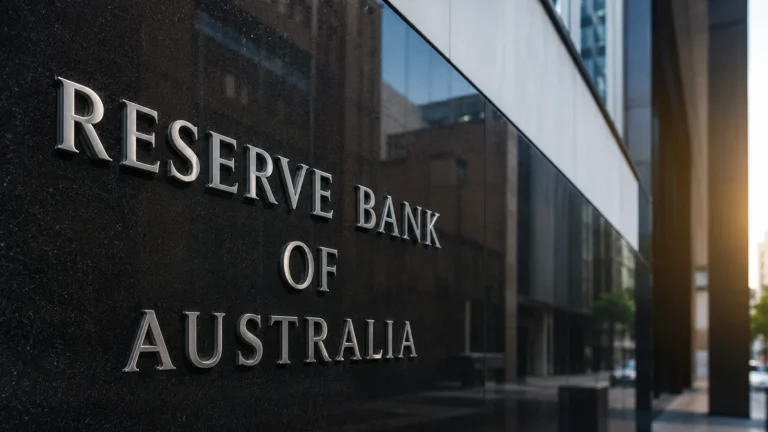
Second, sticky inflation. If price pressures remain above the Reserve Bank of Australia’s comfort zone, rate relief may take longer than borrowers want. Australian Property Review explored that pressure in RBA Interest Rates Hold, but Borrowers Stay Exposed.
Third, lifestyle creep after a pay rise. This is the quiet one. A household receives more income, then absorbs it into upgraded spending before rebuilding savings. The pay rise disappears before it becomes protection.
The better move is to quarantine part of the increase. Put it towards an offset, emergency fund, high-interest debt reduction or upcoming annual bills before it becomes normal spending.
What this means for property decisions
For investors, the cost crunch changes the way a purchase should be tested.
A low-yield property that relies on capital growth may be harder to justify when debt costs, land tax, insurance and maintenance are rising. The question is no longer just whether the property looks cheap relative to last year. It is whether the asset can survive a slower-growth period without draining too much cash.
Australian Property Review has covered that shift in Property Investment Faces Its Hardest Test In Years.
For homeowners, the decision is more personal.
Some households should focus on rebuilding their buffer. Others may need to refinance, renegotiate bills, delay upgrades, or reduce discretionary spending for a short period. For some, the right move may be getting professional advice before arrears or high-interest debt become harder to unwind.
For buyers, the rule of thumb is clear.
Pressure-test the purchase before signing. Use today’s repayment. Add a higher-rate scenario. Add realistic insurance, utilities, maintenance and moving costs. Then ask whether the household still has cash left over.
If the answer depends on everything going right, the purchase may be too tight.
The practical take
Start here: build a 90-day household budget using actual bank transactions, not estimates.
Then identify three numbers:
- your true monthly surplus after essential costs
- your available cash buffer
- your next three large bills
That gives you a clearer view than income alone.
The households that manage this period best may not be the ones with the highest incomes. They may be the ones that spot the leaks early, protect their buffer and make property decisions based on cashflow, not headlines.
Subscribe to the free Australian Property Review newsletter for the weekly signal on rates, property and household pressure.
General info, not financial advice.