National property prices fell 0.3% in July, according to PropTrack data, with every capital except Darwin recording a drop. The combined capitals are now 2.5% below their March peak. Yet about a quarter of Australia’s 88 regions, measured at the SA4 statistical level, posted price gains over the past three months, some as high as 3%.
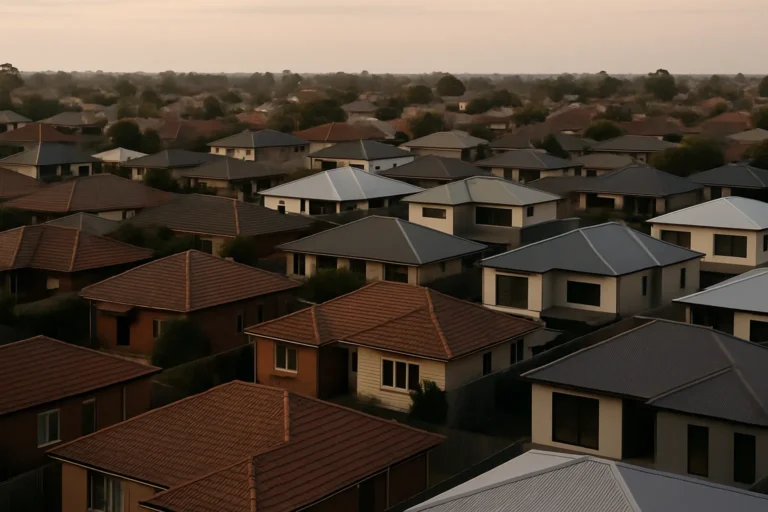
The common thread: these are not prestige inner-city enclaves. They are regional and remote areas where median house prices sit well below $700,000, rental yields run higher, and borrowing capacity stretches further. Queensland’s Outback region led the three-month table with a 3% gain on a $315,000 median. South Australia’s Outback followed at 2.9%, with a median of $390,000. Barossa–Yorke–Mid North, also in South Australia, rose 2.6% on a $515,000 base.
The affordability mechanism at work
Higher interest rates compress borrowing power most sharply at the top of the price spectrum. A buyer stretching for a $2 million property sees monthly repayments jump by hundreds of dollars with each 25-basis-point rise. A buyer at $400,000 feels the same rate move, but the absolute dollar impact is smaller, and the starting point leaves more headroom.
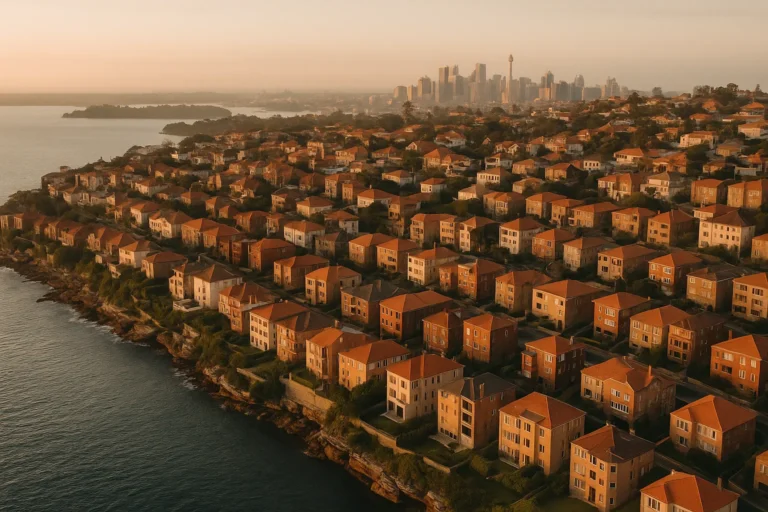
This is why regional property prices in low-median markets are holding up while inner Brisbane, Sydney’s eastern suburbs and Melbourne’s bayside pockets have shed 3–5% in three months. The rate-hike sequence since February, three moves totalling 75 basis points, hit leveraged buyers in expensive postcodes harder than those operating in cash-positive or lightly geared regional zones.
The data also shows combined regional areas up 8% over the past year, compared with 2.5% for the capitals. That gap is unusual and points to a shift in where marginal buyers can still transact.
Who’s buying and why
Brokers and agents in outback Queensland and regional South Australia report steady enquiry from two groups: lifestyle migrants leaving the capitals for lower cost of living, and yield-focused investors chasing double-digit gross returns. A $400,000 house in Longreach or Charleville that rents for $400–$450 a week delivers a 5–6% gross yield before costs, double what inner-city units offer.
Self-managed super fund buyers also accelerated purchases in the lead-up to the 10 August 2025 deadline for regulatory changes around SMSF borrowing. That created a short-term spike in regional markets where property prices sit within typical SMSF loan limits.
But these buyers are not chasing capital growth. They are locking in cashflow and betting that regional vacancy stays low as rental supply remains tight. The risk: if migration slows or mining employment contracts, tenant demand in remote areas can evaporate quickly.
What’s missing from the optimistic read
Outlier strength in 22 regions does not mean a new cycle. It means affordability constraints have segmented the market, and the buyers left standing are clustering where entry prices and yields still work under current rates.
Three factors could reverse these localised gains:
- Further rate rises. The RBA’s next move is uncertain, but another 50 basis points would push even regional serviceability to the edge for leveraged buyers.
- Migration slowdown. Net overseas migration drove regional rental demand over the past two years. If federal policy tightens visa settings, tenant numbers fall and yields compress.
- SMSF rule changes. The August deadline triggered a pull-forward effect. Post-deadline, that buyer cohort shrinks, removing a key source of regional investment demand.
The 12-month numbers also show most of these regions were already running hot before the recent quarter. South Australia’s Outback is up 17.6% annually, Far West and Orana in NSW up 16.2%, Launceston and North East up 15.1%. Those are unsustainable rates that typically precede a plateau or reversal, especially once affordability limits exhaust the buyer pool.
Lag effect or structural shift?
Regional markets often trail capital city cycles by 6–12 months. The question is whether this quarter’s gains represent a lag, meaning regional property prices will eventually converge with the broader downturn, or a structural decoupling driven by permanent affordability migration.
The evidence leans toward lag. Regional economies remain tied to capital-city labour markets, federal fiscal settings and national credit conditions. If the capitals enter a sustained correction, regional areas lose the buyer flow that has propped up recent growth. The lifestyle-migrant narrative works while remote work persists and capital-city prices feel out of reach, but both those conditions are cyclical, not permanent.
Risks to watch
Net migration policy changes, further RBA tightening, SMSF buyer exhaustion post-August, mining sector employment shifts in remote regions, and capital-city price stabilisation that slows the affordability-driven exodus.
The unit story: even narrower margins
Unit markets show a similar but more concentrated pattern. New England and North West NSW led with a 6.2% quarterly gain on a $417,000 median. Riverina rose 5%, Mackay–Isaac–Whitsunday up 4.7%. All are regional areas with unit medians under $500,000.
But units are more exposed to investor sentiment than houses, and the May budget’s negative gearing and capital gains tax changes have already cooled investor appetite. Auction clearance rates for units in Sydney and Melbourne have dropped below 50% in recent weeks. If that sentiment spreads to regional markets, unit price gains will stall faster than houses.
Base case, upside, downside
Base case: Regional property prices in sub-$700,000 markets plateau over the next six months as SMSF demand fades and migration inflows slow. Capitals stabilise but do not rebound. The gap between regional and capital performance narrows by year-end.
Upside: RBA cuts rates earlier than expected, migration policy stays loose, and regional lifestyle demand accelerates. Regional markets extend gains another 3–5% while capitals remain flat.
Downside: Another two rate hikes, federal migration cap, and mining sector downturn. Regional property prices fall 5–10% by mid-2026, converging with or undershooting capital-city declines.
The base case assumes regional strength is temporary, not a new equilibrium.
Start here
If you are considering a regional investment, stress-test the cashflow at 7% mortgage rates and assume 10% vacancy over a 12-month period. If the property still returns positive cashflow after those assumptions, the downside is manageable. If it does not, you are betting on continued migration inflows and rate cuts, probabilities, not certainties.
For those tracking house price falls across Australia, the regional outliers do not change the national direction. They show where affordability still allows transactions, but affordability alone does not create sustained price growth. Watch the next three months of PropTrack data to see if these gains hold or fade as the SMSF deadline effect washes out.
Subscribe to the Australian Property Review newsletter for monthly regional price updates and serviceability analysis.
General info, not financial advice.