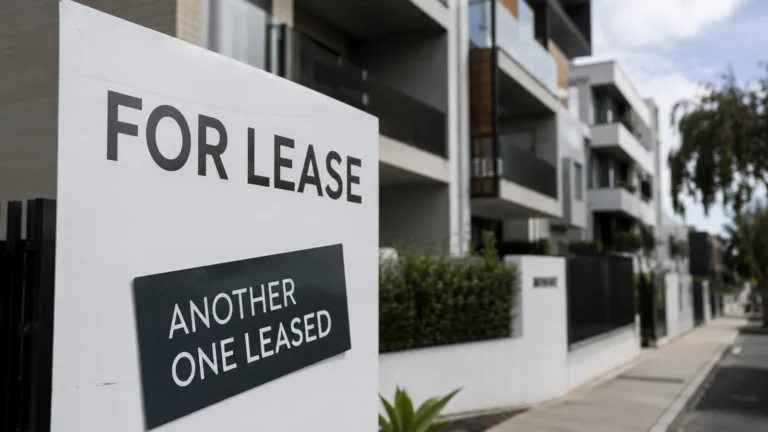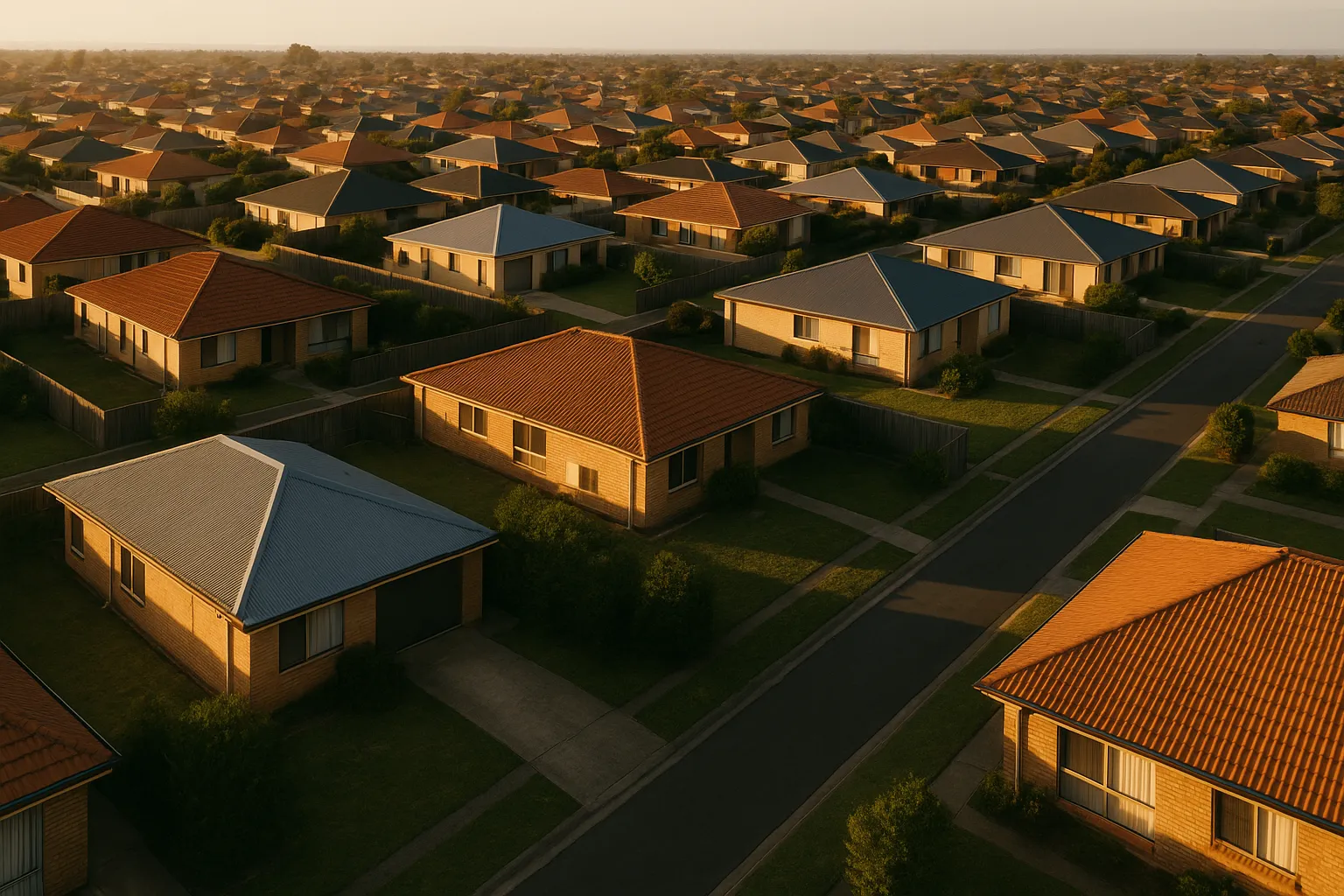
The 2021 Census recorded something that makes housing campaigners furious and economists uneasy: over 13 million spare bedrooms sitting unused across Australian homes, plus roughly 1 million unoccupied dwellings, about 10 per cent of the national housing stock. That’s the backdrop as rental vacancy rates scrape historic lows and construction can’t keep pace with population growth.
The mismatch isn’t subtle. While renters queue 30-deep for inspections, three-quarters of Australian households reported at least one bedroom they didn’t need. The policy question now is whether any level of government will attempt to close that gap, and if so, how.
What the numbers actually show
Australian Bureau of Statistics data from the last Census identified 1,043,776 unoccupied private dwellings on Census night. Analysis by the Australian Housing and Urban Research Institute found that 77 per cent of occupied homes, around 7.4 million households, had spare capacity, totalling more than 13 million unused bedrooms nationwide.
Those figures sound enormous, but context matters. Research from economics consultancies shows that two-thirds of unoccupied dwellings on Census night were vacant for routine operational reasons: owners travelling, hospital stays, properties between tenancies, or homes undergoing renovation. Australia’s unoccupied dwelling rate has hovered near 10 per cent for over 35 years, reflecting normal market friction rather than a sudden surge in intentional vacancy.
Regional holiday towns and tourist hubs consistently push the national vacancy average higher, while capital cities where rental demand is most acute tend to have the lowest unoccupied rates.
The utilisation problem that policy can’t ignore
Here’s the pressure point: household size has been shrinking for decades, and even a small shift drives enormous demand. A reduction of just 0.1 people per household creates need for roughly one million additional dwellings, more than three years of current construction output.
Work-from-home habits accelerated during the pandemic, converting many spare bedrooms into permanent home offices or gyms. That’s a lifestyle choice households are entitled to make, but it does mean spare capacity that might once have housed a boarder or adult child now serves a different function.
The political tension is obvious: any government suggestion that unused bedrooms represent wasted housing capacity during a rental crisis will meet fierce resistance from homeowners who see that space as theirs to use, or not use, as they choose.
Key numbers
- 1,043,776 unoccupied dwellings recorded on 2021 Census night, roughly 10% of Australian homes
- 13 million spare bedrooms across occupied households, with 77% of homes reporting at least one unused room
- Two-thirds of vacant properties on Census night were empty for routine operational reasons, not speculation
- 0.1 person per household decline creates demand for approximately 1 million additional dwellings
Policy levers that could shift utilisation without coercion
Governments have three broad options if they want to unlock underutilised housing without forcing anyone out of their home.
First, tax settings. A land tax with an occupancy threshold or exemption for primary residences but not investment properties held vacant could create a modest incentive to either lease or sell. Several state governments already apply vacancy levies to properties left empty for extended periods, though enforcement remains patchy.
Second, zoning reform that allows co-living, boarding houses, or granny flat conversions as-of-right would let homeowners monetise spare capacity without needing council approval. Current planning rules in many councils make adding a second dwelling or taking in lodgers a discretionary approval process that few households bother pursuing.
Third, downsizing incentives. Stamp duty concessions for older households moving from four-bedroom homes to apartments could free up family-sized housing for younger buyers, but the take-up rate for these schemes has been modest where they’ve been tried. Most retirees prefer to age in place, and the transaction costs of moving, financial and emotional, outweigh the benefits of a smaller home.
The speculation question and where the data gets murky
Some advocacy groups argue that speculative land-banking is the real driver of vacant properties, pointing to water-meter tracking that identifies over 100,000 properties in Melbourne alone with minimal usage. The claim is that investors hold properties off-market to capture capital gains without the hassle of tenants.
The evidence is mixed. Water usage is an imperfect proxy, holiday homes, properties staged for sale, and homes occupied by travelling owners all show low consumption. Census data doesn’t distinguish intentional vacancy from operational vacancy, so it’s hard to know how many properties are genuinely being withheld from the market versus sitting empty for routine reasons.
What’s clear is that vacancy rates in capital cities remain low, typically under 2 per cent for rentals in Sydney and Melbourne, which suggests the majority of investment properties are being leased. If land-banking were widespread, you’d expect higher vacancy and lower rent growth. Instead, rents are climbing because supply is genuinely tight.
What’s realistic over the next five years
The incoming 2024 Census results will show whether household density has continued to decline or stabilised post-pandemic. If the trend toward smaller households persists, the demand shock will overwhelm any plausible construction pipeline, making the utilisation question unavoidable.
Base case: governments tinker at the edges with modest vacancy levies and downsizing incentives, but avoid politically risky moves like taxing spare bedrooms or forcing occupancy. The 13 million unused rooms stay largely unused, and the rental shortage persists until construction catches up, which could take a decade.
Upside: planning reform accelerates, making it easier for homeowners to add granny flats, subdivide large blocks, or take in lodgers without discretionary council approval. Even a 5 per cent take-up rate across households with spare capacity would add hundreds of thousands of rental bedrooms to the market within a few years.
Downside: household size continues shrinking, vacancy stays steady, and political gridlock prevents any meaningful policy intervention. The gap between available housing and household formation widens, pushing more renters into overcrowding or regional displacement.
One clear step for policymakers
If you’re waiting for construction alone to solve this, the maths doesn’t work. Start here: remove planning barriers to secondary dwellings and co-living arrangements, so households with spare capacity can lease it without needing council permission. That’s the lowest-friction intervention that doesn’t require tax hikes or forcing anyone to move.
For investors and owner-occupiers sitting on unused space, the calculation is simple: current settings reward holding property vacant if the capital gain exceeds the rental income minus management hassle. Until that changes, either through tax settings or a sustained capital price correction, expect utilisation to stay low.
Subscribe to the newsletter for weekly analysis on housing policy, supply constraints, and what moves the market.
General info, not financial advice.