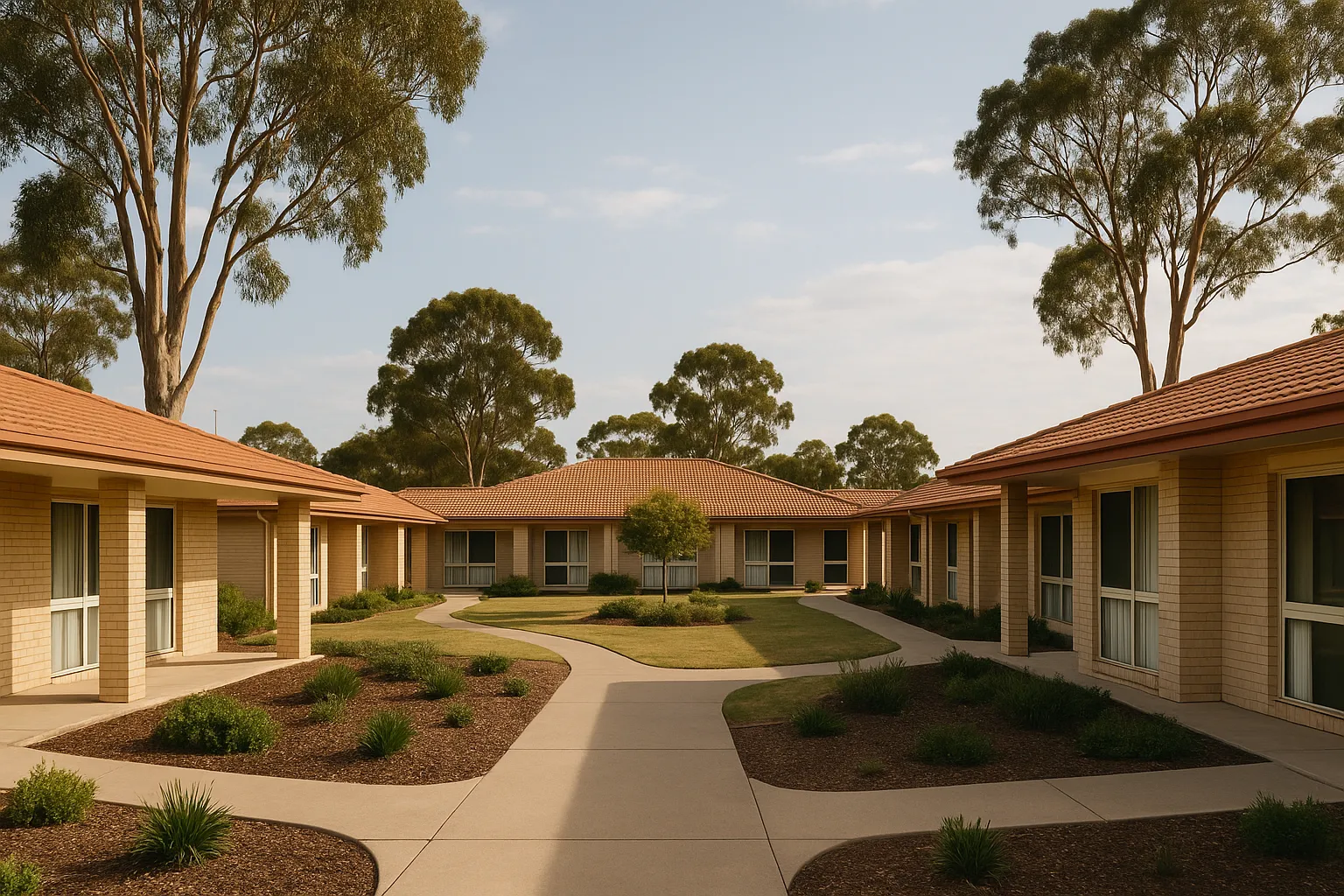
Close to 27,000 Australians are sitting on retirement village waitlists right now, unable to downsize out of family-sized homes because the accommodation they want hasn’t been built. The 2025 PwC-RLC Retirement Census counted 26,825 registrations nationally, and every one of those represents a three- or four-bedroom house that would typically turn over but isn’t.
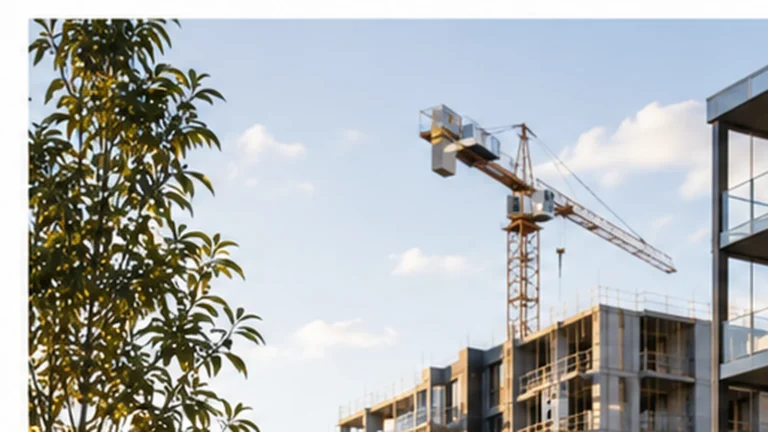
That’s the hidden supply cost. The pipeline for new retirement accommodation has effectively stalled: planning delays, regulatory layers, and funding constraints are preventing construction at the pace demand requires. Meanwhile, the cohort aged over 75 is forecast to surge 64 per cent by 2040, pushing past 282,000 residents. The queue is lengthening while the system that should be clearing it has hit a wall.
The state-by-state breakdown
New South Wales accounts for 7,826 waitlist registrations, 1,297 metro Sydney, 6,529 regional. Victoria sits at 863 (582 Melbourne, 281 regional). South Australia holds 4,775 people in the queue, most of them in metro Adelaide. Queensland has 2,432 waiting, split fairly evenly between Brisbane and regional centres. Western Australia’s count is 4,464. The ACT figure is 6,430, disproportionately high for population size, pointing to either acute undersupply or a demographic skew toward retirees seeking proximity to Canberra’s health infrastructure.
Tasmania’s 135 registrations look modest, but scale that against the state’s smaller base and the ratio tells a similar story.
Why the pipeline collapsed
Retirement village projects are getting stuck in multi-year approval cycles. State planning frameworks treat them as special-purpose developments, triggering additional consultation rounds, zoning reviews, and infrastructure contribution charges that standard residential builds don’t face. Operators report projects disappearing into what one industry representative described as “a maze of planning delays, regulation and red tape.”
Funding models add another constraint. Retirement villages typically operate on deferred management fee structures rather than upfront sales, which changes the risk profile for financiers. When interest rates climbed, the cost of holding land through extended approval timelines made marginal projects unviable. The result: a sharp drop in new starts exactly when demographic demand is accelerating.
The downstream housing effect
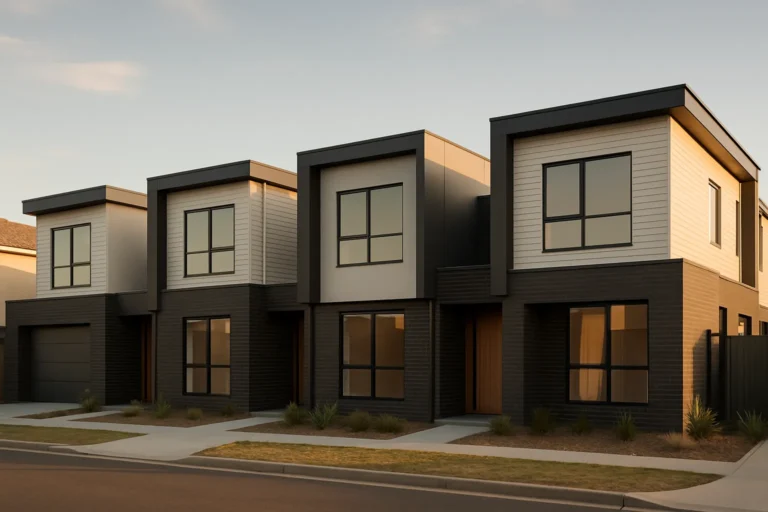
Every retiree who moves into a village typically vacates a three-bedroom detached house or a large apartment, the stock families compete for. When that turnover stalls, the supply chain breaks at both ends. Retirees stay put because villages are full, so family homes don’t enter the market, which tightens supply for upsizers and first-home buyers alike.
The census shows 54.4 per cent of those waiting want a two-bedroom unit, 29.2 per cent are seeking three bedrooms or more, and 15.6 per cent want a one-bedroom home. The mismatch isn’t just about volume, it’s about bedroom count and the homes those moves would free up.
The catch
- NSW waitlist: 7,826 registrations, majority regional
- SA per-capita queue exceeds national average despite Adelaide’s lower prices
- ACT figure of 6,430 is proportionally the highest nationally
- 73% of villages already provide at-home support services, easing aged care pressure
- Average wait time unreported, but operators describe eight-month queues for preferred units
Who this affects and how the bottleneck compounds
Retirees in their mid-seventies who want to move before health or mobility declines are the immediate group stuck. But the effect cascades: adult children inherit or manage parents’ homes later than expected, often while juggling mortgage stress themselves. The multigenerational household trend that’s emerging as a fallback option isn’t always by choice, it’s often because the planned retirement village move never happened.
For the downsizer housing market more broadly, this adds another friction point: even retirees motivated to sell face a choice gap. Sell into an uncertain market and rent while waiting for a village spot, or stay put until a unit becomes available? Most choose the latter, which keeps family homes off the market for another twelve to eighteen months.
What the demand forecast says
The over-75 cohort is projected to grow 64 per cent by 2040, reaching 282,000-plus residents in retirement villages. That’s an additional 71,000 people compared to today’s base. If the current supply pipeline can’t clear a 27,000-person waitlist, the gap sixteen years out looks structural, not cyclical.
Industry data shows 73 per cent of villages already provide support-at-home services, 59 per cent directly, 14 per cent via external providers. That positions villages as a release valve for hospital bed-block and aged care system pressure, but only if the accommodation exists. The service model is ready; the physical stock isn’t.
The approval and funding barriers
State planning systems are the primary choke point. Retirement villages often require rezoning or special development approvals that add twelve to twenty-four months to timelines. Infrastructure contribution charges vary widely by state, South Australia’s settings differ from Victoria’s, which differ again from Queensland’s, but all add cost that gets passed through to residents or makes projects marginal.
Funding constraints tightened when rates rose. Retirement village operators typically finance construction via debt secured against future deferred management fee income, not upfront sale proceeds. Higher borrowing costs plus longer approval timelines mean more projects pencil out as unviable. The result: a pipeline that’s shrinking exactly when it should be expanding.
Scenarios over the next five years
Base case: waitlists grow faster than completions, the gap widens, and family-home turnover stays suppressed in retiree-heavy suburbs. State governments talk about streamlining approvals but implementation lags, so the pipeline adds capacity slowly.
Upside: one or two states adopt fast-track approval pathways specifically for retirement villages, treating them as essential infrastructure rather than discretionary development. Funding models adjust, perhaps via government-backed debt instruments or Build-to-Rent-style structures adapted for retirement housing, and the pipeline accelerates. Waitlists start clearing within three years.
Downside: planning delays persist, funding stays tight, and operators exit the sector or pivot to aged care facilities instead (different regulatory framework, different economics). The waitlist tops 40,000 by 2028, hospital pressure mounts, and the family-home supply lock-up becomes a visible policy failure.
What would need to change
Faster approvals are the obvious lever: state planning ministers could designate retirement villages as code-assessable in suitable zones, cutting assessment timelines from eighteen months to six. Infrastructure charges could be waived or deferred for projects that meet demographic need tests.
Funding settings matter too. If state or federal housing agencies offered concessional debt for retirement village construction, similar to social housing finance models, projects currently on the margin become viable. That’s a policy choice, not a technical constraint.
The alternative is to let the queue keep growing while family homes stay locked and the aged care system absorbs people who would have preferred village living but couldn’t access it.
Practical take for retirees and their families
If you’re in your early seventies and thinking about a retirement village move within five years, register on waitlists now, plural, not singular, and ask operators for realistic timelines, not marketing projections. Eight-month waits for preferred units are already common; that’s likely to stretch longer.
For adult children managing aging parents’ housing decisions: factor the waitlist delay into any assumption that Mum and Dad will downsize soon. If the village move is two years out instead of six months, the family home stays off-market for that period, which affects inheritance timing, capital gains, and aged care deposit planning.
If you’re watching this as a housing supply story: the retirement village bottleneck is a real constraint on family-home turnover, but it’s fixable with policy changes at state level. The question is whether planning ministers treat it as urgent or let it drift.
Subscribe to the newsletter for weekly housing supply and policy analysis.
General info, not financial advice.