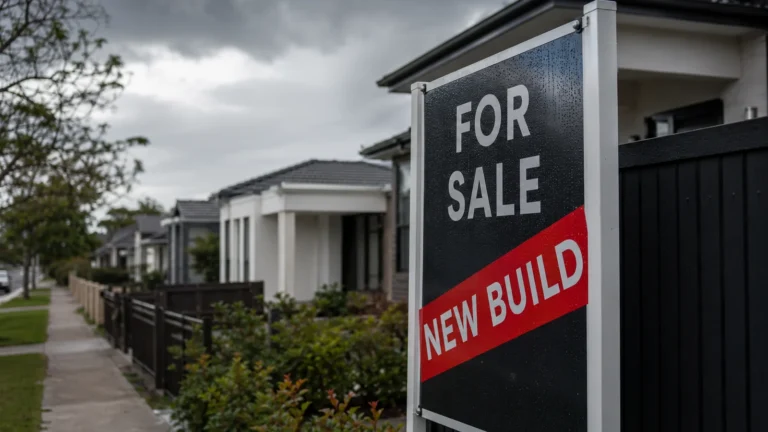
The negative gearing shake-up is already changing buyer behaviour.
By limiting negative gearing for established homes while keeping it available for new properties, the federal government has created a clear incentive: if investors still want the tax benefit, they need to look at new dwellings.
That sounds simple. It is not.
The rush into new apartments may help developers sell stock and support housing supply. But it may also push more investors into the same lower-priced apartments that first-home buyers are using as their last realistic entry point.
And for investors, the bigger question is whether the tax benefit is strong enough to offset tighter yields, high body corporate costs, slower resale demand and the risk that today’s “new” apartment becomes tomorrow’s ordinary second-hand unit.
The tax shift has changed the shopping list
The policy change has done what policy changes usually do. It has moved incentives.
Investors who previously compared established houses, older units and new apartments now have a sharper tax reason to look at new stock. That is especially true for off-the-plan one- and two-bedroom apartments in markets where entry prices are still lower than detached housing.
Developers are already seeing the change. Meriton reported a 20 per cent lift in investor traffic through its display centres after the budget, with interest across projects in Sydney and the Gold Coast.
That does not mean every investor is suddenly buying. Display suite traffic is not the same as signed contracts. But it does show where attention is moving.
The part that did not change is the investment maths.
A new apartment still needs to work on rent, vacancy risk, body corporate costs, settlement risk, resale demand and long-term supply. Negative gearing can improve the after-tax position, but it does not turn a weak asset into a strong one.
Australian Property Review has already explored this broader tax issue in Negative gearing grandfathering may trap investors, where the key risk is that existing landlords may gain an edge future buyers do not have.
In plain English
Negative gearing lets an investor offset rental losses against taxable income.
If the rule is narrowed for established homes but kept for new builds, investors have a reason to redirect demand into newly built apartments.
Here’s the catch: tax treatment is only one part of the return. If the rent is weak, costs are high, or resale demand is thin, the tax benefit may not be enough to protect the investment case.
First-home buyers may be squeezed from both sides
The second-order effect sits with first-home buyers.
As house prices have moved further out of reach, many first-home buyers have shifted their search towards apartments. Not always because apartments are their first choice, but because the deposit and borrowing power required for a detached home has moved beyond reach in many suburbs.
Now investors are being pushed into the same product.
That matters most in the lower end of the new apartment market. One- and two-bedroom stock below major price thresholds is where affordability policy, investor demand and developer pricing can collide.
The risk is not that every first-home buyer gets locked out. The risk is that the buyer pool gets more crowded just as borrowing power remains tight.
Australian Property Review has covered a similar problem in First-home buyer scheme may be pushing prices higher, where extra buyer support can lift demand faster than supply can respond.
The same logic applies here.
If policy pushes more investors into new apartments without quickly adding enough completed homes, the first impact may be higher competition, not better affordability.
Supply is still the real test
The strongest argument for keeping negative gearing on new builds is supply.
Australia needs more homes. If investors help developers secure enough pre-sales to get apartment projects funded, that can support construction. In theory, more investor demand for new stock should help more apartments get built.
But the timing matters.
A buyer can sign a contract today. A building may take years to complete. Planning delays, construction costs, financing hurdles and labour shortages can slow the conversion from “pipeline” to actual keys in doors.
That is why the supply story can be true and still disappoint in the short term.
Queensland and Western Australia show the pressure clearly. Both absorbed a larger share of population growth than their share of new completions between 2020 and 2025, according to market analysis cited in the original reporting. That imbalance helped support sharp price gains in both states.
More approvals or launches help, but they do not fix the shortage overnight.
For a clearer read on that pipeline problem, Australian Property Review’s Dwelling approvals rise, but supply risks remain explains why better approvals data does not automatically mean enough homes will be delivered.
Investors still need to pressure-test the numbers
The danger for investors is buying the tax rule instead of buying the asset.
New apartments can work well in the right location. They can offer low maintenance, tenant appeal, depreciation benefits and easier entry prices than houses.
But the risks are real.
Off-the-plan buyers face settlement risk if valuations come in below contract price. They also face competition from other similar apartments in the same building or precinct. If dozens of near-identical units hit the rental market at once, rents can soften or incentives can rise.
Then there is resale.
A new apartment carries a marketing premium. Once it is no longer new, the next buyer may compare it with fresh stock down the road, older apartments with larger floorplans, or townhouses with more land content.
That does not make new apartments bad. It means the margin for error is narrower.
A simple rule of thumb: if the deal only works because of negative gearing, it probably needs another look.
Borrowing power may decide who actually buys
Tax settings may influence what investors want to buy. Credit settings determine what they can buy.
Higher rates, tougher serviceability tests and weaker household cashflow still shape the market. Investors may be interested in new apartments, but lenders still assess income, debt, expenses and buffers.
That matters because investor demand can look strong in inquiry numbers before it shows up in loan approvals.
Australian Property Review has already examined this wider borrowing power problem in RBA Rate Hikes Put Jobs and Borrowers on Notice, where higher rates do not just lift repayments. They also reduce buyer firepower.
For first-home buyers, the same issue applies. If repayments are already stretched, a small lift in purchase price can push a buyer out of contention. In a tight segment, that can be enough to change who wins the contract.
What could knock the rush off course
There are four main risks to watch.
First, yields may not keep up with prices. If investors bid up new apartments faster than rents rise, cashflow gets harder.
Second, construction delays could drag out settlement timelines. That can expose buyers to valuation risk and changing lending conditions.
Third, too much similar stock in one pocket can create vacancy risk. Supply is needed nationally, but local oversupply can still hurt individual investors.
Fourth, policy uncertainty may keep some buyers cautious. If investors think the tax rules could change again, some may wait rather than commit.
The base case is not a clean boom in new apartments. It is more likely a split market. Well-located projects with strong rental demand and limited competing supply may attract serious buyers. Weaker projects may rely more heavily on tax-led marketing.
The practical take
If you are a first-home buyer, assume some new apartment projects will attract more investor competition. Do not just ask whether you can afford the price. Ask how many similar buyers are likely to be chasing the same stock.
If you are an investor, start with the property, not the tax benefit.
Pressure-test the rent, body corporate fees, settlement risk, vacancy rate, competing supply and resale market. Then run the numbers again without optimistic capital growth.
Start here: compare the after-tax position with the pre-tax cashflow. If the asset only makes sense after the tax deduction, the risk may be doing more work than the return.
Want the weekly signal without the property spin? Subscribe to the free Australian Property Review newsletter
General info, not financial advice.