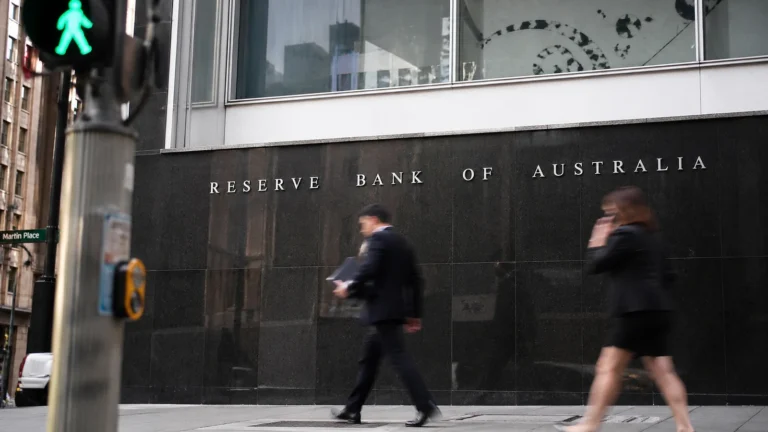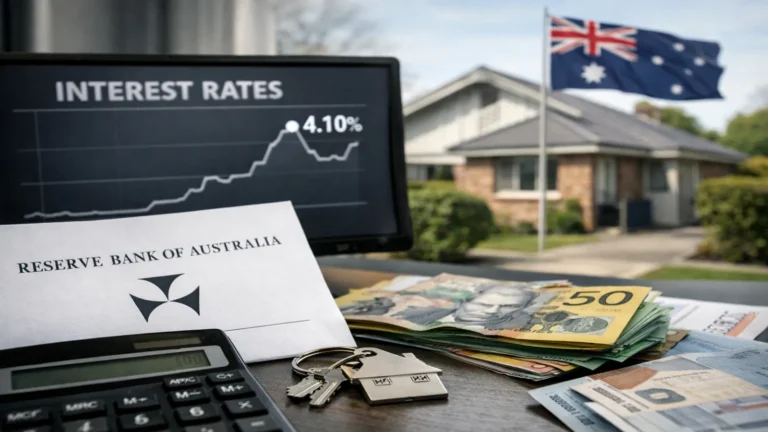
The Reserve Bank has made its choice.
Inflation is now the main fight. Jobs, growth and mortgage pain are still part of the equation, but they are no longer getting the same protection they once did.
The RBA lifted the cash rate by another 25 basis points to 4.35 per cent, marking a third straight increase and taking rates back to their post-pandemic peak. More importantly, the tone of the decision suggests the bank is not yet convinced it has done enough.
For borrowers, that matters more than the headline rate move.
One more hike would hurt. Two would change the maths again.
The signal from the RBA is hard to miss
This was not a cautious, reluctant increase.
Eight of nine board members backed the move, according to the supplied statement summary. That matters because it points to stronger conviction inside the central bank. In plain English, the RBA does not sound like a board looking for excuses to pause.
The bank’s own rate assumptions now point to the cash rate potentially moving towards 4.7 per cent if inflation does not come back under control. That would put Australia back in mid-4 per cent cash rate territory, something borrowers have not had to deal with for a long time.
What changed is the RBA’s tolerance for pain.
What did not change is the basic problem: inflation is still too sticky, household budgets are already stretched, and property still runs on borrowing capacity.
Australian Property Review has covered this broader tension before in The RBA’s Inflation Trap Could Hit Property Harder Next, where the core issue was simple: higher inflation can force the RBA to keep policy tight even when growth is already slowing.
Why inflation is winning the argument
The RBA’s job is not just to react to today’s prices. It is trying to stop temporary price shocks from becoming permanent habits.
That is where the risk sits.
A burst in oil prices can lift petrol and transport costs. Suppliers then push for higher prices. Supermarkets, builders and service providers face higher input costs. Workers see living costs rise and ask for higher wages. Businesses then lift prices again to protect margins.
That loop is what central banks fear.
It is called second-round inflation. It means the first shock feeds into other prices and becomes harder to unwind.
The Middle East conflict adds another layer because energy costs can move quickly. But the RBA’s concern is bigger than oil. Inflation was already running too hot before the latest geopolitical shock. That gives the bank less room to wait and hope.
In plain English
The RBA is not hiking because it wants weaker growth. It is hiking because it fears inflation expectations becoming harder to control. The catch is that the tool it uses, higher interest rates, hits borrowers and job security before it fixes every source of inflation.
Borrowers are the first to feel it
Rate hikes work through pressure.
Mortgage repayments rise. New buyers can borrow less. Investors need bigger cashflow buffers. Businesses delay spending. Consumers cut back.
That does not happen evenly across the economy.
A household with no debt may feel inflation more than rates. A household with a large variable mortgage feels both. A first-home buyer may not have a mortgage yet, but still gets hit through lower borrowing capacity and tougher bank assessment.
This is where property buyers need to be careful.
Even if prices do not fall immediately, borrowing power can fall quickly. Australian Property Review has explained this in Sydney and Melbourne housing downturn warning, where higher serviceability tests reduce what buyers can borrow before they even make an offer.
That is the quiet part of rate hikes.
The market does not need every buyer to disappear. It only needs enough buyers to lose firepower.
The jobs risk is now closer
The RBA still expects the economy to grow, but at a slower pace. The supplied forecasts point to growth around 1.3 per cent next year, down from 1.6 per cent, and unemployment peaking around 4.7 per cent.
Those are not crisis numbers.
But they do show a weaker economy.
Here’s the catch. Labour markets often look fine until they do not. Businesses do not usually cut staff the moment rates rise. They wait, absorb margin pressure, slow hiring, reduce hours, delay projects and then, if demand keeps weakening, cut jobs.
That lag is why rate cycles can feel manageable right up until households start losing income.
For property owners, employment is the real stress test. A higher repayment is painful. A higher repayment after a job loss is a different problem entirely.
Property does not get a clean read from this
The property market can handle bad news when one pressure is offset by another.
Higher rates hurt, but strong jobs help. Weak growth hurts, but falling inflation can bring rate relief. Low supply supports prices, but tight credit caps how much buyers can pay.
The problem now is that several pressures are pointing in the wrong direction at the same time.
Rates are high. Inflation is sticky. Growth forecasts are weaker. Confidence is soft. Oil prices could feed into costs. Borrowers have less room for mistakes.
At the same time, housing supply remains tight in many markets, rents are still under pressure, and population demand has not vanished. That means this is unlikely to become one clean national property story.
Some markets may hold up because supply is scarce. Others may weaken because buyers simply cannot make the repayments work.
For investors, the key issue is not just whether prices rise or fall. It is whether the property can survive the holding period.
That means allowing for:
- higher interest costs
- vacancies
- insurance increases
- strata and maintenance
- land tax
- refinancing risk
- slower rent growth if tenants hit affordability limits
If the deal only works when rates fall quickly, it is not a defensive deal.
The part buyers should not ignore
The danger now is not just the next RBA decision. It is the assumption that rate relief must arrive soon.
A lot of property decisions made over the past year were built around the idea that the tightening cycle was close to done. That may still prove true, but it is no longer safe to treat it as the base case.
Australian Property Review’s guide on cash savings and inflation makes a related point: buffers matter more when inflation and rates are both moving against households.
A buffer is not dead money in this environment. It is decision insurance.
It gives borrowers time to refinance, time to absorb higher repayments, and time to avoid selling into a weak market.
What could change the RBA’s mind
The rate-hike case is not locked in.
There are several things that could slow or stop it.
Inflation could cool faster than expected. Oil prices could fall back. Consumer spending could weaken sharply. Business confidence could crack. Unemployment could rise faster than the RBA wants. Wage growth could ease without a major job-market shock.
Any of those would give the bank a reason to pause.
But the reverse is also true. If fuel prices stay high, suppliers keep pushing through increases, wage pressure remains firm and households keep spending, the RBA may decide it has to lean harder.
That is why borrowers should not build their next move around one forecast.
A better approach is to test three scenarios.
Base case: rates stay high for longer than expected.
Downside case: another one or two hikes arrive and unemployment rises.
Upside case: inflation cools, the RBA pauses, and rate relief comes back into view.
If your property plan survives only the upside case, it needs more work.
Bottom line
The RBA’s latest move is not just another 25 basis points.
It is a message.
Inflation credibility now comes first, even if the cost is weaker growth, softer consumption and a higher unemployment rate. That does not mean the economy must buckle. It does mean borrowers and buyers should stop treating rate relief as guaranteed.
Start here: update your borrowing capacity, then pressure-test repayments at a rate higher than today’s, not lower.