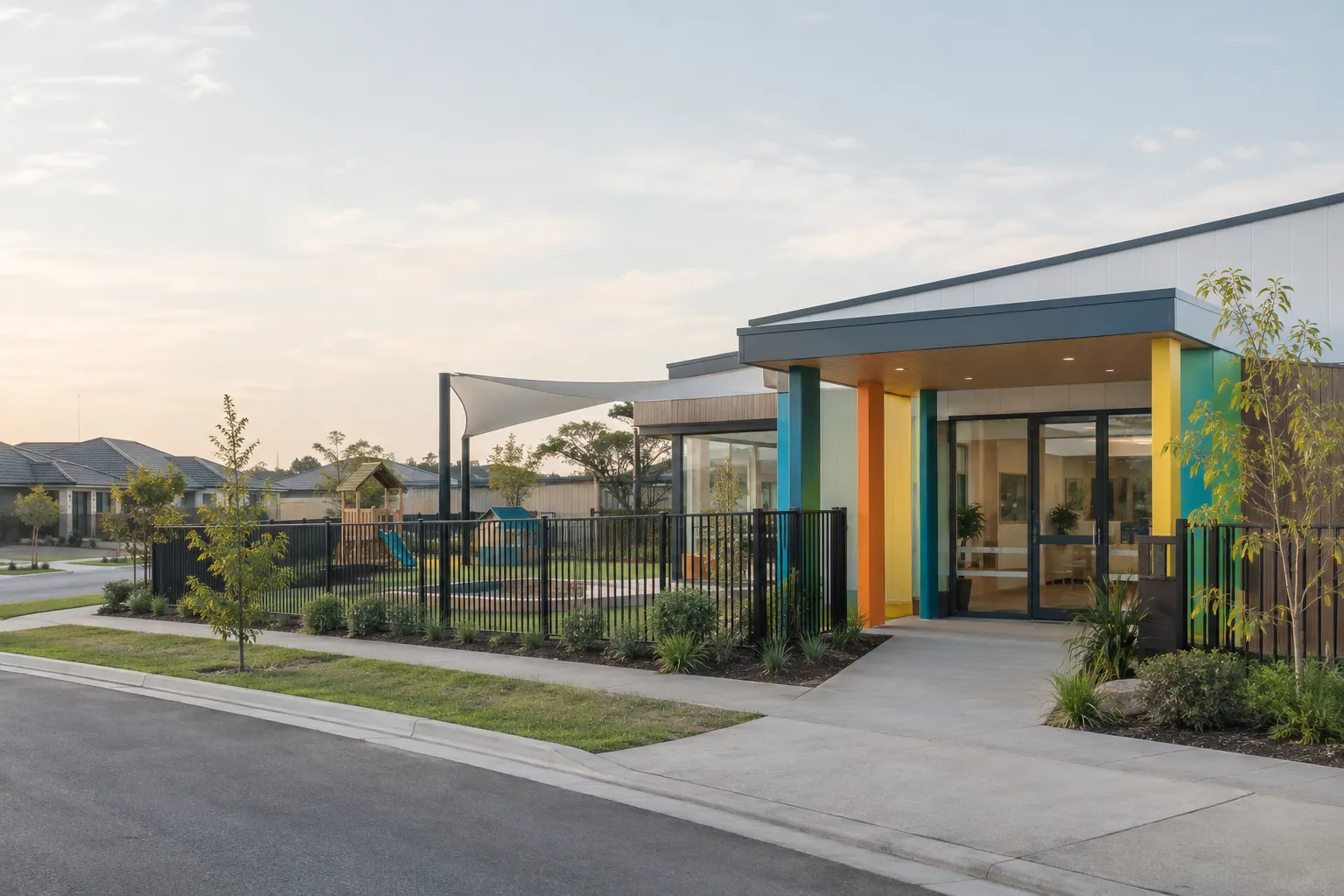
Childcare property investment used to be sold as a simple story: long leases, essential service, steady rent. That story is getting more complicated. Capital is still flowing, with more than $1.44 billion of national transactions recorded in 2025, but the market is now being priced one location and one operator at a time.
If you own, or are thinking of buying, a centre, the headline lease term tells you less than it used to. Here is why.
A market that has stopped moving as one
Broad optimism is giving way to selectivity. Well-located centres with strong operators still attract buyers. Centres in oversupplied suburbs, or leased to stretched operators, are where landlords are picking up tenant, rent and vacancy risk.
The operator side is under pressure from several directions at once:
- Falling birth rates, which shrink the pool of children over time
- Affordability pressure on families
- Higher wages and compliance costs
- Staffing shortages that cap how many places a centre can actually fill
Industry income reached roughly $23.6 billion in 2025. But growth is forecast at about 3.5 per cent a year over the next five years, down from 6.7 per cent previously. Revenue is still rising. It is just rising more slowly while costs keep climbing, and that is a margin squeeze.
Why a 10 to 15 year lease is not the whole protection
Leases in this sector typically run 10 to 15 years. That looks reassuring, and it does help. But a lease is only as good as the tenant’s ability to keep paying it.
In plain English: the building is a promise, and the operator’s finances are what keep the promise. If an operator’s rent takes too big a share of its revenue, it has little room to absorb a wage rise, a fee cap or a few empty places. When that operator fails, the landlord is left with the asset, not the income.
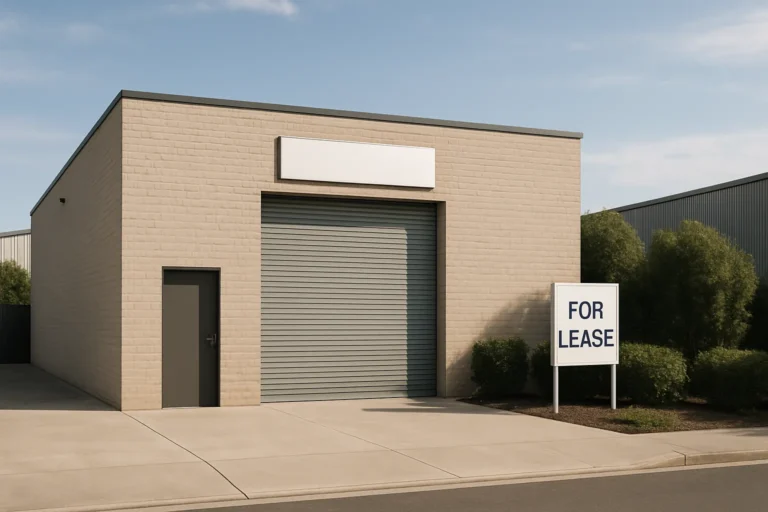
That matters more here than with a shop or an office. Purpose-built childcare centres have limited alternative uses. Re-letting to a new operator is the realistic route, and in an oversupplied area that can take a long time. Converting the building is rarely a cheap fallback.
Oversupply is local, and it shows up in the numbers
Local supply decides whether a failed centre can be re-tenanted. Nundah in Queensland shows the split: 0.58 approved places per child, against a national average of 0.47. More places per child means more competition for the same enrolments, which weakens every operator in the area at once.
A centre in a suburb like that is a different investment from one in an undersupplied growth corridor, even if both carry the same lease length and the same headline yield.
Policy support helps, with strings attached
Government settings are not turning against the sector. The Worker Retention Payment now runs to 30 June 2028 at $3.6 billion, which supports wages. But eligible services face a 5.8 per cent fee-growth cap from 8 August 2026 to 7 August 2027. A cap limits how much of the cost pressure operators can pass on to families, so it can tighten margins just when wages and compliance costs are rising.
Where buyers are getting cautious
Buyer demand also thins above $7 million. That is a liquidity point as much as a pricing one. If you need to sell a larger asset, the pool of buyers is smaller, and a distressed or short-lease asset will test it further.
There are pockets of opportunity. Older leases with rent reviews coming up can offer a chance to reset income. Reduced developer activity may also ease the supply pressure in some areas over time. These are conditional upsides, not a rule that the sector will rebound.
What it could mean for families
If operator failures spread, the effects flow beyond landlords. Mass closures could mean fewer places and longer waitlists, and eventually higher fees, especially in growth corridors where demand is strongest. Weak operator economics and tight supply for families can coexist, depending on the location.
What investors can check before buying or holding
A rule of thumb: judge the operator and the suburb first, the lease second.
- Ask for the operator’s rent-to-revenue ratio. A high share leaves little buffer.
- Check approved places per child in the catchment against the national 0.47 benchmark.
- Review the rent review schedule and whether the current rent is realistic after recent wage and fee changes.
- Look at who else is building or planning nearby.
- Stress-test your own holding: what happens to cashflow if the centre sits vacant for 12 months?
For wider context on how income property behaves compared with housing, see our look at commercial property income as an alternative to residential. And if you hold the asset with debt, funding costs matter too, as mortgage stress analysis shows.
Key numbers
- $1.44 billion+ in national childcare property transactions in 2025
- $23.6 billion industry income, with growth forecast near 3.5 per cent a year
- 0.58 approved places per child in Nundah versus 0.47 nationally
- 5.8 per cent fee-growth cap from 8 August 2026 to 7 August 2027
The next step: before you rely on any lease term, get the operator’s numbers and the local places-per-child figure.
Subscribe to the newsletter for weekly property signals.
General info, not financial advice.