Residential investors looking sideways at commercial property after the negative gearing changes need to know this: the asset class divides sharply between sectors you can run with modest capital and expertise, and sectors that now demand institutional scale or specialist knowledge to navigate safely.
The policy shift has displaced capital. Some of that money will find a productive home in commercial property. Some will chase returns into complexity it cannot price properly. The difference comes down to picking the right sector, not just the right tenant or yield.
The sectors that split cleanly for smaller investors
Commercial property used to mean office towers, retail strips and industrial sheds. Today the label covers medical suites, cold storage facilities, data centres, logistics hubs, and assets shaped by environmental compliance requirements that barely registered a decade ago.
That diversity creates opportunity and trap doors in equal measure. Office vacancy hit 15.9 per cent nationally in the six months to January 2026, according to the Property Council of Australia. But Melbourne CBD sat at 19 per cent while Hobart recorded 5.2 per cent. Brisbane CBD led rental growth at 12.8 per cent over the year to Q1 2026, while Adelaide managed 2.0 per cent, CBRE Research reported.
Within a single city, prime and secondary grade office can move in opposite directions. Sydney CBD demand concentrated in premium and A-grade space over the six months to January, with secondary stock recording negative demand across the board, the Property Council data showed.
Industrial looks uniform at 3.2 per cent national vacancy in the first half of 2026, but Sydney posted the weakest rental growth in Q2 while Melbourne and Brisbane held firmer. Melbourne captured 44 per cent of national industrial investment sales by value so far this year, compared to 5 per cent each for Perth and Adelaide.
Retail splits the same way. Large format retail rents in Melbourne grew 12.7 per cent over the past year, more than double the rate in New South Wales and Western Australia, while South Australia stayed flat, according to CBRE.
Which commercial sectors suit individual investors right now
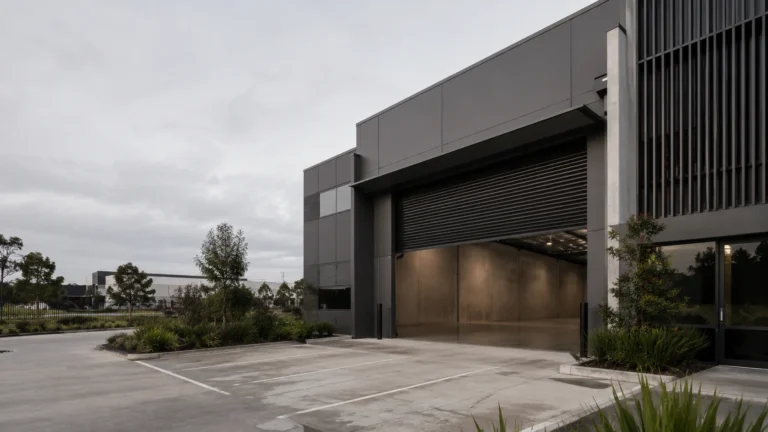
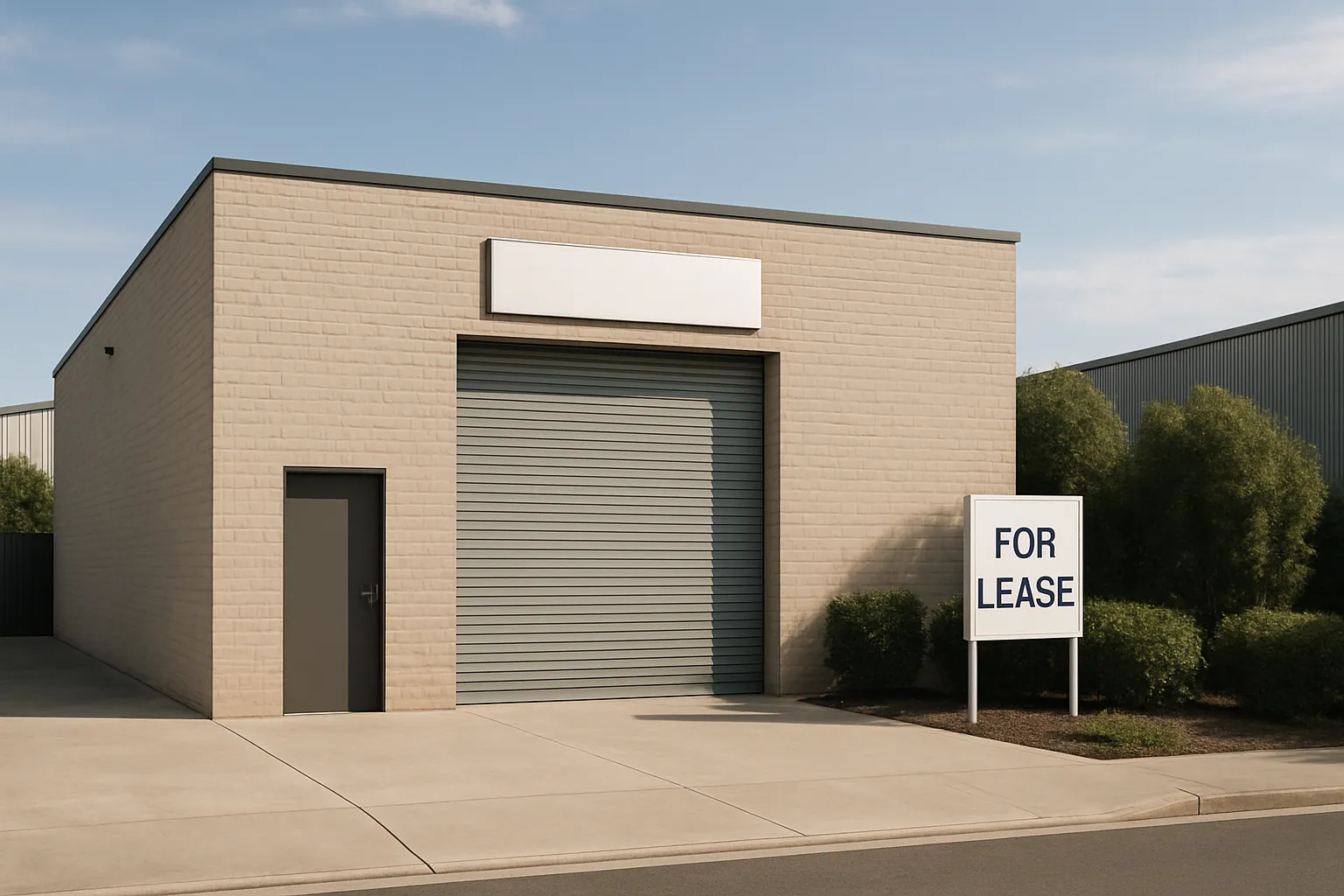
Two sectors remain accessible for smaller investors with residential backgrounds: industrial sheds under $2 million in outer metropolitan locations, and medical property in established health precincts.
Industrial sheds work because the tenant base is diversified (trades, logistics, small manufacturing), lease structures are simpler, and vacancy risk correlates closely with local employment rather than global capital flows or workplace policy trends. A small industrial unit in an established precinct with decent road access and standard roller door configuration does not require specialist asset management.
Medical property in the right location offers similar simplicity. A strata-titled consulting suite in a building anchored by a pathology provider or imaging centre, within 500 metres of a hospital, generates stable demand from GPs, specialists and allied health tenants who sign longer leases and maintain premises to a higher standard than most retail or office occupiers.
Both sectors let you apply residential due diligence skills (location, comparable sales, tenant quality checks) without needing to model energy infrastructure costs, ESG compliance paths, or obsolescence risk from hybrid work patterns.
The sectors now beyond individual investor scale
Office, prime retail and purpose-built logistics assets have moved into institutional territory. Not because returns are poor (some pockets are performing strongly), but because the information and capital required to navigate them safely exceeds what an individual investor working part-time can reasonably deploy.
Tracking office performance properly means monitoring vacancy, rental growth, incentives and yield movements across dozens of submarkets and multiple asset grades, in real time, across every state, then having the capacity to act before conditions shift. That is a research function, not a weekend task.
The same applies to data centres, cold storage and large format logistics. These assets depend on supply chain trends, energy grid capacity, and tenant credit profiles that require specialist analysis. Data centre boom puts Australia’s housing targets at risk shows how fast infrastructure priorities can reshape an entire sector.
The catch: Individual investors chasing higher yields into these sectors often underestimate how much the performance gap between best and worst assets within the same sector has widened. Office in Hobart is not office in Melbourne. Industrial in Melbourne is not industrial in Perth. Sector-level headlines no longer predict asset-level outcomes.
What this means for displaced residential capital
If you are a residential investor reassessing after negative gearing changes, the practical path is narrow. Start with a single small industrial unit or medical strata suite in a location you understand, hold it for a full cycle, and learn how commercial lease structures, outgoings reconciliation and tenant turnover actually work before adding a second asset.
Avoid office unless you have institutional-grade research support. Avoid retail unless the asset is anchored by a national tenant on a long lease. Avoid logistics unless you are buying into a fund structure with professional management and diversified geographic exposure.
The risk over the next twelve months is not complexity itself. It is investors who do not yet recognise which parts of the commercial market still suit their skill set and capital base, and which parts moved beyond their reach while they were focused on residential policy.
Commercial Property Vacancy Risk Is the Budget Blind Spot covers the broader fiscal context driving some of this reallocation.
Decision checklist before entering commercial
Before committing capital, pressure-test these five points:
- Can you explain why this specific sector in this specific location will outperform the national average for that asset type over the next three years?
- Do you have access to live vacancy and rental growth data for comparable assets within 2 kilometres, updated quarterly?
- Can you model a full lease cycle including tenant turnover, incentives, fit-out contributions and void periods?
- Do you understand the outgoings structure and whether the lease passes through rates, insurance, maintenance and management costs to the tenant?
- If the answer to any of these is no, are you prepared to pay for professional advice before settlement rather than after a problem emerges?
If more than two answers are no, industrial sheds and medical suites are the only two sectors where you can learn on the job without risking capital you cannot afford to lose.
What to watch over the next year
Three signals will clarify whether the inflow of residential capital into commercial is finding productive assets or chasing yields into sectors it cannot manage:
- The gap between advertised yields and realised returns once incentives, voids and capital expenditure are included
- The volume of sub-$2 million industrial and medical transactions versus larger office and retail deals
- Whether vacancy in secondary office and non-anchored retail continues widening while prime assets in the same cities tighten
Commercial property has not become impossible for individual investors. It has become segmented to the point where picking the wrong sector now carries more risk than picking the wrong suburb used to in residential.
Subscribe to the weekly newsletter for the data that separates sector headlines from asset-level performance.
General info, not financial advice.