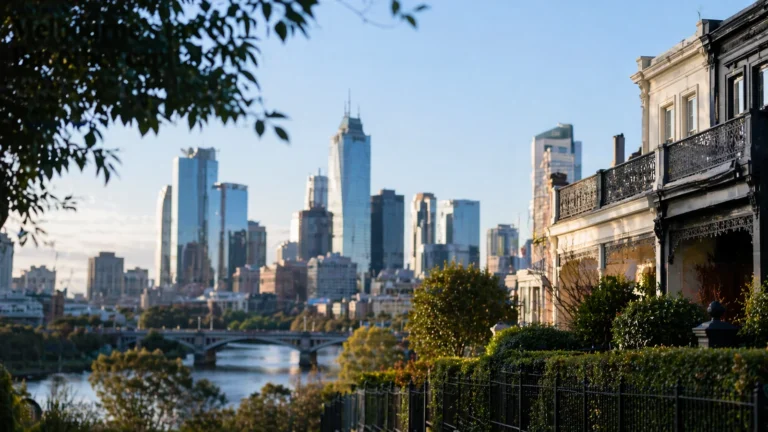
A price cap only works if prices stand still. In Melbourne they have not. About 18 suburbs now have typical home prices above the $950,000 limit on the federal 5 per cent deposit scheme, even though that ceiling was lifted by $150,000 for Melbourne and Geelong in October.
That is the awkward arithmetic for first home buyers. A scheme built to help them into the market is now locking them out of some of the places where entry-level stock actually sits.
Where the cap is being outrun
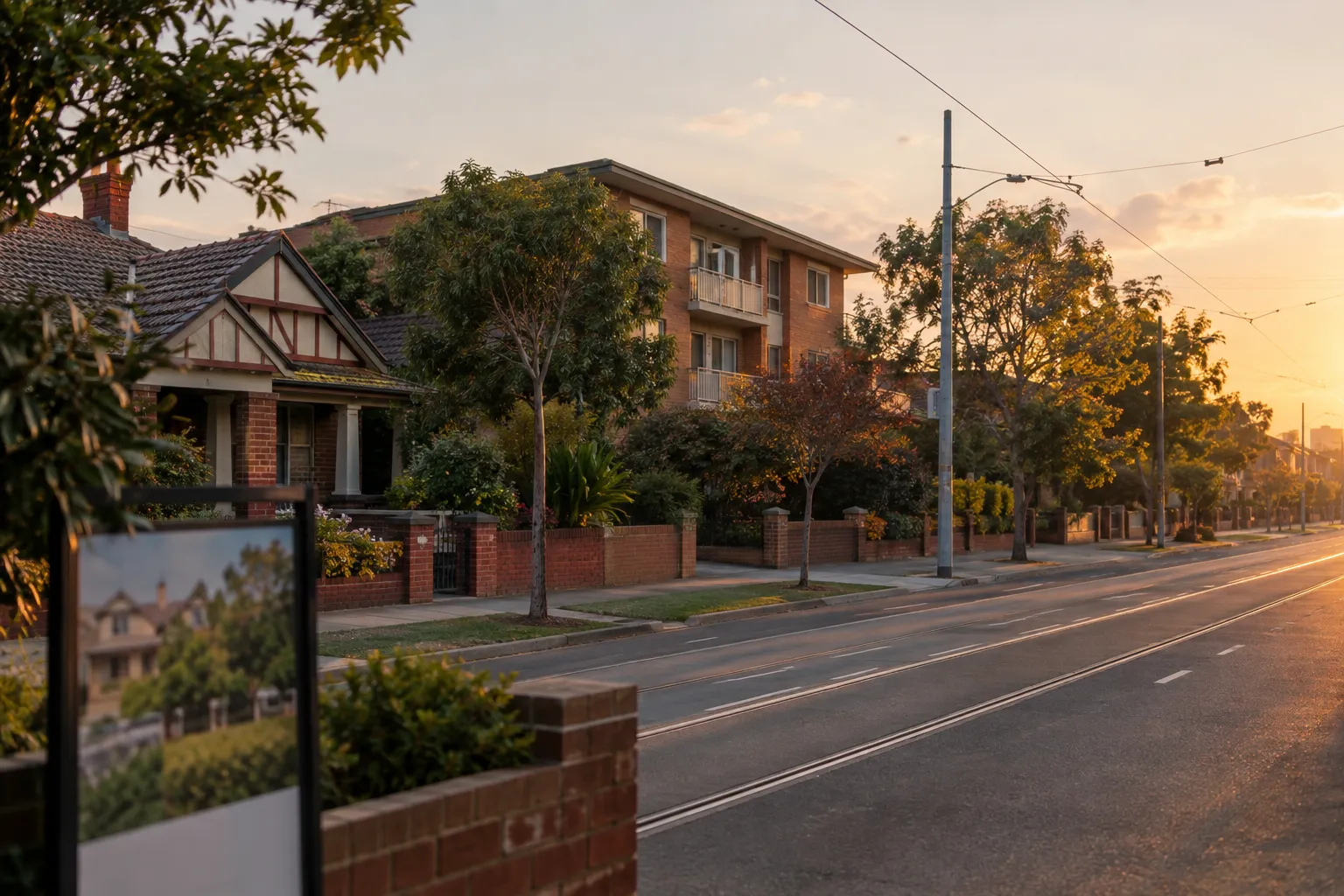
The sharpest move was in units. Templestowe’s typical apartment price jumped $171,500, or 21.2 per cent, in a year to reach $981,500. Ashwood hit $1.05 million and Camberwell sits at $995,000.
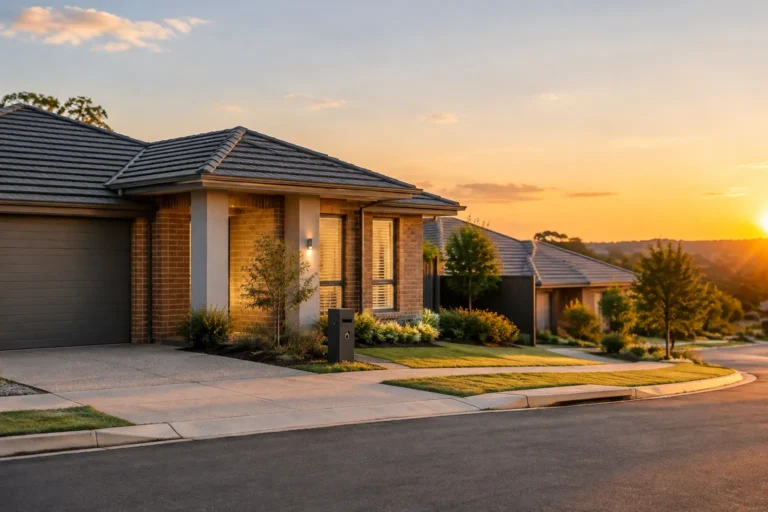
Houses are creeping up on the line too:
- Wandin North: $1.01 million
- Botanic Ridge: $1 million
- Cairnlea: $992,000
- West Footscray: $990,000
Another 30 suburbs sit between $900,000 and $950,000. They are one decent growth year from slipping out of reach.
The pressure is not only a Melbourne story. Regional Victoria is squeezed against a $650,000 cap, and East Bendigo’s median house price rose 25.4 per cent to $655,000.
The units surprise
Many buyers assume an apartment is the cheaper, safer way in. This data says otherwise. The Templestowe jump shows units can move faster than houses in a given pocket, which can leave a buyer who budgeted for a unit stuck above the line.
These gains also arrived while the wider Melbourne market is softening. That is the odd part. Strength is concentrated in a small set of suburbs, so a falling city average does not help someone who wants to buy in a specific, well-serviced area.
Key numbers
- Scheme cap, Melbourne and Geelong: $950,000
- Templestowe unit price: $981,500, up 21.2 per cent
- Regional Victoria cap: $650,000
- Mortgage needed at the cap with a 5 per cent deposit: $902,500
Eligibility is not the same as affordability
Here is the catch. A buyer purchasing right at the cap with the minimum deposit still needs a $902,500 mortgage. Getting under the price limit does not make the loan small.
A finance director argued the policy has lifted borrowing capacity rather than affordability. That is a reasonable reading, but the data cannot show how much of the price growth the scheme itself caused. Treat that as an open question, not a finding.
What buyers are doing about it
A buyer’s agent reports people giving up on preferred areas, pushing back their plans, or rentvesting. Rentvesting means renting where you want to live while buying elsewhere as an investment. It has a cost here: buying an investment property means forfeiting scheme eligibility.
So the cap is nudging behaviour in ways its designers may not have intended. Some buyers move to cheaper areas, which adds demand there. Others step back from buying altogether.
Is the cheaper end still open?
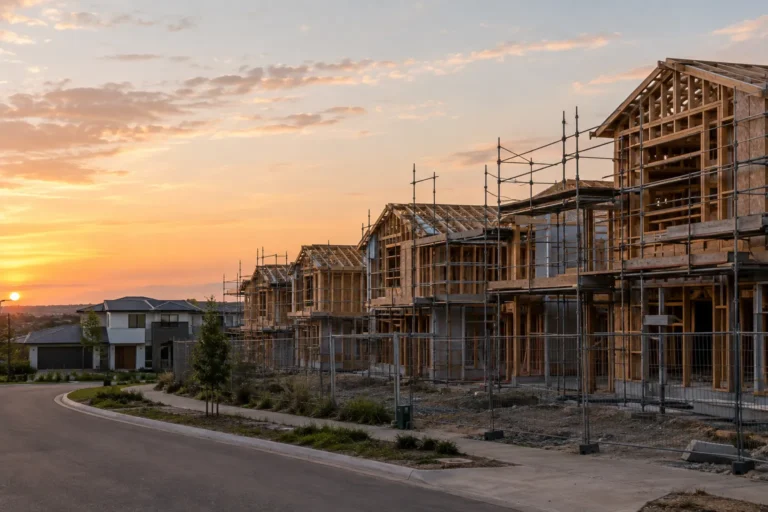
A developer says house-and-land packages from about $450,000 are holding steady, and points to confidence as the main barrier. That suggests there is still stock under the line, but often further out and in a different form from what buyers first wanted.
For policymakers, the lesson is structural. A fixed dollar cap sets a hard edge in a market where prices move unevenly. Any suburb that climbs past it drops out of the scheme overnight, and the buyers who most need help are often the ones chasing those suburbs.
What to check before you shop
If you plan to use the scheme, work backwards from the cap, not forwards from a wish list. Check the latest typical price for your target suburb and for the suburbs just beside it. Then test your repayments at a mortgage near $900,000, not at the purchase price.
Supply is part of the story too. Our look at Victoria’s 25,600 first-home-buyer homes asks whether that pipeline can actually be built. And our analysis of Mirvac’s housing downturn points to a supply gap ahead.
The cap will keep being outrun unless prices cool or the ceiling is lifted again. Know your numbers before you start inspecting. If you want the weekly signal, subscribe to the newsletter.
General info, not financial advice.