Industrial property vacancy across Australia has slipped to 4.6 per cent, while retail landlords just recorded one of the sharpest sentiment drops in a survey that tracks the whole commercial sector. Same economy, same quarter, very different mood. That gap is the story, and tighter finance is likely to make it wider.
Start with what changed. A national sentiment survey for the September quarter pushed its overall index down 15 points to +1, which is the long-run norm. It was a second straight quarterly fall. The 12-month outlook gauge dropped 10 points to +10. Respondents also said both debt and equity were harder to secure.
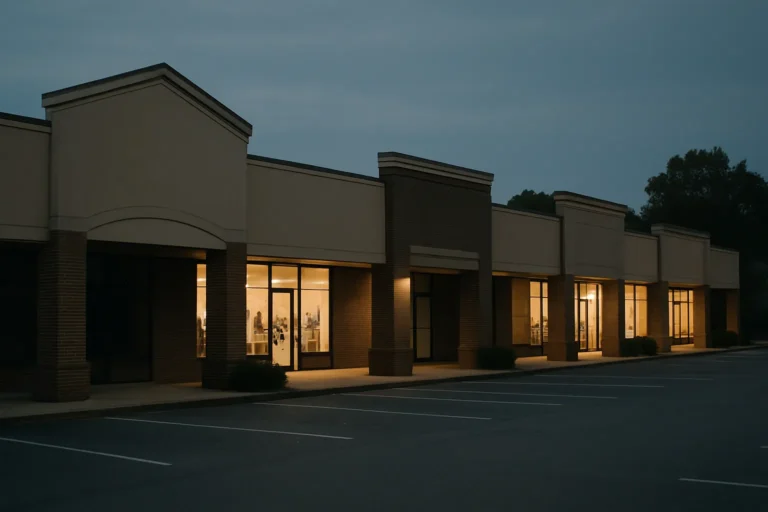
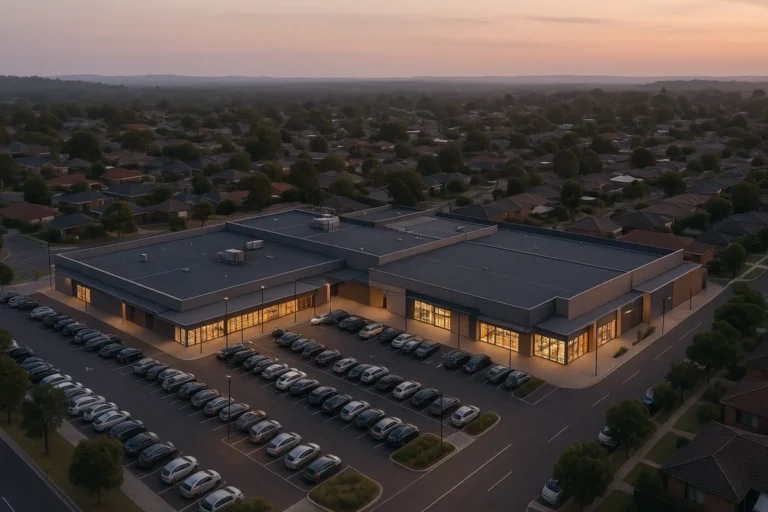
Then look at where the pain sits. Industrial scored +23 and its values are forecast to rise 1.2 per cent. Retail fell 27 points to -7, with values expected to slide 1.3 per cent. Office sentiment held at +9, though a 1 per cent decline is anticipated. Averaging those together hides the real picture: one sector is carrying the index while another is dragging it.
Record take-up, thin new supply
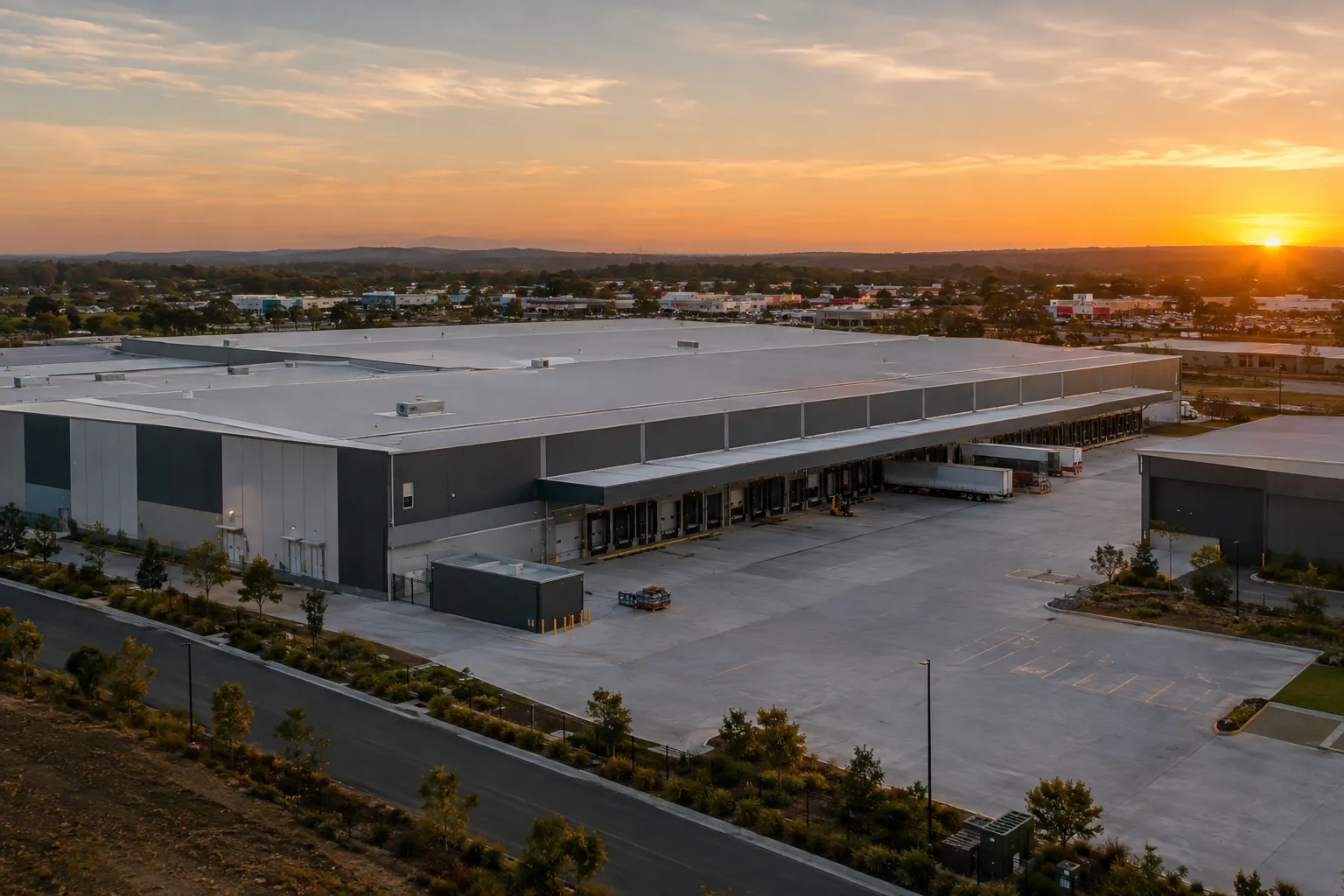
The industrial numbers come from brokerage research across five tracked markets. Take-up hit a record 1.49 million square metres, up 20 per cent on the previous quarter. National vacancy moved from 4.8 to 4.6 per cent. In the prime segment it fell from 4.2 to 3.7 per cent.
The mechanics matter more than the headline. Large pre-lease deals, running 132.9 per cent above the decade average, drove much of the result. Tenants from transport, postal, warehousing and retail trade made up 66.7 per cent of take-up. At the same time, completions fell 51.5 per cent to 280,400 square metres, and 70.7 per cent of what is being built is already pre-committed.
In plain English: demand is strong, new space is scarce, and what is coming is largely spoken for. That is a classic setup for firmer rents in the best buildings.
The catch inside the industrial boom
Not every warehouse benefits equally. Smaller operators are still hesitant, and the record take-up leans heavily on a few big commitments. Older, low-clearance buildings also struggle to host cost-effective automation, which is increasingly what large tenants want.
So the strength is concentrated in modern, prime stock. An investor holding a dated shed in a secondary pocket should not assume the national figure describes their asset. Prime vacancy at 3.7 per cent and overall vacancy at 4.6 per cent already hint at a two-speed market within the sector itself.
Why tighter credit widens the gap
This is where finance becomes the sorting mechanism. When lenders pull back, they rarely cut evenly. They favour assets with reliable income, strong tenants and defensible values, and they get pickier on anything that needs a story to justify the numbers.
Prime industrial fits the first description. Weaker retail, where confidence has just dropped sharply and values are forecast to fall, fits the second. A buyer chasing a retail asset in this climate may face higher margins, lower loan-to-value ratios, or simply a lender that says no. Less buyer capacity can then push prices down further, which feeds the very sentiment the survey is capturing.
For readers weighing options through a self-managed super fund or a private entity, the same logic applies. Our look at SMSF commercial property as the residential loan door shuts shows how much lender appetite shapes where investors can even go. And the yields versus high interest rates comparison is a useful reality check on whether income covers the cost of debt.
Key numbers
- Overall sentiment index: +1, down 15 points
- Industrial sentiment: +23, values forecast up 1.2 per cent
- Retail sentiment: -7, down 27 points, values forecast down 1.3 per cent
- Office sentiment: +9, values forecast down 1 per cent
- Industrial take-up: 1.49 million square metres, a record
A counterweight from the central bank
The picture is not uniformly grim for retail. The Reserve Bank’s October 2026 review noted improving retail rents and valuations, which runs against the survey’s pessimism. Surveys capture expectations and nerves. Rents and valuations capture what has already happened.
Both can be right at once. Sentiment tends to lead, and it can overshoot. But it also shapes lending decisions in real time, so a gloomy mood can become a self-fulfilling squeeze on weaker assets even if current rents look healthy.
What this means if you invest
Treat the sector label as the start of due diligence, not the end. Prime industrial has the data on its side: record take-up, falling vacancy, a shrinking pipeline. But it also carries the risk that good news is already priced in, and a tenant base that is more concentrated than the headline suggests.
Retail needs a harder look at income quality, lease length and tenant strength, because that is exactly what a cautious lender will test. If you rely on debt, check how your lender is viewing the specific asset type before you commit, not after.
For wider context on how finance conditions are filtering through development more broadly, see how pre-sale development loans are drying up in Perth.
If you want the weekly signal on property finance, rates and policy, subscribe to the Australian Property Review newsletter.
General info, not financial advice.