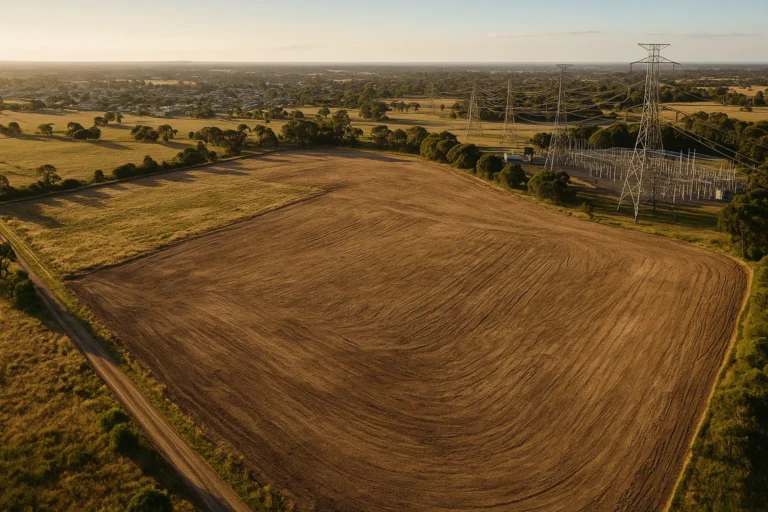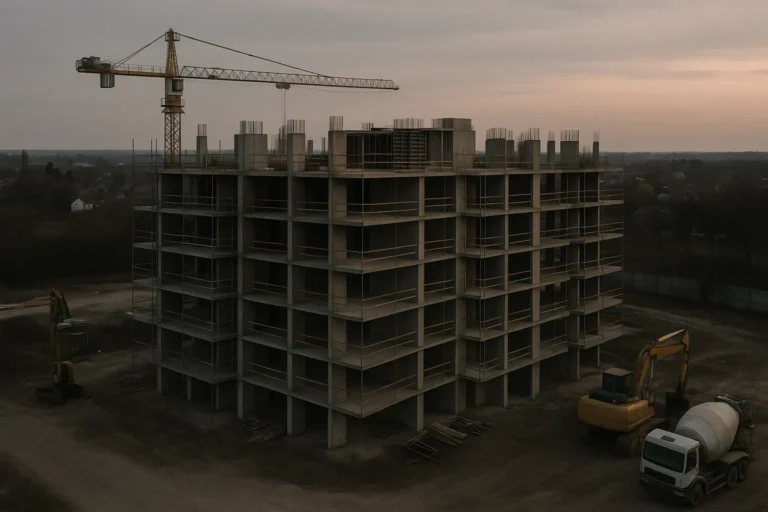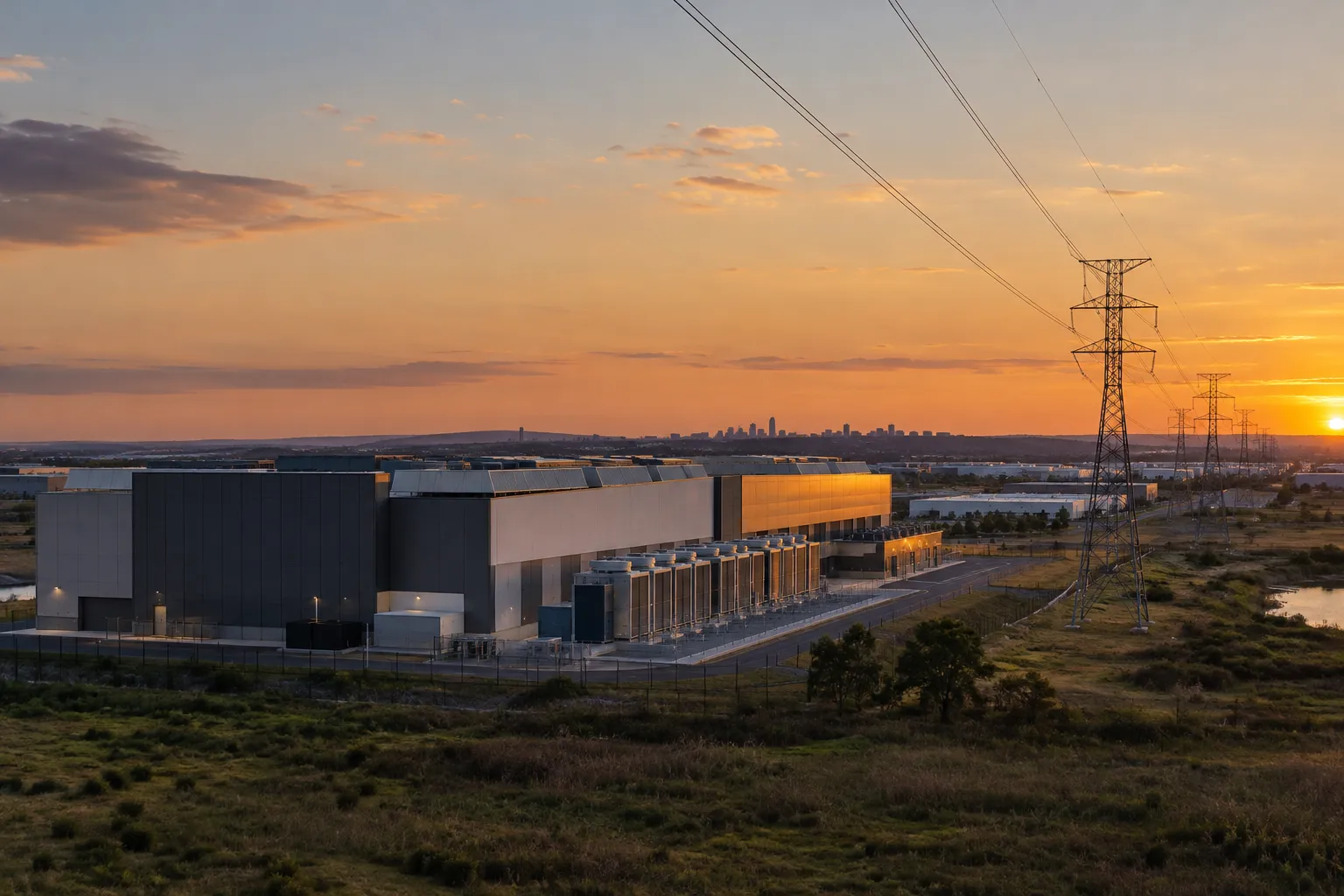
Goodman has told investors that a cancelled Sydney data centre will not stop its earnings from lifting by around 9 per cent. That is a confident message. It is also one that deserves a closer look, because the cancellation lands in a part of the market where a lot of valuation optimism has been built.
The key question is simple. Is this one project falling over for its own reasons, or is it an early sign that data centre expansion is hitting real limits on power and approvals?
The brief we are working from is thin on detail, so this piece does not claim to know why the project was cancelled. What we can do is lay out how to read the news, and what would tell you which way it is heading.
One cancelled project is not a trend, yet
A single cancellation tells you very little by itself. Large developments are cancelled or reshaped all the time. Tenants change their plans, sites fail due diligence, and funding terms shift.
What matters is the pattern. One exit in a pipeline of many is routine. A string of delays and withdrawals across several developers would be a different story. Right now the public evidence points to the first case, but it is early.
Power is the constraint to watch
Data centres are not like a standard warehouse. They need a very large, very reliable electricity supply, and they need it connected on a fixed timeline.
In plain English: a site can have the land, the tenant and the funding, and still stall if the grid cannot deliver enough power when it is needed. Connection queues and network upgrades can add months or years. Sydney’s established data centre corridors are also where demand has concentrated, so spare capacity there is not unlimited.
That makes grid access, rather than demand for the product, the most likely pressure point.
Approvals add a second layer of risk
Planning approvals for large, power-hungry buildings can draw scrutiny on energy use, water use, noise and local amenity. Approvals take time, and conditions can change the economics of a project.
This is the catch for developers. Even strong tenant demand does not help if a project cannot clear the approvals and power steps in the right order. A delay can ripple through leasing timelines, construction costs and the date rent starts flowing.
What it could mean for industrial valuations
Industrial property values rest heavily on rental growth and the assumption that development pipelines will convert on time. Data centres have become part of that story, because they promise long leases with strong tenants.
If the pipeline converts slower than expected, valuers and investors may trim growth assumptions. That would not necessarily mean falling values for traditional logistics assets. But it could narrow the premium attached to portfolios heavy on data centre exposure.
Goodman’s own message is that earnings are still on track. That may well prove right. The earnings lift is a near-term figure, while valuation questions play out over a longer period.
Three things that would change the read
Here is a rule of thumb for judging whether this is isolated or the start of something bigger:
- More cancellations or deferrals from other developers, especially in the same Sydney corridors.
- Public commentary on grid connection delays from network operators or the energy regulator.
- Changes in how listed landlords describe their pipeline, such as pushing out expected completion dates.
One of these alone is a footnote. Two or three together would suggest the constraint is real and broad.
In plain English
One cancelled data centre does not break a growth story. A pattern of power and approval delays would.
A practical way to think about it
If you hold industrial property exposure, directly or through listed vehicles, check how much of the stated growth depends on projects that are not yet built. Then check whether those projects have secured power and approvals, or are still waiting on them.
Projects with both locked in are far less exposed to this kind of surprise. Projects still waiting carry the timing risk that this cancellation has put back in focus.
If you want the weekly signal on markets like this, subscribe to the Australian Property Review newsletter.
General info, not financial advice.