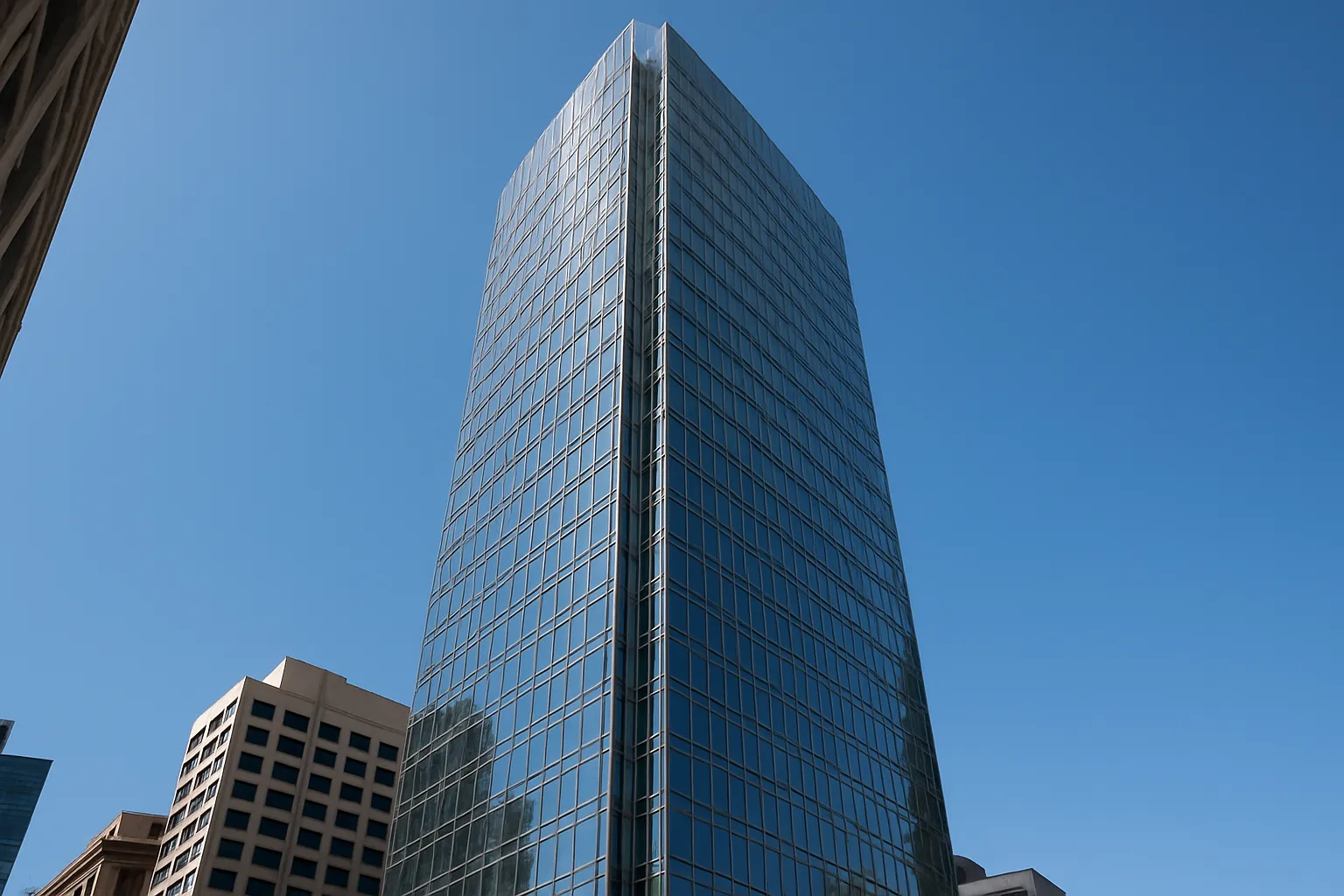
A Chinese insurance group is preparing to offload its stake in Sydney’s Salesforce Tower, a transaction likely to top $900 million. The move adds to a pattern of mainland capital pulling back from Australian commercial assets, but the reason why matters more than the headline.
Two explanations are in play. The first is China-specific: tighter capital controls, domestic liquidity pressures, and regulatory scrutiny of offshore holdings have made repatriation attractive regardless of the asset’s performance. The second is broader: international investors are reassessing Australian office exposure in light of vacancy drift, hybrid work persistence, and cap rate uncertainty.
The distinction matters because it tells you whether this is noise or signal for the wider market.
What drives offshore exits
Capital controls in China have tightened episodically since 2016, with particular focus on offshore property and insurance sector liquidity. When regulators push domestic institutions to repatriate funds or redirect capital toward mainland priorities, offshore assets get sold even when they’re performing.
That’s different from a market-driven exit. If the sale reflects doubts about Australian office fundamentals, vacancy creep, subdued rental growth, or cap rate expansion, it suggests international buyers are repricing risk across the sector.
The Salesforce Tower asset is prime grade, well-located, and anchored by a long-term tenant. If institutional money is exiting that profile, it’s worth asking what they’re seeing that domestic buyers aren’t.
Who’s circling and why it matters
Early reports suggest domestic investors are interested. That’s the tell. Local super funds, family offices, and REITs have been accumulating CBD office selectively, banking on a return to occupancy growth once the hybrid-work adjustment runs its course.
If domestic capital steps in at or near the reported price, it implies the exit is driven by the seller’s circumstances, not the asset’s prospects. If they negotiate meaningful discounts or walk away, it suggests the market is repricing.
The transaction will also clarify whether cap rates for prime Sydney office have stabilised or are still drifting wider. Recent comparable sales have been sparse, and pricing discovery in this segment has stalled.
The catch
- Prime office vacancy in Sydney CBD still sits above long-run averages
- Hybrid work has compressed net effective rents even where face rents hold
- Cap rate expectations vary widely depending on tenant covenant and lease duration
- Domestic buyers may be pricing in a rebound scenario that international investors no longer share
Offshore capital and the supply pipeline
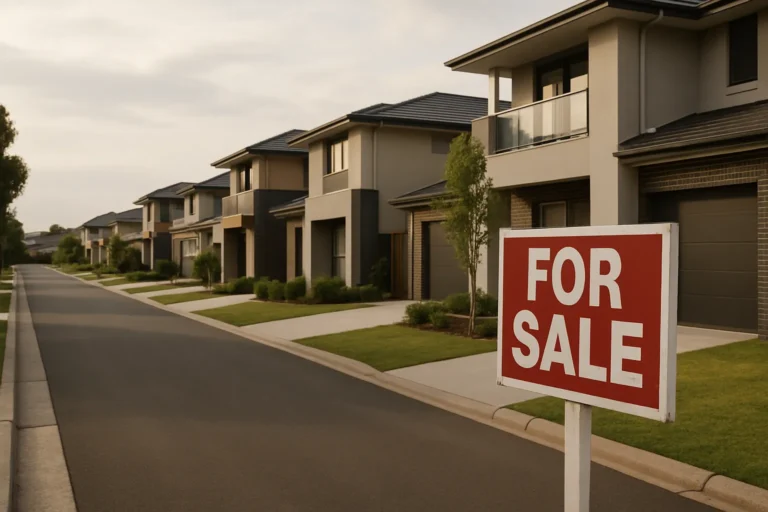
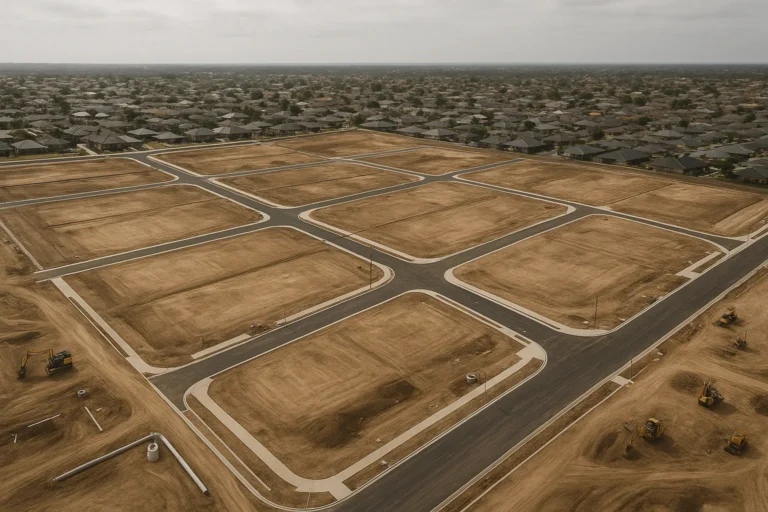
This sale sits within a wider shift in how foreign capital engages with Australian property. Office has cooled, but institutional money is flowing into residential and logistics, particularly where supply constraints and structural demand underpin the case.
The foreign capital housing supply story shows where offshore investors are still active: build-to-rent, land banking near infrastructure corridors, and large-scale residential projects where local developers lack balance-sheet capacity.
The divergence is instructive. Capital isn’t leaving Australia wholesale; it’s rotating out of office and into sectors with clearer tailwinds. That reallocation tells you which assumptions are under pressure and which remain intact.
What this means for commercial exposure
If you hold CBD office, directly or through a REIT, the next six months will clarify whether this is an isolated exit or the start of a repricing cycle. Watch for:
- Whether the Salesforce Tower transaction closes at the reported valuation or gets renegotiated
- Additional offshore sellers testing the market with similar assets
- Cap rate movement in subsequent comparable sales
- Domestic super funds’ willingness to deploy at current pricing
For investors considering commercial property exposure, the trade-off is straightforward: prime office offers income stability if leases hold and occupancy recovers, but you’re underwriting a hybrid-work scenario that may take years to resolve. Industrial and residential offer clearer structural demand, but pricing in those sectors already reflects that consensus.
The Salesforce Tower sale will tell you whether the market is still paying for that office stability or starting to discount it. Until then, base your exposure on cashflow certainty and lease duration, not on assumptions about occupancy normalising quickly.
Subscribe to the newsletter for weekly commercial property signals and offshore capital flow updates.
General info, not financial advice.