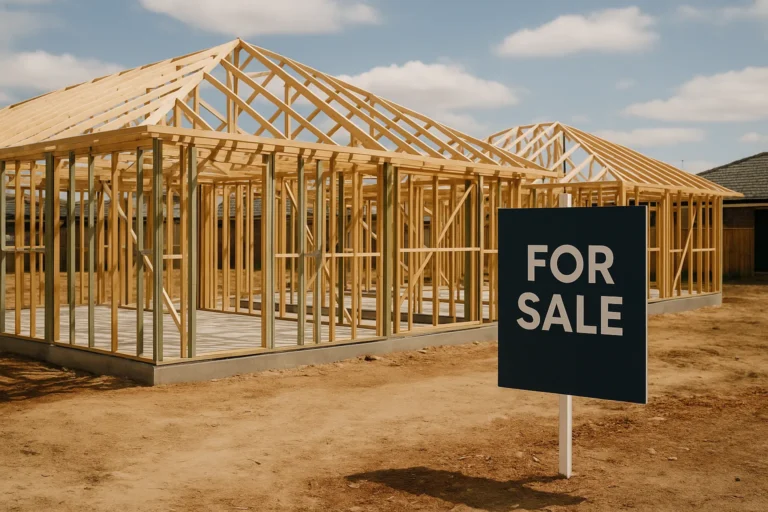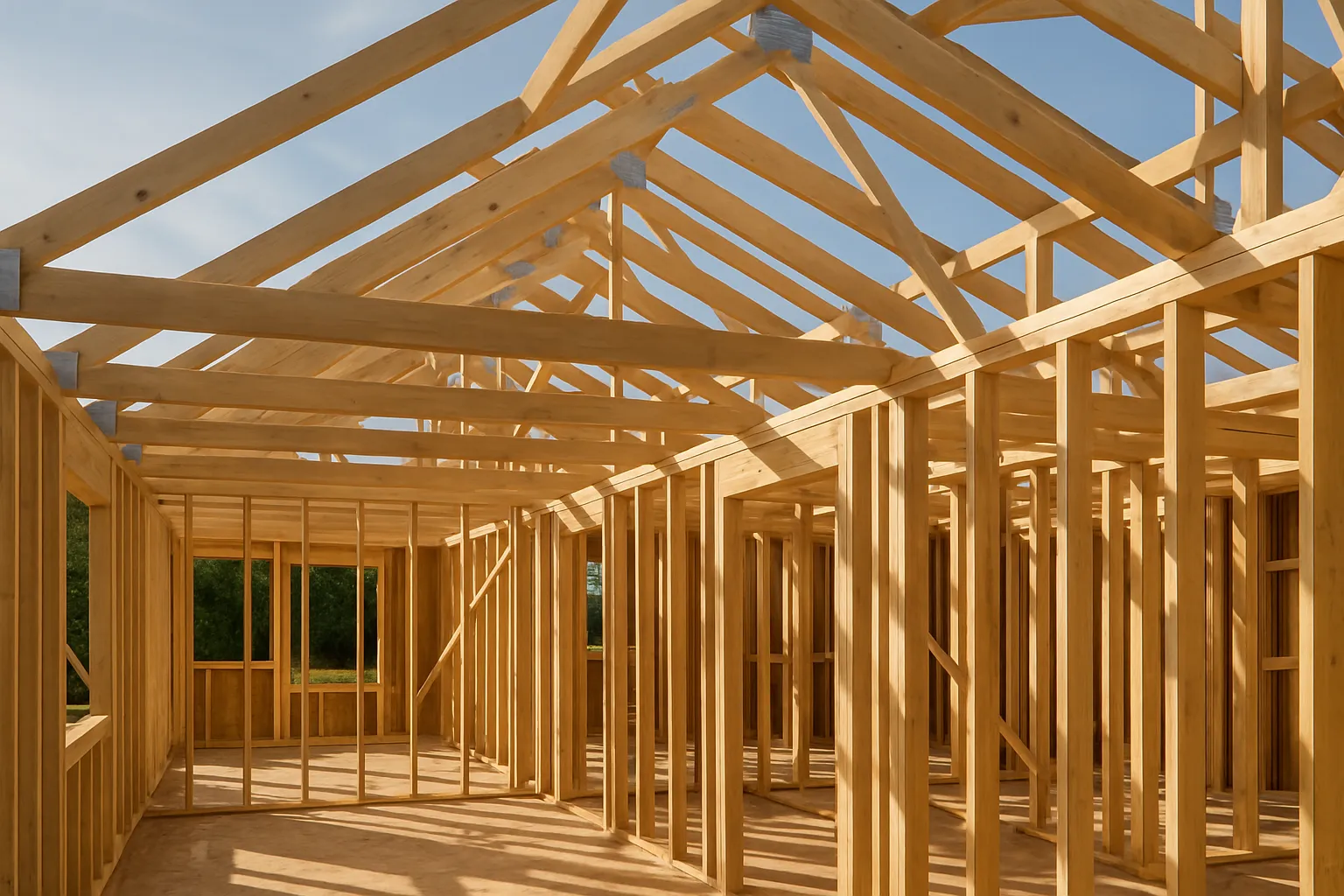
A Liberal senator’s proposal to strip back building regulations has put a fault line in housing policy on the public record: whether Australia should prioritise volume over standards to meet supply targets, and what that means for the stock being built right now.
The suggestion is to condense the National Construction Code from nearly 2,000 pages to 80, removing what the proposal labels “optional extras” including energy efficiency and accessibility requirements. The goal is more homes, faster, at lower cost. The explicit trade-off, confirmed by the senator in follow-up commentary, is that lower-income earners would live in homes built to reduced standards.
The proposal in plain English
The plan centres on cutting red tape to accelerate construction. The argument: housing affordability is urgent enough that basic, safe shelter should take priority over features like insulation, accessibility ramps, and energy-efficient glazing.
The senator framed this as a hierarchy-of-needs question: having a roof beats not having one, even if that roof comes with higher heating bills and no wheelchair access.
A colleague reinforced the point by suggesting occupants could “put a jumper on in winter” rather than expect improved thermal performance.
Who it would affect most
Lower-income households, renters, and people with disabilities sit at the sharp end of this trade-off.
Energy-inefficient homes cost more to heat and cool. Renters typically can’t retrofit insulation or double glazing. Accessibility features are expensive to add after construction but relatively cheap to include during the build.
Advocacy groups argue the proposal shifts costs from developers to occupants. Building to lower standards reduces upfront construction spend but locks in higher lifetime costs for heating, cooling, maintenance, and retrofitting.
The counterargument from proponents: if tighter standards price households out of ownership or rental altogether, they end up with no home at all.
The mechanics of the National Construction Code
The Code sets minimum performance standards for structure, fire safety, health, amenity, accessibility, and energy efficiency. It’s updated every three years through a process involving state and territory governments, industry bodies, and public consultation.
Cutting it to 80 pages would remove most performance-based provisions. What remains would likely cover structural integrity and basic fire safety, reverting closer to the prescriptive codes used decades ago.
That would speed approvals: fewer standards mean fewer compliance checks. It would also lower build costs for developers by removing requirements for insulation, ventilation, solar-ready wiring, and step-free entries.
The catch
- Energy bills for occupants would rise. A poorly insulated home in Melbourne or Canberra can cost thousands more per year to heat and cool than a code-compliant build.
- Resale and rental values would likely be lower. Buyers and tenants increasingly factor running costs into affordability calculations, as covered in 15 Unfortunate Truths About Property Investing.
- Retrofit costs fall on owners or landlords later. Installing insulation, upgrading windows, or adding accessibility features after construction is far more expensive than including them during the build.
The migration component
The same proposal includes cutting net overseas migration to 180,000 per year for four years, the lowest sustained level since the mid-2000s. The rationale: slower population growth reduces pressure on housing supply.
The suggested visa categories for cuts include international students, working holiday-makers, and some unskilled workers. The Coalition has not yet formalised which visas would be affected or by how much.
Rural and regional groups immediately pushed back against cuts to working holiday and agricultural visas, flagging labour shortages in farming and hospitality.
The connection to housing standards: if migration is lowered and supply is still lagging, the argument for faster, cheaper builds weakens. If migration stays higher than housing completions, the pressure to cut standards increases.
Scenarios for the next 12 months
Base case: The proposal remains a discussion piece, not policy. Building codes stay largely intact, with incremental updates in the next NCC cycle. Migration settings adjust modestly but stay above 200,000.
Upside (for supply): States adopt streamlined approval pathways without gutting performance standards. Prefab and modular construction scales up, delivering code-compliant homes faster.
Downside (for quality): Political pressure to “just build more” leads to relaxed standards in some states. A cohort of poorly performing homes enters the stock, creating a two-tier market where lower-income buyers are effectively locked into higher running costs.
Pressure points to watch
State and territory governments control planning and most building regulation. If the federal government pushes for code cuts, states can refuse. Watch for whether any state signals willingness to trial reduced standards in exchange for federal housing funding.
Industry response matters. Builders and developers may support faster approvals but resist liability for homes that perform poorly. Insurance and warranty schemes could push back if claims rise.
Renter advocacy and disability groups are already mobilising. If the proposal gains traction, expect legal challenges on accessibility grounds under discrimination law.
What it means for property decisions right now
If you’re buying new or off-the-plan, check which version of the NCC applies to your build. Homes approved under current codes will have better thermal performance and accessibility than anything built under a hypothetical stripped-back regime.
If you’re an investor, factor in the risk that lower-quality stock becomes harder to rent or sell as energy costs rise and tenant expectations shift. Running costs are already a deal-breaker for many renters.
If you’re upgrading or renovating, improvements to insulation, glazing, and ventilation add value and reduce holding costs, regardless of what happens to new-build standards.
Bottom line
The proposal is a stress test for how Australia prioritises speed versus quality in housing supply. The trade-off is real: faster, cheaper builds can deliver more homes, but those homes may cost occupants more to live in and lock in long-term disadvantage for lower-income households.
The question isn’t whether Australia needs more housing. It does. The question is whether cutting standards solves affordability or just shifts the cost from developers to occupants.
Watch state government responses, industry lobby positions, and whether any federal housing funding gets tied to code changes. Those signals will tell you whether this stays a talking point or becomes policy.
Subscribe to the newsletter for weekly analysis on housing policy, supply, and what it means for your next decision.
General info, not financial advice.