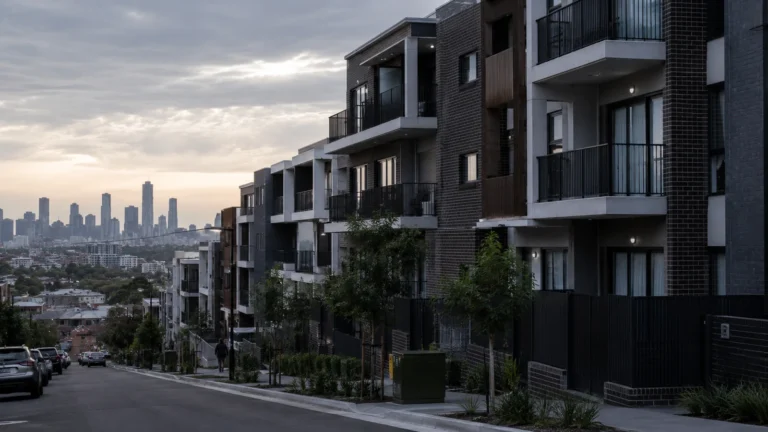
Australian property investors are heading for the exit in numbers not seen since before the 2024 and 2025 surge, and most of them are leaving with a profit. A new investor report puts the drop in investment activity at nine per cent for the second quarter of 2026. That reverses the gains recorded across the previous two years.
Here is the catch. Almost everyone selling is doing fine. About 93 per cent of investment properties sold this year fetched more than their purchase price. The people who lose from a quiet investor market may not be the sellers at all.
Four rate rises and one budget: the timeline behind the retreat
Two forces landed close together. The Reserve Bank has lifted rates four times, which squeezes the cash flow on any geared property. Then the May federal budget floated two changes: removing negative gearing from existing residential properties, and altering the capital gains concession.
Negative gearing lets an investor offset rental losses against other income. The capital gains discount cuts the tax on profit when an asset is sold. Together they underpin the return on many investment purchases, so even proposals (not yet law) are enough to make buyers hesitate. Our guide to negative gearing, CGT and investor tax walks through how each setting works.
The pullback did not stay in one place. One economist noted it showed up early in New South Wales, then spread to Queensland, Western Australia and Victoria. A similar pattern appeared in lending data, where investor mortgage applications fell about 20 per cent as tax policy bit.
Key numbers
- Investment activity: down 9 per cent in the June quarter 2026
- Sellers who made a profit this year: about 93 per cent
- Loans to buy or build new homes: up 24 per cent
- Reserve Bank rate rises: four
Why profitable selling can worsen rent pressure
This is the part the headline numbers hide. A landlord who sells at a gain does not make the home disappear. But the buyer is often an owner-occupier, and when that happens the property leaves the rental pool. One fewer rental, one more owner-occupied home.
The pool is already tight. The report points to very low vacancies, with rents still climbing even as home values soften. Softer values would normally ease pressure on affordability. Higher rents cancel part of that benefit for anyone who cannot buy.
So the chain runs like this:
- Rate rises and tax proposals reduce investor appetite.
- Some landlords sell, taking a gain in most cases.
- Some of those homes move to owner-occupiers, shrinking rental supply.
- Low vacancies push rents higher for those still renting.
None of that is certain at the level of any single suburb. But the direction is worth watching, because the group the policy debate often centres on, investors, is only one side of the equation. Tenants are the other.
Where the money is going instead
The report does not describe an investor exodus so much as a reshuffle. Buyers are leaning toward higher yields and stronger cash flow. In metropolitan areas that means units, apartments and semi-detached homes. In regional areas, houses still win at similar price points.
The report named top-yielding suburbs in several capitals. Examples include Moorebank units in Sydney at 4.8 per cent and above, Flemington units in Melbourne above 5.5 per cent, and Harrison units in Canberra above 5.5 per cent. Treat these as a snapshot of where yield is strongest, not a buy list. Yields depend on purchase price, vacancy and costs, and they move.
Loans for buying or building new homes grew 24 per cent. That is a quiet sign of some capital shifting toward new construction, which would help supply if it turns into completed dwellings. Whether that arrives fast enough to matter for rents is a separate question. Construction takes time, and the broader housing downturn forecasts point to a cautious building environment.
What could derail the rebound story
The report’s economists expect yields to rebalance within six to twelve months, bringing investors back. The logic is simple. If rents keep rising while values soften, gross yields improve, and that eventually attracts buyers.
That view rests on assumptions:
- No further rate rises. More increases would keep pressure on cash flow.
- Tax proposals stay proposals. If negative gearing changes become law as drafted, the return calculation changes for existing properties.
- Prices stay soft, not weak. A sharper fall would shift the picture, as our coverage of home prices falling for a fourth month shows.
An insurer spokesperson quoted in the report said investors are adapting rather than exiting. That is plausible, but it is also the view of a party that sells products to investors. The sales data is the firmer evidence, and it shows a pullback.
What it means if you rent or invest
If you are a tenant, the practical read is that vacancy rates matter more than headline price falls. Lower home values do not automatically translate into lower rents, and the data here points the other way. Budget for rent growth rather than relief, and check local vacancy figures before negotiating a renewal.
If you are an investor weighing a sale, a gain does not settle the decision. Work through the tax on that gain, the cost of re-entering the market later, and whether the policy proposals eventually pass. If you are weighing a purchase, test the numbers at current rates plus a buffer, and compare yield against your ability to carry the holding costs.
One next step: pull the vacancy rate and gross yield for the specific suburb you care about, and run your numbers against a higher-rate scenario before deciding.
If you want the weekly signal, subscribe to the free newsletter.
General info, not financial advice.