A reported $3.2 billion offer from a real estate investor for a listed operator of seniors housing is the kind of headline that tells you where big capital wants to be. The detail of the bid matters less than the direction. Institutional money is leaning into land lease communities, and that is worth reading carefully.
We are working from the headline and limited public detail here, so treat the numbers as the reported figure, not a settled deal. Bids can be revised, rejected or withdrawn.
Why land lease communities suit big capital
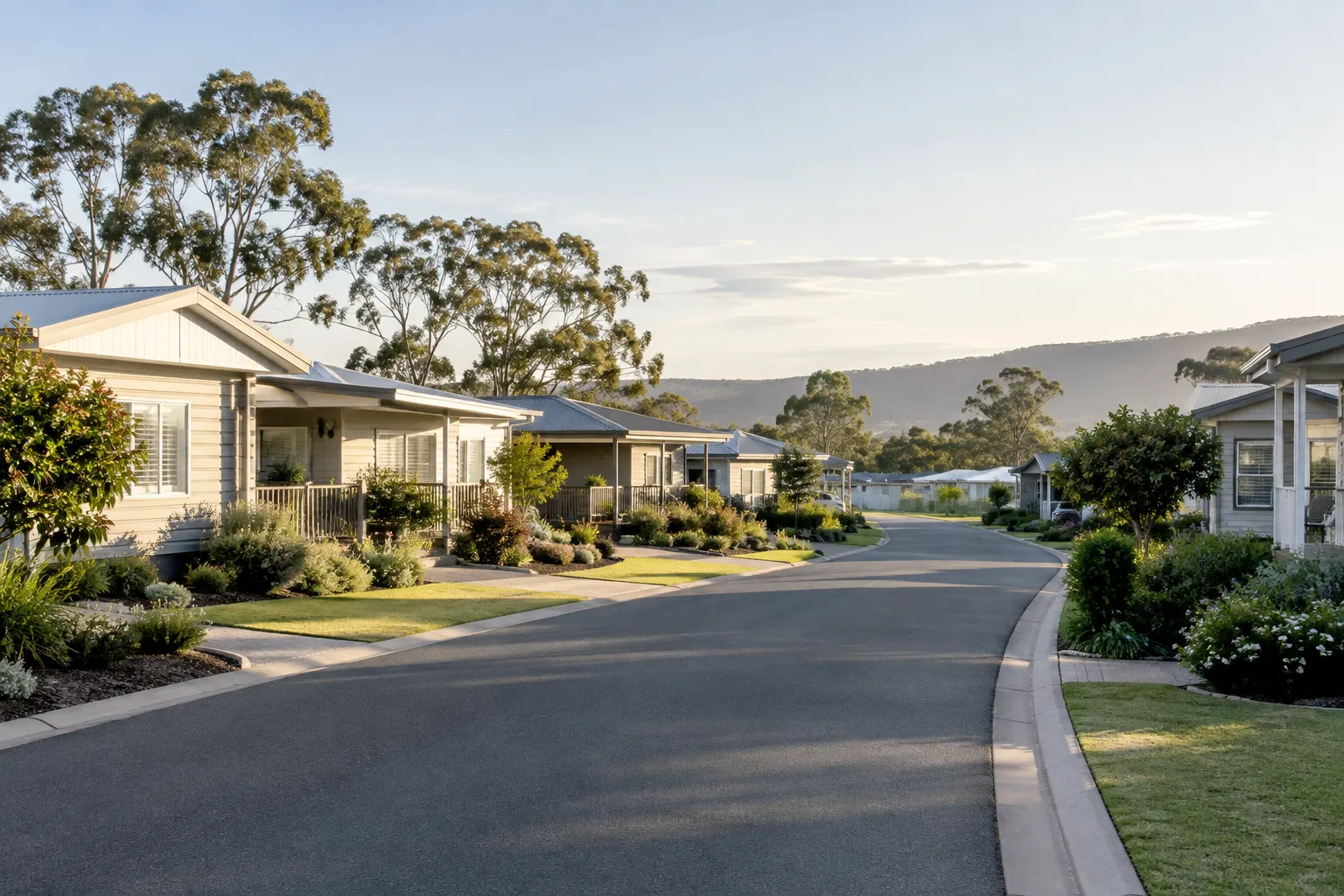
In a land lease community, residents typically own their home but lease the land it sits on. The operator keeps the land and collects ongoing site fees. That is a different product from a traditional retirement village, where the operator’s return leans heavily on exit fees and resales.
For an investor, the appeal is straightforward:
- Recurring income from site fees, often tied to the pension or CPI
- A customer base with steady, predictable demand drivers
- Land held long term, which can appreciate
- Lower upfront cost per resident than a full-service village
That income profile looks a lot like infrastructure. It is why this corner of property attracts attention when other sectors feel uncertain.
The demographic tailwind is real, but not unlimited
Australia is ageing. More people are reaching retirement with a house but limited savings beyond it, and many want to release equity without moving into a care setting. Land lease homes offer a lower entry price than most conventional housing in the same area.
The catch is that demand does not automatically translate into supply. Approvals for these communities can be slow, councils vary in how they treat them, and land near services is scarce. A big buyer does not create new sites. It consolidates existing ones.
What a corporate bid does and does not change
A takeover shifts ownership, not the number of homes. If an acquirer has the balance sheet to speed up development, supply could grow over time. If the goal is mainly to harvest income from existing sites, the pipeline may look much the same as before.
That distinction matters for pricing. More competition for operators tends to push up the price of the businesses themselves. Whether that flows through to resident costs depends on how site fees are set and regulated, and on how many alternatives sit nearby.
Who could gain and who could be squeezed
Older buyers on modest incomes are the most exposed group. They are drawn to land lease because it is cheaper, but they are also sensitive to rising site fees. Fee increases linked to inflation can bite when the main income is a pension.
On the other side, existing owners in well-located communities may see steady demand support resale values. The pressure point is the gap between what the product costs and what a retiree can realistically fund.
It also connects to wider housing demand. Households are reshaping how they live as they age, a theme we covered in our look at multigenerational living. Seniors housing is part of that same story, not a separate market.
Why supply is the real test
The wider debate on housing supply keeps returning to the same problem: pledges are easy, delivery is hard. That was the lesson from the latest housing supply communique, and it applies here too. Seniors housing competes for the same land, the same builders and the same planning approvals as every other form of housing.
If institutional capital simply buys what exists, the market gets more efficient at collecting income but not at housing more people. The test over the next year is whether new capital turns into new approvals and completed homes.
What to watch from here
- Whether the board engages with the offer or rejects it
- Any change to the stated development pipeline
- Regulatory attention on site fee increases
- Whether rival bidders or other operators respond
The bid is a signal, not a verdict. It confirms that large investors see land lease communities as a durable income asset. Whether it helps older Australians find an affordable home is a separate question that only new supply can answer.
Key numbers
- $3.2 billion: the reported offer value
- Recurring site fees, not resale gains, are the core appeal
- Supply growth depends on approvals, not ownership changes
If you want the weekly signal on where capital and policy are moving in property, subscribe to the newsletter.
General info, not financial advice.