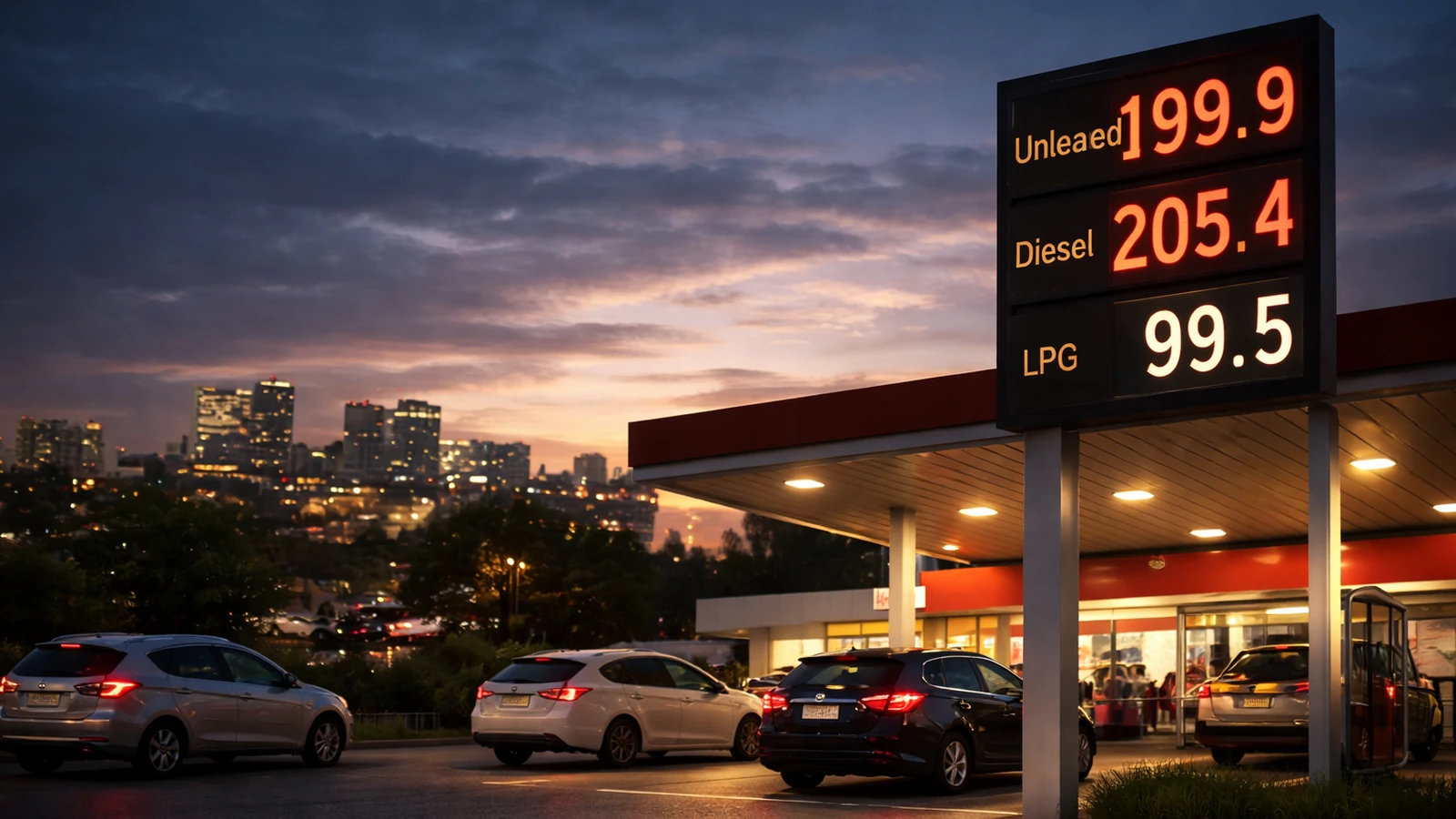
The first hit from a Middle East crisis is easy to spot. Petrol jumps. Flights get messy. Markets wobble.
The harder part is what comes next.
For Australian households, the real pressure usually spreads in stages. First it shows up at the bowser. Then it works through freight, groceries, confidence and holiday costs. If the shock lingers, it can also complicate the inflation and rate outlook, which matters far more for borrowers than one ugly week of fuel prices.
That is why this is not just a story about petrol. It is a story about how a global shock can leak into everyday cash flow.
And for most readers, the goal is not to predict every headline. It is to stop a messy news cycle turning into bad money decisions at home.
The first place to cut costs is the obvious one
If petrol spikes, start there.
That sounds basic, but it is where many households can make the fastest saving with the least effort. A price gap of 10 to 20 cents a litre across nearby servos adds up quickly, especially for families commuting five or six days a week. In practical terms, checking before you fill can save real money over a month without changing anything else.
In NSW, the government’s FuelCheck app is the cleanest starting point. Victoria has Servo Saver. In Queensland, motorists usually rely on apps powered by mandatory fuel-price reporting. South Australians have decent options too.
Now, the part most people miss.
Petrol savings are not only about finding the cheapest bowser. They are also about using less of it. Smooth acceleration, better tyre pressure, lighter loads in the boot and less stop-start driving can trim costs without changing your whole lifestyle. It is not glamorous, but it works.
If you drive a lot for work, this matters more than people think. Small percentage changes on a high weekly fuel bill become meaningful over a quarter.
Why one global shock can hit your mortgage anyway
The direct fuel hit is annoying. The indirect hit is where the real risk sits.
A prolonged oil shock can keep inflation sticky because transport and freight flow into more prices than most people realise. If that happens, relief on interest rates can be delayed, or the market may start pricing in a tougher path than borrowers were hoping for.
That does not mean every geopolitical flare-up leads to higher mortgage pain. But it does mean households should stop thinking about these events as “just a petrol story”.
If you are a borrower, this is the right moment to pressure-test your rate. Not because panic is useful, but because preparation is.
On a large mortgage, even a modest rate difference still matters. A lower variable rate, a sharper refinance offer or a better discount from your current lender can save more in a year than most households will ever save by skipping coffees or streaming subscriptions.
That is why we have been pushing readers to focus on the big rocks first.
Read more:Why rate rises will hurt harder than the Iran oil shock.
Super is usually where overreaction does the most damage
When markets turn jumpy, people want to act.
That instinct is understandable. It is also where plenty of long-term mistakes start.
Super is built to sit through volatility. A geopolitical shock can rattle markets for days, weeks or months, but that does not automatically justify a sudden switch in investment options, especially if retirement is still years away. Locking in losses after a sharp move can do more damage than the volatility itself.
Here’s the catch.
Doing nothing and doing nothing blindly are not the same thing.
It can still make sense to review your risk setting, insurance and fees, especially if your circumstances have changed. But that review should come from your timeline and goals, not from a week of alarming headlines.
If you need a reset on the basics, read more:Industry vs retail vs SMSF: what actually matters.
Travel is where people can make an expensive emotional mistake
Holiday plans get messy fast when conflict affects air routes, insurance settings or airline schedules.
The most common mistake is cancelling too early without checking the fare rules, airline obligations or travel insurance position. In some cases, travellers are better off waiting for the airline to make the first move. That can change the refund path entirely.
The second mistake is assuming the cheapest route is still the best route. If a fare looks good but runs through a corridor facing disruption risk, the saving may not be worth the uncertainty.
This is one of those moments where a more boring holiday decision can be the smarter one. A destination with simpler routing, a stronger Aussie dollar or fewer moving parts can deliver better value than the “cheap” option that carries cancellation risk, rebooking stress and surprise costs.
And when you do travel, payment friction matters. Paying in local currency, using a sharper travel card and avoiding lazy bank conversion rates can save more than many people realise.
Energy bills are not the same problem, but they still deserve attention
Electricity and gas prices do not always move in lockstep with an overseas conflict. That is why households should avoid rolling every bill into one mental basket.
Still, this kind of global shock is a useful trigger to review fixed costs that have drifted higher while no one was paying attention. Energy plans, insurance premiums, phone bills and mortgage rates are classic examples.
In plain English
The best response to a global cost shock is usually not one heroic saving. It is a handful of sensible changes on the biggest recurring expenses: fuel, debt, energy and travel.
That approach is less exciting than doomscrolling, but far more effective.
What changed, and what did not
What changed is the backdrop.
Households that were already dealing with high living costs now have another external pressure point to absorb. Fuel is the most visible. Travel uncertainty is close behind. Markets can wobble quickly when conflict raises questions about oil supply, shipping and global inflation.
What did not change is the logic of good household management.
You still protect cash flow the same way. Check the big expenses first. Reprice the mortgage. Avoid emotional investing. Do not lock in avoidable travel losses. Trim costs where the savings are repeatable, not theatrical.
That is also why readers should look through the noise and focus on how shocks travel through the system. We covered that broader lens here: What a Middle East oil shock could mean for Australian property.
A simple rule of thumb for the next few weeks
If a decision saves you money once, it helps.
If it saves you money every month, it matters.
That is the difference between checking petrol prices and repricing a mortgage. Both are useful. One is just much bigger.
So if you are thinking, okay, but what should I do first, start here:
-
Check whether you are overpaying on your home loan.
-
Tighten your fuel habits before prices climb further.
-
Do not make panic moves inside super.
-
Review any upcoming travel for route and refund risk.
-
Re-shop one major household bill this week.
That is not dramatic. It is just how sensible households get through uncertain periods without turning every headline into a financial setback.
Start here: call your lender and ask for a sharper rate today.
General info, not financial advice.