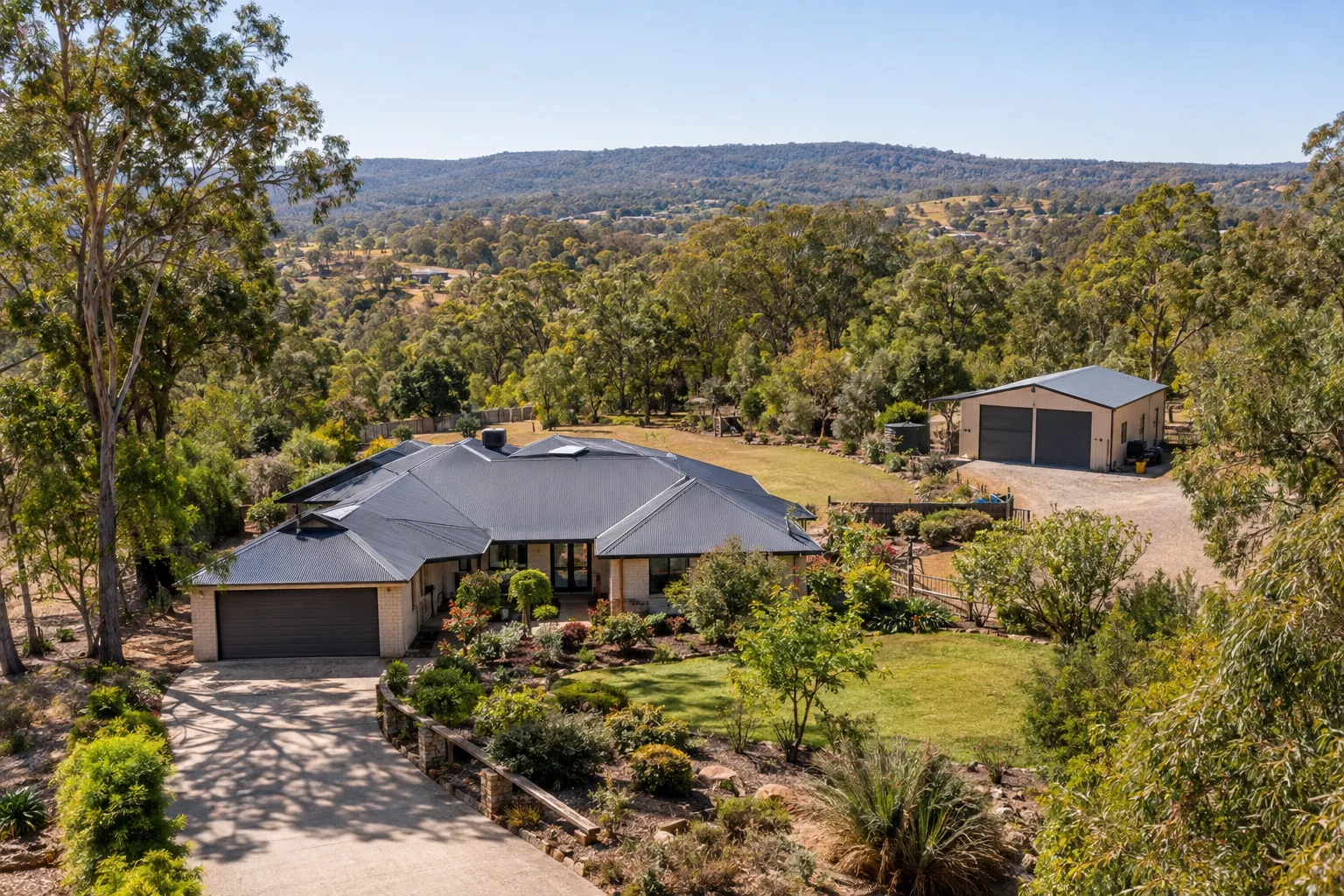
House hunters in Perth are making a calculation that would have looked odd three years ago: passing on coastal views in favour of larger blocks with sheds, pools and workshop space in the city’s outer eastern suburbs.
The shift isn’t about lifestyle aesthetics. It’s about what buyers can still afford when forced to choose between location premium and functional space. Areas like Kalamunda and Mundaring, 25 to 40 kilometres east of the CBD, well beyond the beachside belt, are drawing buyers who want more land and built utility for the same outlay as a smaller coastal block.
The trade-off driving it
Perth’s median house price rose 21 per cent in the 12 months to mid-2025, with coastal pockets climbing faster. That’s pushed the traditional beach-proximity premium beyond what many buyers with fixed budgets will stretch for, especially when the alternative is a larger parcel with room for a home workshop, caravan storage or a pool.
Outer suburbs deliver 700 to 1,000 square metre blocks at price points where coastal equivalents might offer 400 to 500 square metres. For buyers who work from home, run a trade business or simply want more usable outdoor space, the extra land outweighs the ocean vista.
Key numbers
- Perth house prices up 21% year-on-year to mid-2025
- Kalamunda and Mundaring blocks typically 700–1,000 sqm vs 400–500 sqm coastal equivalent
- Outer eastern suburbs 25–40 km from CBD, adding 20–30 minutes to beach access
- Comparable price points delivering 50–100% more land area in outer ring
Who this matters for
First-home buyers and upgraders with household incomes that can service a $700,000 to $900,000 loan but not the $1.2 million entry point for coastal suburbs. Also tradies, small business operators and remote workers for whom a workshop or double garage with separate access has tangible income or lifestyle value.
Investors should note this isn’t a blanket endorsement of outer suburbs. Rental yields in these areas can be softer because tenants often prioritise proximity over land size, and capital growth historically lags the inner and coastal belts when markets turn. The current shift reflects what owner-occupiers will pay, not necessarily where rental or resale demand is strongest.
What could reverse this
A pullback in Perth prices, whether from rising unemployment, higher rates or an end to the interstate migration wave, would ease the coastal premium and reduce the appeal of the outer trade-off. Equally, if remote work declines and commuting costs rise (fuel, time, toll roads if introduced), the 40-kilometre commute becomes less tolerable.
Supply also matters. If coastal subdivisions or medium-density approvals increase, the land scarcity that drives the premium eases. Conversely, if outer suburbs see their own demand surge and inventory tighten, the value gap narrows.
The practical take
If you’re buying in Perth and prioritise space over beach access, outer eastern suburbs offer measurable land area for the money. But pressure-test the commute, school zones and resale liquidity before assuming you’re getting a bargain.
For investors, the lesson is broader: when buyers are forced to choose, utility can trump traditional amenity markers. That doesn’t make outer suburbs a blanket buy, it means understanding what drives demand in your target segment, and recognising that “desirable” characteristics shift with affordability constraints.
If this resale-versus-lifestyle calculation is something you’re working through, auction clearance data and price discounting trends in other capitals show similar pressure points emerging as buyers reassess what they’ll pay for premium features.
Subscribe to the newsletter for weekly analysis of where buyer priorities are shifting and what it means for your next decision.
General info, not financial advice.