The Reserve Bank is widely expected to leave the cash rate at 4.35% when the board meets on 10–11 August, marking the first back-to-back hold since the tightening cycle began. Headline inflation fell to 3.8% in June, down from 4% in May and below the RBA’s own forecast, while trimmed mean inflation held at 3.6% and unemployment sat steady at 4.4%. On the surface, that’s enough breathing room to justify a pause.
Yet economists are flagging a less obvious pressure point: the construction pipeline has hit a record high, and the scramble for labour, materials and subcontractors is keeping building costs elevated even as broader price growth moderates. If supply constraints in construction persist, they could anchor inflation above the 2–3% target band longer than the headline data suggests, complicating the RBA’s exit strategy and leaving borrowers in a holding pattern well into 2024.
Why the pause looks likely
Three consecutive rate rises earlier this year, taking the cash rate from 4.10% to 4.35%, have yet to fully filter through household budgets and business cashflow. Mortgage holders are still absorbing the cumulative impact of those moves, and lenders report a subtle but measurable uptick in hardship inquiries and restructuring requests. A fourth hike in quick succession would risk tipping stretched borrowers into distress before the earlier increases have done their work.
At the same time, headline CPI came in softer than the RBA forecast, unemployment remains contained, and wage growth, while firm, has not accelerated beyond the central bank’s tolerance. That combination gives the board political and economic cover to sit tight, retain a hawkish bias in the statement, and buy time to assess whether the disinflationary trend is durable or temporary.
The construction bottleneck no one’s pricing in
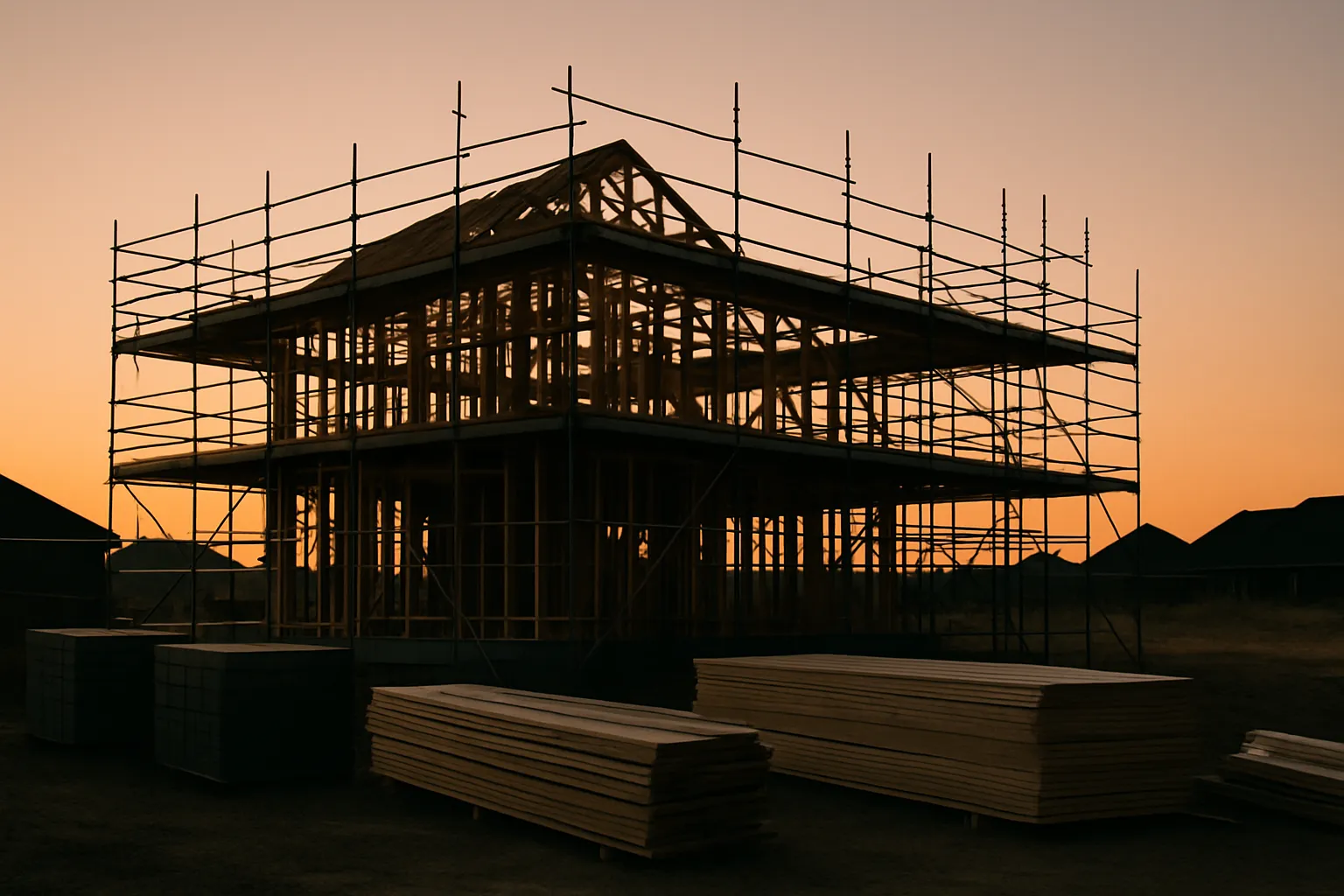
Here’s the part most commentary is glossing over: Australia’s construction pipeline, residential and commercial combined, now sits at an all-time high, yet builder insolvencies are running above pre-pandemic norms and skilled labour shortages show no sign of easing. The result is a structural mismatch: record demand for new builds, renovations and infrastructure work, but constrained capacity to deliver it.
That keeps upward pressure on wages for trades, materials costs (especially timber, steel, concrete) and subcontractor rates, even as inflation in goods, fuel and discretionary services moderates. The RBA has flagged this explicitly as a risk: construction-related inflation could stay elevated and sticky, decoupling from the broader disinflation story and forcing the board to hold rates higher for longer than markets currently expect.
For property investors and owner-occupiers planning new builds or major renovations, this matters more than the headline CPI print. If construction costs remain elevated while borrowing costs stay high, the economics of development and major capital works deteriorate fast, tighter margins, longer payback periods, higher risk of cost blowouts.
What happens if the hold extends through year-end
If the RBA pauses in August and holds through the remainder of 2024, the current base case among major bank economists, borrowers face at least another four to six months at 4.35% before any potential easing. That’s manageable for households with buffers and steady incomes, but it compounds stress for those already running close to serviceability limits or facing variable-rate resets from fixed loans that expired in 2023.
The construction sector, meanwhile, gets no relief. Builders and developers operating on thin margins will continue to face elevated input costs without the demand boost that lower rates would provide. Expect more project delays, more builders walking away from contracts locked in at pre-escalation prices, and more supply shortfall as the gap between housing targets and actual completions widens.
The political dimension is also worth watching. Mortgage stress is a live issue heading into an election year, and sustained high rates, even if justified by inflation data, create political risk for a government that has tied housing affordability and supply to its economic credibility. If the RBA holds too long and construction activity stalls further, the knock-on effects hit housing supply, rental markets and voter sentiment all at once.
The practical take
- If you’re on a variable rate, model your cashflow assuming 4.35% holds through Q1 2025, don’t bank on cuts arriving sooner.
- For new builds or major renovations, lock in quotes and timelines now if possible; construction cost inflation may outlast headline CPI by six to twelve months.
- Watch the October CPI and Q3 construction data, if building costs stay elevated while services inflation moderates, that’s the divergence that keeps rates higher for longer.
Probabilities, not certainties
The August pause looks close to locked in, but the path beyond that depends on variables the RBA can’t control: global oil prices, wage outcomes in the September quarter, and whether construction bottlenecks ease or worsen as the pipeline works through. The risk isn’t another hike, it’s that the hold extends well into 2025, with no early relief for borrowers and no resolution to the supply crunch that’s keeping construction inflation sticky.
If you’re making a leveraged decision in the next six months, buying, building, refinancing, price in a longer hold than the market is currently expecting. The data may be cooling, but the constraints are structural, and those take longer to clear than a cyclical CPI print.
Stay ahead of the next move, subscribe to the Australian Property Review newsletter for the weekly signal on rates, credit and what’s shifting beneath the headlines.
General info, not financial advice.