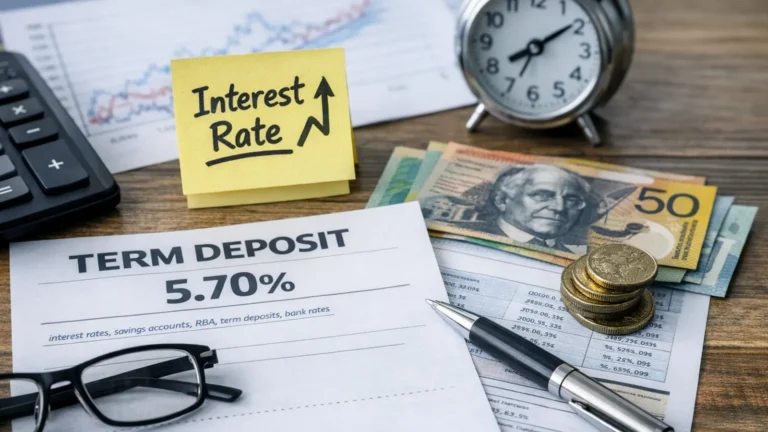
Three major banks have abandoned their rate-cut forecasts and now expect a 25-basis-point cash rate increase before year-end, following July inflation data that showed underlying price pressures remained flat at 3.6% year-on-year despite headline CPI easing to 3.5%.
The forecast reversal centres on the trimmed mean inflation measure, which the RBA weights heavily because it strips out volatile one-off moves. That gauge printed at 0.5% for the month of July alone, a pace that, if sustained quarterly, would keep inflation well above the 2–3% target band through the rest of 2026.
Futures markets shifted fast: a September hike is now priced at 40%, rising to 97% for November if the central bank holds in September. The official cash rate currently sits at 4.35% after three increases earlier this year.
Where the forecasts split
Two banks pick November for the next move, arguing the RBA will want to see the September quarter CPI, due late October, before acting. One bank expects September, citing the central bank’s recent commentary that upside inflation surprises would trigger a response.
The fourth major lender holds the dissenting view: rates stay on hold through year-end, with the next move a cut around mid-2027. That economist argues the July surprise was concentrated in cars, household goods, restaurants and domestic travel, categories prone to timing effects and base-year distortions, while housing and rental inflation came in as expected.
The gap matters. If the rate-hike consensus proves correct, a borrower with a $600,000 variable mortgage at today’s rates would pay roughly $150 more per month after a 25-basis-point rise. If the dissenting view wins and cuts arrive by mid-2027 instead, that same borrower avoids the extra repayment cost and starts saving within twelve months.
What forced the pivot
The central bank’s August minutes flagged that the board would consider tightening again if inflation remained elevated, and a senior official reinforced that message at a Brisbane event later in the month, naming Middle East conflict, AI investment and weak productivity as upside risks.
July’s inflation print delivered exactly the upside surprise the central bank had warned against. Headline CPI fell from 3.8% to 3.5% year-on-year, but much of that decline reflected base effects, high prices from July 2025 dropping out of the twelve-month comparison. The trimmed mean, which adjusts for those distortions, stayed stuck at 3.6%.
One economist’s note captured the pressure: inflation is running hotter than the RBA expected in early August, and the board has signalled it would act if risks materialised. Activity data showing resilience in coming months would tilt the scales toward November.
The catch
- Trimmed mean inflation at 3.6% is unchanged from June despite three rate rises this year
- A 0.5% monthly trimmed mean pace implies the September quarter print will come in well above the RBA’s forecast
- Household spending is proving more resilient than expected, which could reflect genuine demand or distressed consumption that reverses quickly
- Markets are pricing near-certainty of a November hike, but the actual data between now and then, jobs, wages, retail, could still shift the outcome
Pressure points for borrowers
Mortgage holders who locked in variable rates expecting cuts this year now face a potential reversal. The cash rate has already climbed 75 basis points in 2026, and another 25 would push the cumulative increase to a full percentage point since January.
For investors, the squeeze is tighter. Elevated interest costs combine with increased living expenses and, in some markets, softening rents as supply catches up to demand. Borrowers in arrears hotspots where negative equity limits refinancing options carry compounding risk if rates rise again.
First-time buyers face the same higher borrowing costs, compounded by property prices that remain elevated in capital city markets despite the rate rises already delivered.
What could derail a November hike
The dissenting forecast rests on two arguments. First, that the July inflation surprise was narrow, concentrated in categories vulnerable to timing quirks rather than broad-based demand pressure. Second, that housing and rental inflation, which the RBA watches closely, came in as expected.
If the September quarter CPI shows those July spikes were one-offs, the case for holding rates strengthens. Likewise, if employment or retail spending data softens materially between now and November, the board may judge that the economy is slowing fast enough to bring inflation down without another move.
The alternative scenario: if activity data continues to show resilience and the quarterly inflation print confirms the monthly trimmed mean pace, the RBA’s own guidance leaves little room to hold.
Bottom line
Three banks now forecast a rate rise by November, one still calls cuts by mid-2027. The gap between those views represents roughly $1,800 per year in mortgage costs on a $600,000 loan, plus the timing of any relief.
The deciding factor will be the September quarter inflation data, due late October. Until then, borrowers on variable rates are pricing in near-certain odds of another increase, while those on fixed terms expiring in early 2027 face renewed uncertainty about where rates will settle.
Check your current rate and repayment buffer against a 25-basis-point rise. If cashflow is already tight, model the impact now rather than when the increase arrives. For those refinancing or fixing soon, the shift toward non-bank lenders holding larger broker book shares may offer alternative pricing, though serviceability tests will reflect higher rate assumptions either way.
Subscribe to the newsletter for the next RBA decision breakdown and quarterly inflation analysis.
General info, not financial advice.