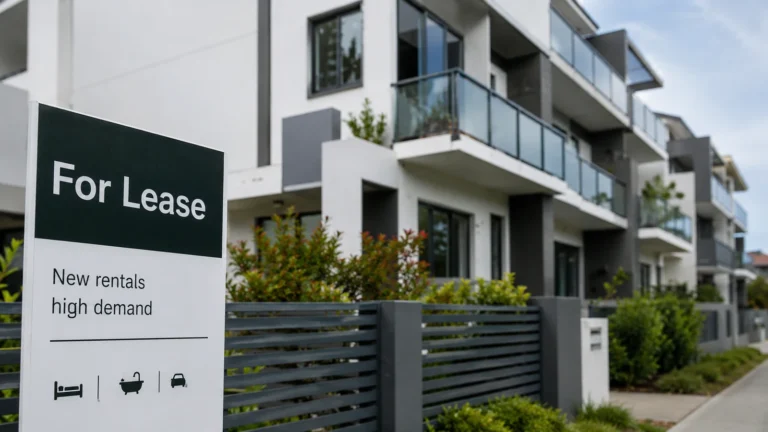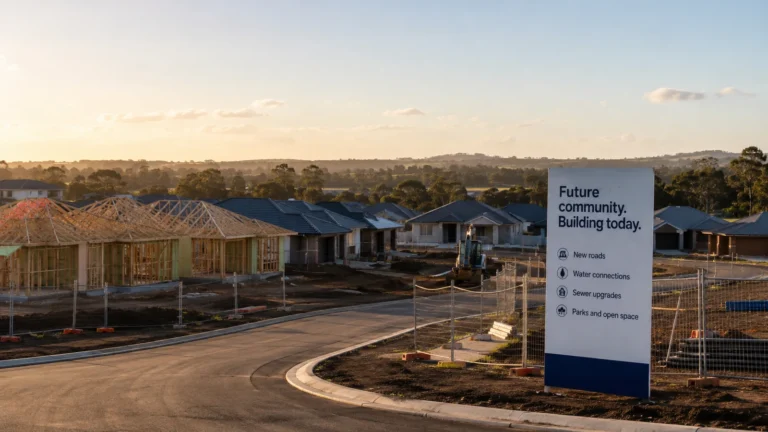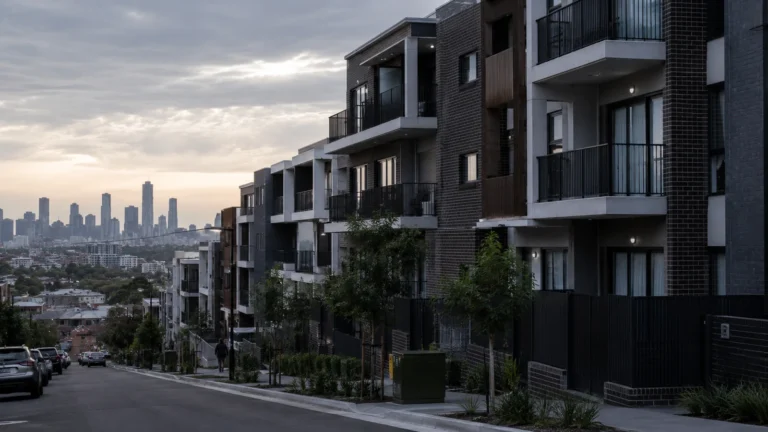
Australia’s rental market is running on empty. Vacancy rates have hit record lows across most capital cities, but the real problem isn’t demand. It’s that the economics of building new rental housing have collapsed.
The gap between what tenants can afford, what it costs to build, and what investors need to justify putting money in has widened to the point where new projects simply don’t stack up. Rents are climbing, but not fast enough to close the chasm. Construction costs remain elevated. Investor appetite has pulled back sharply. The result is a feedback loop: tight supply pushes rents higher, making housing less affordable, which increases political pressure for rent caps or investor penalties, which further discourages new supply.
How the viability gap works
To understand why new rental housing has stalled, you need three numbers: construction cost per dwelling, the rent that dwelling can achieve, and the yield an investor requires to commit capital.
Construction costs for a standard apartment in Sydney or Melbourne now sit around $400,000 to $500,000 per unit, depending on location and finish. Add land, planning delays, financing costs during construction, and GST on the build, and you’re often north of $600,000 all-in before the first tenant moves in.
That same apartment might rent for $600 to $700 per week in a decent location. Annualised, that’s $31,200 to $36,400. Gross yield: 5.2% to 6.1% before any expenses. After strata, rates, maintenance, vacancy periods and management fees, net yield drops closer to 3.5% to 4.5%.
Investors can get 4.5% to 5% on a term deposit or government bond with zero hassle, no tenant risk, and full liquidity. To justify the complexity and illiquidity of property, they typically want 6% to 7% net yield, or strong confidence in capital growth to offset the yield gap. Right now, neither is on offer in most markets.
The project doesn’t proceed. The unit doesn’t get built. Vacancy stays low. Rents keep climbing.
Why rents rising doesn’t fix this
The obvious question: if rents are going up, won’t that eventually close the gap?
In theory, yes. In practice, it would take years of sustained rent growth at a pace that outstrips both construction cost inflation and the political tolerance for affordability pressure.
If rents need to rise another 20% to 25% to make new builds viable, and they’re currently growing at 8% to 10% per year in tight markets, you’re looking at two to three years minimum. But construction costs aren’t standing still. Wage growth in the building trades, materials indexation, and insurance premiums are all moving up. The target keeps shifting.
Meanwhile, every quarter of high rent growth increases the likelihood of political intervention. Rent caps, stricter tenancy laws, or higher land taxes on investors all reduce expected returns, which pushes the required yield higher, which makes the gap worse.
The catch
- Viability isn’t just about today’s rents vs today’s costs. It’s about forward expectations over a 10 to 15 year hold period, and right now those expectations are clouded by policy uncertainty.
- Developers and investors both need confidence that the rules won’t change mid-project. That confidence is thin.
What policy could do and what it probably won’t
There are levers that could narrow the gap faster than waiting for rents to catch up or costs to fall. Most involve reducing the tax and regulatory burden on new supply.
Removing GST on new residential construction would cut upfront costs by 10% immediately. Faster zoning approvals and reduced planning complexity would shave months off timelines and reduce financing costs during the build. Cutting or refunding stamp duty for new builds (not resales) would improve investor returns without directly subsidising rents.
The problem is that each of these requires federal-state coordination, and most reduce government revenue in the short term. GST is a federal tax shared with states. Stamp duty is a state tax that many budgets depend on. Zoning is controlled by councils. The political path is narrow.
More likely: targeted incentives for institutional investors or build-to-rent schemes, which can pencil in lower yields because they’re playing a volume and portfolio game rather than a single-asset return. That’s already happening in pockets, but it’s not enough to move the national dial.
Who loses while the gap persists
Tenants, obviously. Every quarter without new supply is another quarter of bidding wars, rising rents, and fewer vacancies.
But also first home buyers who are competing with investors for existing stock. When new supply is stuck, upgraders and investors both chase the same pool of existing homes, which keeps prices elevated even as borrowing capacity has been squeezed by higher rates.
And renters who would otherwise transition to ownership. The longer the rental crisis runs, the harder it is to save a deposit while paying record rents.
Scenarios over the next two years
Base case: the gap persists. Rents continue climbing at 6% to 8% annually. Construction starts remain subdued. Vacancy rates stay below 2% in most capitals. Political pressure builds for interventions that feel responsive but don’t address supply. The viability problem gets worse before it gets better.
Upside: a sharp fall in construction costs (unlikely without a recession) or a meaningful policy reform package that cuts taxes and timelines on new builds. Investor sentiment improves. Starts pick up in 2027. Vacancy begins to ease by 2028.
Downside: rent caps or windfall taxes on landlords pass in one or more states. Investor exits accelerate. Vacancy tightens further in the short term. The viability gap widens. New supply falls even further behind demand.
What to track
Monthly vacancy rates by city (SQM Research and CoreLogic both publish). Watch for any move above 2% as an early signal that supply is catching up.
Quarterly dwelling approvals and starts, broken out by apartments vs houses. Housing approvals have been volatile, and the mix matters because apartments are where the rental supply usually comes from in capitals.
Investor lending data from APRA. If investor credit growth turns positive and sustained, it’s a sign that yields or expectations have improved enough to bring capital back in.
State budget papers and policy announcements around GST, stamp duty, or planning reform. Any serious attempt to reduce the tax and approval burden on new builds would be a genuine circuit-breaker.
The practical take
If you’re renting: assume this lasts another 18 to 24 months minimum. Build a rent buffer into your budget. If you’re in a position to buy and the numbers work, that timeline makes ownership more attractive than waiting for rents to ease.
If you’re an investor: new builds don’t pencil unless you’re getting a significant discount from a distressed developer, or you’re confident rents in that specific location will outpace the market average. Existing stock with strong tenant demand and low vacancy still works if you’re holding long term, but expect yield compression to continue.
If you’re a developer or builder: the projects that are proceeding now are either pre-sold to owner-occupiers, backed by institutional capital playing a different return game, or in locations where land cost is low enough to offset construction cost pressure. The middle market is stuck.
Subscribe to the newsletter for the weekly breakdown of what’s moving.
General info, not financial advice.