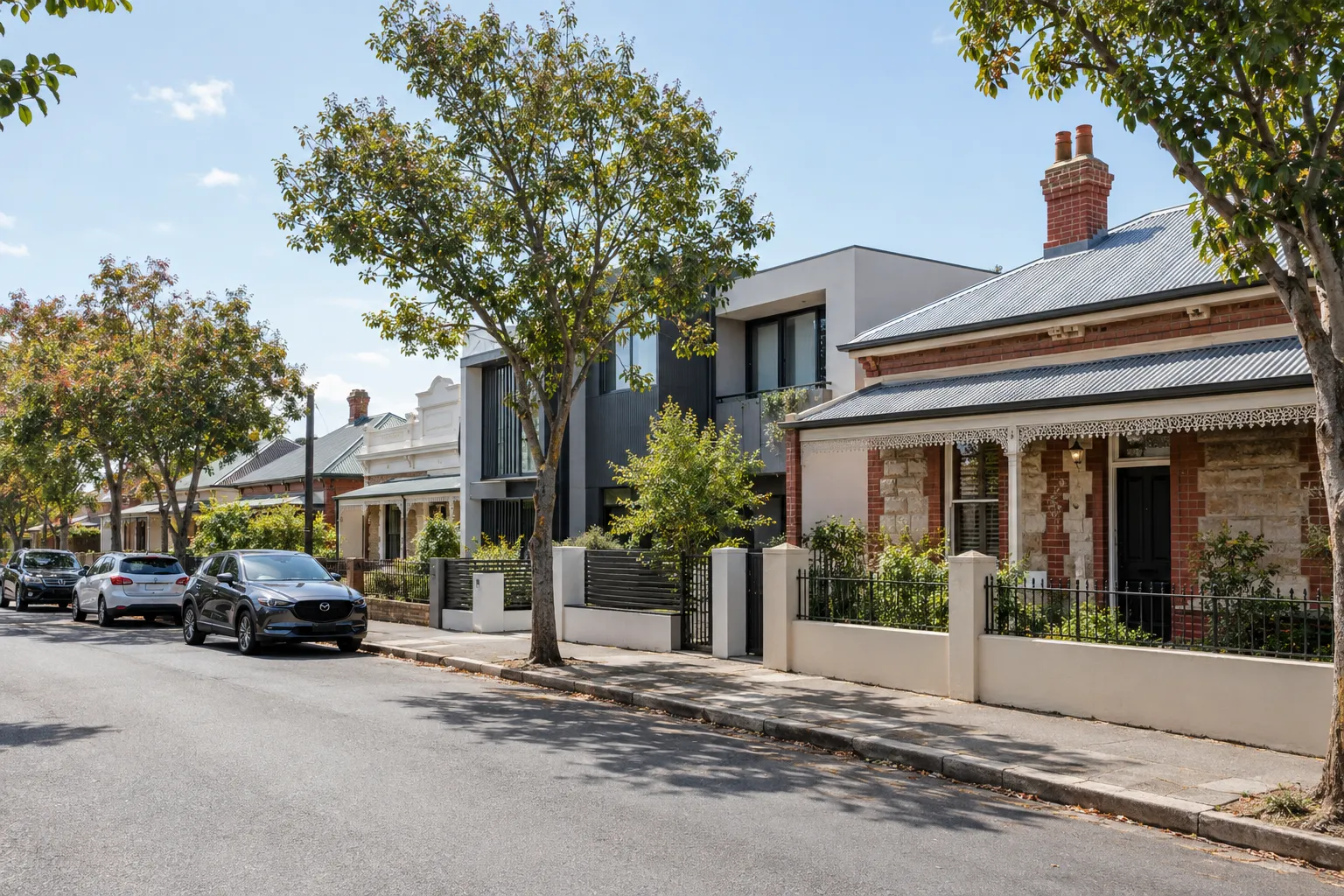
South Australia is launching public consultation on a short stay accommodation register, every Airbnb, Stayz and similar listing would need to be logged with the state government. Consultation runs until October 30, with the register expected to roll out after that. At the same time, the government has closed a stamp duty loophole that let investors avoid tens of thousands in duty by converting residential property to short-stay use.
Two moves, one aim: give the state visibility and levers to pull when short-term rentals squeeze long-term supply.
What the register does
Every short-stay property, whole homes, granny flats, spare rooms rented out regularly, gets listed in a central database. Booking platforms will be part of the process, meaning compliance gets harder to dodge. The state currently has no reliable count of how many properties operate as short stays or their occupancy rates. A parliamentary inquiry last year found that gap made it impossible to assess the sector’s real impact on long-term rental availability.
The register is the first step. Consultation will also test whether South Australia should go further: codes of conduct, noise complaint thresholds, or occupancy caps in high-demand areas. No decisions yet, but the framework is being built.
The stamp duty fix
The second change matters for tax planning. Until now, an investor could buy residential property in a flexible planning zone and claim a stamp duty exemption if they converted it to short-stay use. South Australia’s Stamp Duties Amendment Bill now closes that route. If you buy a residential home and turn it into an Airbnb, you pay stamp duty on the purchase, no exemption.
The size of the bill depends on purchase price. For a $600,000 property, stamp duty in South Australia is around $31,000. Losing the exemption shifts the upfront cost and changes the cashflow equation for anyone modelling short-stay returns.
What this means for yields
Short-stay rental yields depend on occupancy, nightly rates and low vacancy periods. A register alone does not cap those returns, but it creates the infrastructure for future regulation. If the state sees concentrated short-stay activity in suburbs with low long-term rental supply, it can impose caps, restrict new listings or require minimum long-term tenancy periods.
Yields in South Australian holiday markets, Barossa, Adelaide Hills, coastal pockets, have run higher than long-term rentals when occupancy stays above 60 per cent. The trade-off: higher vacancy risk, cleaning and platform fees, and now compliance costs. If occupancy rules or codes of conduct follow the register, margins tighten.
For investors currently running short stays, the register adds reporting load but not immediate cost. The stamp duty change only hits new purchases. The risk is what comes next: if other states follow South Australia’s model, short-stay investment becomes more constrained and less tax-efficient.
The catch
A register is not a ban, but it is a control mechanism. Once the state knows where every listing is and how often it is occupied, it can target high-impact areas without blanket restrictions. That is the same approach Victoria and New South Wales have debated but not yet implemented. South Australia is testing the framework first.
Who this hits
Investors with one or two Airbnb properties in metro or regional South Australia: compliance load increases, but returns stay intact unless further rules follow. Those planning to buy and convert to short-stay use: factor stamp duty into the cashflow model, the exemption is gone. Platforms and property managers: consultation will decide whether they carry reporting obligations or just pass data to the state.
Long-term rental tenants: whether the register shifts properties back to the long-term market depends on what happens after consultation. A register alone does not move supply, it just makes it visible.
What could stall this
Consultation could water down the register if industry pushback is strong enough. Platforms may argue that compliance costs and privacy concerns make a full register unworkable. If the state scales back to voluntary registration or exempts certain property types, the policy loses its leverage.
The other risk: if the register shows short stays are a smaller share of housing stock than assumed, pressure to regulate further may fade. A parliamentary inquiry last year could not quantify the impact because the data did not exist. Once it does, the case for intervention depends on what the numbers show.
The timeline and next steps
Consultation closes October 30. The register design, what gets logged, who reports it, how platforms are involved, will be shaped by feedback from that period. Stamp duty changes are already legislated and apply to new purchases now. Codes of conduct, occupancy caps or listing limits would come later, if the state decides the register shows they are needed.
For investors weighing short-stay property in South Australia: factor stamp duty as a sunk cost, model lower occupancy scenarios to test margin pressure, and track consultation outcomes for signals on future restrictions. Other states are watching this rollout. If South Australia’s register works without major compliance blowback, expect similar frameworks in Victoria and New South Wales within 18 months.
Bottom line for investors
South Australia is moving from no oversight to full visibility on short-stay rentals, and it has removed a stamp duty workaround at the same time. The register itself does not kill returns, but it builds the infrastructure for tighter rules if long-term rental supply does not improve. If you are buying property to run as a short stay in South Australia, the tax benefit is gone and the regulatory risk is rising. Model that into your numbers now, not after the next round of restrictions arrives.
For more on how state-level housing policy is shifting, see our coverage of public land housing releases in NSW and SMSF borrowing restrictions.
Stay across policy changes that affect your investment decisions, subscribe to the Australian Property Review newsletter.
General info, not financial advice.