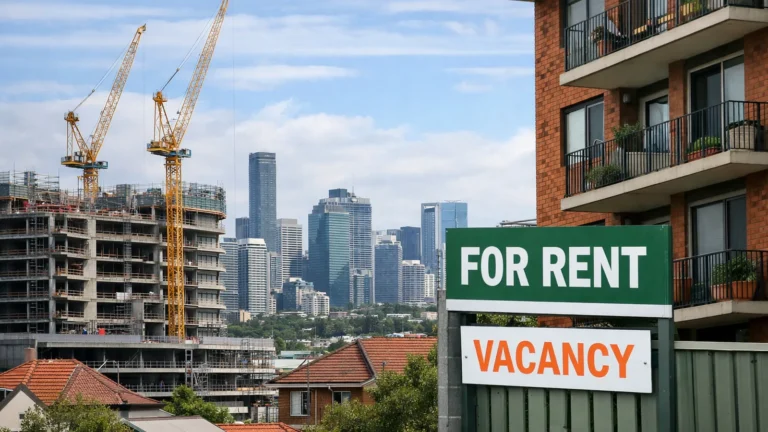
Australia was meant to be edging into a slower, cleaner recovery in 2026. Inflation was still too high, but it had been easing. Rate cuts looked delayed, not dead. The property market looked tired rather than broken.
That base case is now under pressure.
A widening conflict in the Middle East has pushed energy risk back to the centre of the economic story. The Reserve Bank has already lifted the cash rate to 4.10% in March, and the latest ABS figures show annual CPI at 3.7% in February, still above target. Add an oil shock on top of that and the soft-landing story starts to look a lot less soft.
The bigger issue is not just petrol prices. It is what higher energy costs do next. They bleed into freight, food, business costs, consumer sentiment and, eventually, borrowing power. That is how an overseas conflict turns into a local property problem.
What changed, and what didn’t
What changed is the external shock.
Directors, investors and central bankers are no longer treating the Middle East conflict as background noise. Reuters reported this week that the RBA sees a prolonged war as a risk to both growth and inflation expectations. The OECD has also warned that the energy shock is weakening growth and lifting inflation risks across advanced economies, including Australia.
What has not changed is the starting point. Australia was already entering this period with sticky inflation, fragile consumer confidence and a housing market heavily dependent on stable rates and resilient employment. The economy did not need a fresh shock. It got one anyway.
That matters because recessions rarely arrive with one dramatic trigger alone. More often, they show up when a weak system gets hit again.
The part most people miss
Most people hear “oil shock” and think petrol.
That is too narrow.
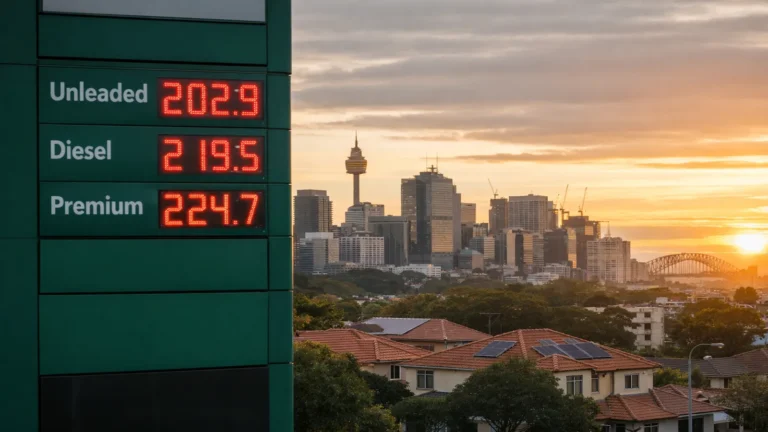
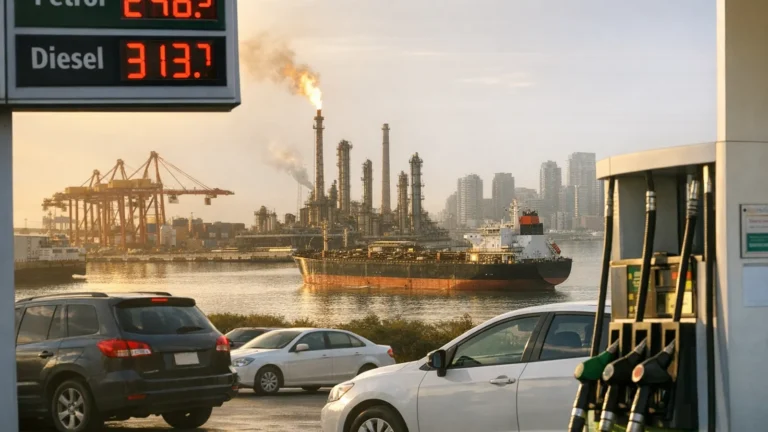
In plain English, dearer oil acts like a tax on the whole economy. Households pay more at the bowser. Businesses pay more to transport goods, run machinery and manage supply chains. If firms cannot absorb those costs, they pass them on. If they do absorb them, margins shrink and hiring slows. Either way, growth weakens.
For the RBA, that creates a nasty policy problem. Central banks do not control wars or shipping lanes. But they do care if a temporary price shock turns into persistent inflation psychology. That is why RBA Assistant Governor Christopher Kent warned that a prolonged conflict could damage growth while also risking an unmooring of inflation expectations.
That is the catch.
A weaker economy does not always mean lower rates. If inflation stays too high, the RBA may have less room to cut than borrowers were hoping for. Reuters reported that the March rate rise to 4.10% came before the full oil shock had even worked through the system.
Why property is exposed
Property does not need a crash to hurt people.
It only needs repayments to stay high while household budgets get thinner.
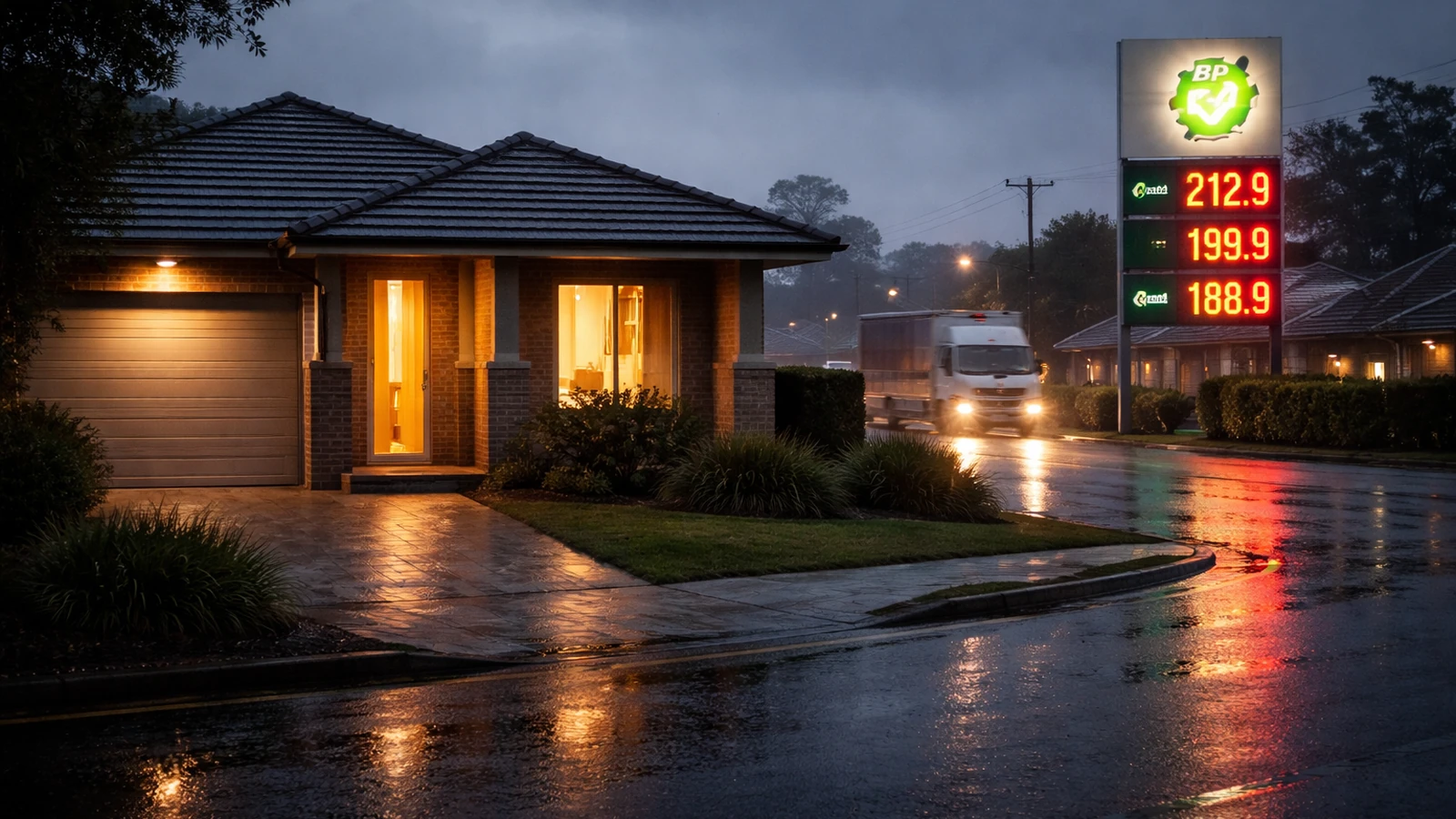
That is the real risk in this kind of environment. Mortgage holders are already dealing with elevated financing costs. If fuel, groceries and utilities rise again, cashflow buffers shrink. If rates stay higher for longer, refinancing gets harder. If business confidence rolls over, job security becomes part of the housing equation too. This is an inference from the macro data and official warnings, but it is a reasonable one.
Recent buyers are the obvious pressure point, especially anyone who purchased near peak prices with thin savings and little margin in serviceability. Investors are not immune either. Rents may stay firm in some markets, but higher holding costs can still crush cashflow if financing and maintenance costs keep climbing.
Regional markets deserve special attention here. A National Party lens on this story is not hard to see. Higher diesel, freight and fertiliser costs do not just hit city commuters. They hit farming, transport, logistics and regional supply chains first and hardest. That means the second-order effects can land outside the capitals before the data fully shows it. Reuters and other recent reporting point to the broader inflation and supply-chain risks from a prolonged conflict.
A recession is not the base case, but it is no longer a fringe one
It would be sloppy to say recession is certain. It is not.
But it would be just as sloppy to pretend the risk has not risen.
The OECD’s March outlook says Australia’s growth prospects have weakened as the energy shock feeds through the global economy. At the same time, official inflation is still running above the RBA’s target band, and monetary policy has already tightened again this year. That is not a comfortable mix.
The real question is not whether Australia can survive a temporary oil spike. It probably can.
The question is whether this shock arrives just as households, businesses and borrowers have run out of room to absorb another one.
That is why boardrooms are getting more cautious. Not because one headline guarantees recession, but because the number of ways the economy can avoid one is getting smaller.
Callout box:
The catch
If oil stays high for long enough, Australia can get the worst mix for property owners:
slower growth, sticky inflation, fewer rate cuts and weaker sentiment at the same time.
That is not a classic housing crash setup. It is a cashflow squeeze.
Three things would materially improve the outlook.
First, a genuine de-escalation that brings energy markets back down quickly.
Second, inflation data that continues to ease despite the shock.
Third, a labour market that holds up well enough to stop mortgage stress turning into forced selling.
If those three happen together, the damage may be manageable. If they do not, recession talk will stop sounding alarmist and start sounding realistic.
Australia’s economy was already wobbling. The Middle East conflict matters because it hits the exact fault lines that were still exposed: inflation, confidence, rates and household cashflow.
For property readers, this is not a call to panic. It is a reminder to stop relying on the old soft-landing script.