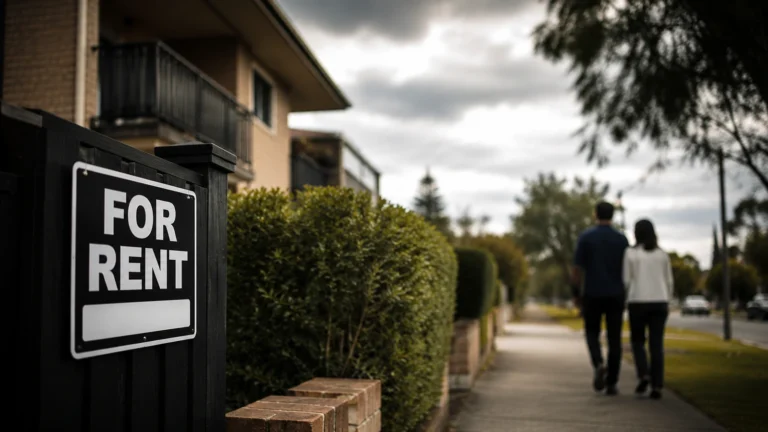
A Queensland family thought mould was making their 10-year-old son sick. Testing revealed methamphetamine contamination throughout the rental property. His skin was covered in raw sores.
The family had no way of knowing. Queensland rental law does not require landlords to test properties for drug contamination or disclose a property’s history to incoming tenants. A decontamination specialist who handles about two contaminated homes every week says almost every property he enters contains children’s clothes or toys.
The health risk is real, the legal gap is clear, and the question is whether incoming policy changes will close it or leave the next family guessing.
How contamination persists and who pays to fix it
Methamphetamine residue does not disappear with a bond clean or a fresh coat of paint. Chemical decontamination takes around three days and costs between $10,000 and $30,000, depending on contamination levels. Residue can remain inside walls, carpets and ventilation systems for up to a decade if not properly neutralised.
A standard end-of-lease clean does not remove it. Professional remediation requires chemical neutralisation and post-treatment testing to confirm the property is safe. Families moving into an untreated property have no visible signal that contamination exists until health symptoms appear.
In plain English
Meth residue sticks to surfaces and becomes airborne through dust. It does not wash away with detergent or disappear when you repaint. Chemical treatment is the only method that neutralises it, and the cost falls on whoever discovers the problem first.
The disclosure void and what tenants can’t see
Queensland’s Residential Tenancies and Rooming Accommodation Act requires landlords to ensure rental properties are fit to live in, kept in good repair and compliant with health and safety standards. It does not specifically address drug contamination or require testing before a property is re-let.
The Residential Tenancies Authority does not maintain a register of contaminated properties. No law in Queensland requires landlords to disclose crimes or events that occurred at a property when it is sold or rented. If a landlord chooses not to test after tenants vacate, the next family moves in without knowledge of what happened in that home.
One Brisbane landlord discovered contamination in her investment property after tenants had been smoking methamphetamine inside. She arranged cleaning, but contamination returned. After three cleaning attempts and a multi-year dispute with her insurer, the insurer eventually paid the property’s full insured value during dispute resolution. She could not in good conscience re-let the property while contamination persisted.
Another group of four properties in the same southeast Queensland suburb required decontamination after tenants had already moved in. The families had no prior warning.
Where the contamination is turning up
Decontamination work has been carried out in properties across southeast Queensland and regional centres including Longreach. Suburbs requiring treatment include Yarrabilba, Hope Island, Sanctuary Cove, Marsden, Woodridge, Deception Bay and Mitchelton. Demand for decontamination services has steadily increased as awareness grows.
The pattern is not confined to lower-rent suburbs. Contamination has appeared in properties across price brackets and locations, including prestige addresses.
What policy could do and what it probably won’t
New Zealand introduced mandatory testing and a register of contaminated properties. Queensland has not followed that model. The Residential Tenancies Authority confirmed the Queensland Government is not considering changes to rental laws at this time.
Without a register, there is no public record of which properties have been contaminated and whether remediation has been completed. A landlord who discovers contamination can choose to remediate the property or rent it out without disclosure. The next tenant has no way to verify the property’s history.
Industry bodies note that landlords are required to ensure rental properties are fit to live in and compliant with minimum housing standards, which may require remediation works. The enforcement mechanism relies on tenants discovering the problem and escalating it, which typically happens after health symptoms appear.
Trade-offs and what happens next
Mandatory testing before re-letting would give tenants certainty but would impose upfront costs on landlords, including properties where no contamination exists. A contamination register would prevent families from unknowingly moving into unsafe homes but could stigmatise properties long after successful remediation, affecting resale and rental values.
The current approach places the discovery burden on tenants, who have no testing obligation and no access to a property’s tenancy history. The health risk falls on the next family in line.
Financial stress is rising across Australian households, and the cost of unexpected remediation can push already-stretched budgets into crisis. Landlords facing a $20,000 decontamination bill may be tempted to skip testing and re-let the property, especially if insurance disputes drag on for years.
If you are renting and concerned about contamination, request testing before signing a lease. If you are a landlord re-letting after a tenant vacates, consider professional testing if you have any reason to suspect drug use occurred. The cost of testing is a fraction of the cost of remediation, and the health risk to the next family is real.
Subscribe to the newsletter for weekly analysis of rental policy, tenant protections and property risk.
General info, not financial advice.