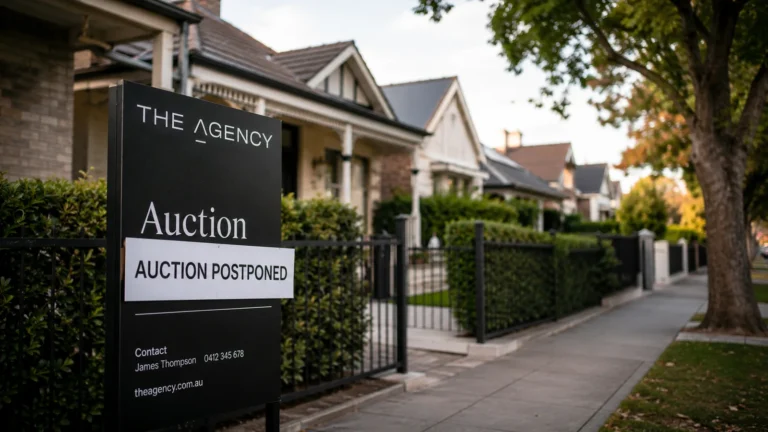
When a vendor includes an Alfa Romeo with their house or a Mercedes with a Blue Mountains weekender, it’s not generosity. It’s a signal that the usual levers aren’t working. Sydney listings climbed 28 per cent year-on-year in July to 39,400 properties, and clearance rates are sliding. Rather than drop prices, some vendors are gambling that a $40,000 car might close a $1.2 million negotiation gap without formally lowering the number on the contract.
The tactic reveals something useful about where the market sits: vendors still anchored to 2021-2023 price expectations, buyers waiting for discounts they believe are coming, and the standoff creating enough friction that novelty incentives start looking rational.
What the sweeteners actually cost
A new MG4 EV retails around $38,000. An Alfa Romeo 4C, depending on mileage and condition, sits between $50,000 and $70,000. Against a median Sydney house price of $1.15 million, that’s 3-6 per cent of the transaction. Compare that to a formal price reduction: vendors perceive a $50,000 cut as a public signal of distress, while a car bundled into the listing reads as a bonus.
The psychology matters more than the accounting. Dropping the asking price resets comparable sales data for the street and signals weakness to other buyers circling the property. Throwing in a vehicle lets the vendor maintain the headline price while offering something tangible to bridge the gap.
Fully-furnished walk-in arrangements follow the same logic. A Blue Mountains holiday home filled with white goods, furniture, garden equipment and kitchen items might represent $15,000-$30,000 in replacement value. For a vendor who doesn’t want to organise removalists or storage, it’s a low-friction concession. For a buyer stretching to meet the purchase price, it eliminates immediate post-settlement costs.
Who this works for and who it doesn’t
These incentives are concentrated in three property types: lifestyle properties (Blue Mountains, Central Coast, Southern Highlands), entry-level suburban homes where first-time buyers are stretching serviceability limits, and prestige listings competing in a thin buyer pool.
They don’t appear in genuinely distressed sales or mortgagee auctions, where price is the only variable that matters. They also don’t show up in tightly-held inner-city pockets where inventory remains constrained. The sweetener strategy is a middle-market phenomenon: enough competition to create urgency, not enough to force capitulation.
For buyers, the calculus is straightforward. If you were planning to buy a car within 12 months or furnish the property anyway, the included extras have real value. If you weren’t, you’re being offered something you didn’t want in place of the price reduction you do want.
The risk for buyers is overpaying for the core asset because the novelty distracted from the fundamentals. A $1.2 million house with a $50,000 car is still $1.2 million, and if comparable sales in the street are settling at $1.1 million, the car doesn’t change the financing equation.
The mechanics of a standoff
Listings are up, days on market are extending, and auction clearance rates in Sydney have dropped below 60 per cent in recent weeks. Buyers are holding back, waiting for either lower prices or certainty that rates have peaked. Vendors are holding back, unwilling to accept that their property is worth 5-10 per cent less than their neighbour’s sale 18 months ago.
Incentives are the compromise position. They let vendors avoid repricing while giving buyers a tangible reason to move. The question is how long this middle ground holds.
If listings continue climbing and days on market stretch past 90 days, the sweeteners will stop working. Buyers will ignore the car and focus on the price. Vendors will either drop their expectations or pull the property off the market and wait for conditions to improve.
If listings stabilise and clearance rates recover, the incentives will have done their job: they kept transactions moving during a soft patch without forcing a broader repricing.
Key numbers
- Sydney listings: 39,400 in July, up 28% year-on-year
- Median house price: $1.15 million
- Typical car incentive value: $38,000-$70,000 (3-6% of transaction)
- Fully-furnished home contents: $15,000-$30,000 in replacement cost
- Auction clearance rate: below 60% in recent weeks
Scenarios over the next six months
Base case: listings plateau, sweeteners remain common through spring but fade by summer as vendors either sell or withdraw. Prices drift down 2-4 per cent in outer suburbs, hold flat in tightly-held pockets. The car-with-house tactic is remembered as a quirk of mid-2025.
Downside: listings keep climbing, days on market exceed 100 days, clearance rates drop below 50 per cent. Vendors who relied on incentives are forced to formally drop prices. The gap between asking and selling widens, and the market reprices 8-12 per cent from the 2023 peak. Sweeteners disappear because they no longer move the needle.
Upside: a surprise RBA rate cut in Q4 2025 or a sharp lift in migration reignites buyer urgency. Listings clear quickly, incentives vanish, and vendors who held firm are vindicated. Prices stabilise and edge up 2-3 per cent by early 2026.
What this means for your next move
If you’re buying: ignore the novelty and focus on comparable sales. A free car is only valuable if you were buying one anyway, and even then it shouldn’t justify paying more than the property is worth. Use the fact that vendors are offering incentives as proof they’re motivated, and negotiate on price first.
If you’re selling: understand that sweeteners work as a bridging tactic, not a substitute for realistic pricing. If your property has been on the market longer than 60 days and you’re now considering incentives, the problem is usually the price, not the marketing. Offering a car might generate interest, but it won’t close a deal if buyers believe they can get the same property cheaper by waiting.
The standoff won’t last indefinitely. Either buyers capitulate and pay close to asking, or vendors capitulate and reprice. Incentives just extend the negotiation.
If comparable sales in your area have dropped but you’re anchored to last year’s valuation, the sweetener is expensive procrastination. Timing matters more than most vendors assume, and three months of holding costs can exceed the value of the car you’re throwing in.
Subscribe to the newsletter for the weekly read on where listings, clearance rates and vendor behaviour are heading next.
General info, not financial advice.