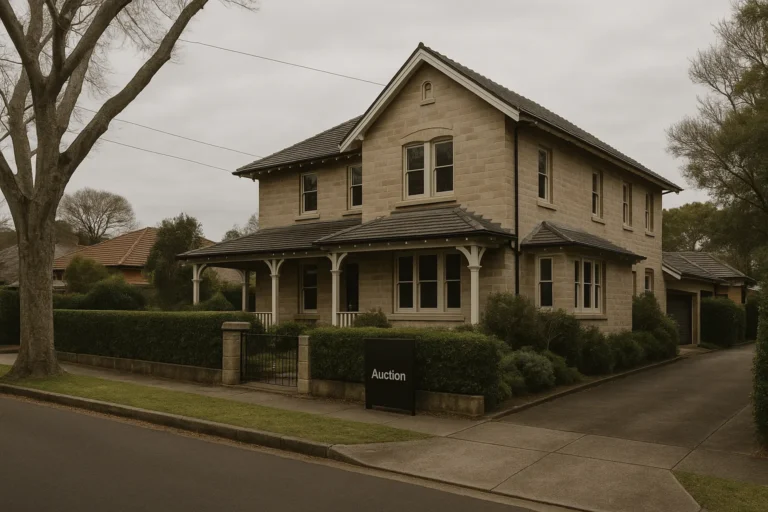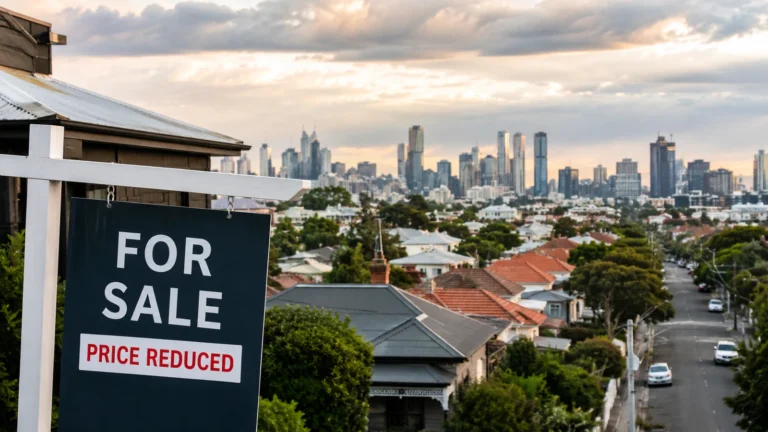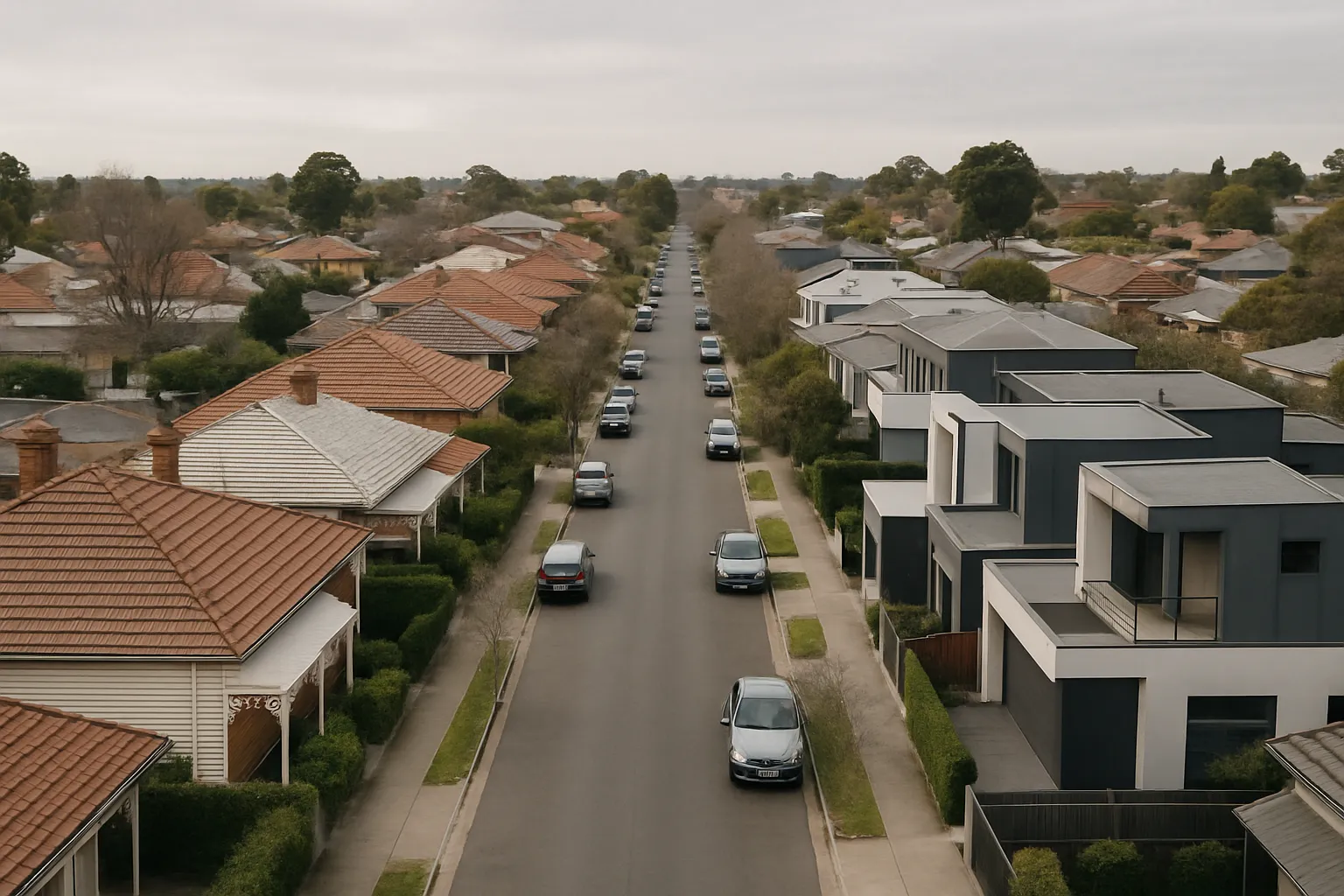
Melbourne and Sydney auction markets are weakening, with clearance rates trending down across both cities. But the headline number hides a structural split: prestige properties in tightly held suburbs are still drawing competitive bidding, while mid-market stock is passing in or selling below reserve. That two-tier pattern matters because it signals where price falls will concentrate over the next three to six months.
Clearance rates measure the share of auctioned properties that sell on the day. When rates fall below 60 per cent, it typically indicates price pressure is building. Melbourne and Sydney are both tracking in that direction, but the aggregate figure masks what’s happening at different price points. High-end homes in established inner-ring suburbs are still attracting multiple registered bidders and selling at or above reserve. Mid-market properties in outer suburbs and second-tier locations are passing in or requiring post-auction negotiation to transact.
The mechanics of the split
Prestige markets have structural resilience because supply is constrained. There are only so many period homes in Toorak or harbourside terraces in Mosman, and cashed-up buyers who want those assets are still competing. The buyer pool is smaller but more persistent, and financing constraints matter less when deposits are larger and incomes are higher. These properties also tend to be held longer, so forced selling is rare even when rates rise.
Mid-market properties face the opposite dynamic. Supply is higher, buyer competition is thinner, and serviceability constraints are biting harder. A household earning $180,000 borrowing $900,000 at 6.5 per cent has less buffer than a household earning $400,000 borrowing the same amount. When auction volumes rise and clearance rates fall in this segment, it’s a sign that sellers are testing the market and finding fewer active bidders. That pushes negotiation power to buyers and puts downward pressure on prices.
The numbers that matter
- Clearance rates below 60 per cent typically signal price falls are ahead
- Mid-market auction volumes are rising as sellers test demand before winter
- Prestige stock in inner-ring suburbs is tightly held, limiting supply
- Serviceability constraints hit hardest at borrowing multiples above 5x income
What this pattern reveals
The two-tier auction market is not a temporary quirk. It reflects a structural divergence in who is still transacting and who is pulling back. Prestige buyers are less reliant on maximum borrowing capacity and more insulated from serviceability tightening. Mid-market buyers are stretched on both fronts. When auction clearance rates fall, the question is not whether prices will soften but where the softening will concentrate.
This matters for price trajectory because mid-market properties make up the bulk of transaction volume. If clearance rates stay weak in this segment, it will drag median prices down even if prestige sales hold firm. The mix effect can mask the real pressure for months, but eventually the volume effect wins.
Who feels the pressure
Sellers in outer suburbs and second-tier locations are most exposed. If you listed a property in the past four weeks expecting competition and saw fewer than three registered bidders, you are already in the softening zone. Buyers in this segment have more negotiating power now than they did six months ago, and that power grows as clearance rates fall further.
Prestige sellers are insulated for now, but only if they are not forced to sell. If you need to transact within a fixed timeline, even a strong location does not guarantee a result at your price. The difference is that prestige markets clear faster when a motivated seller appears, because the buyer pool is still active.
The path from here
If auction clearance rates stay below 60 per cent for another six to eight weeks, price falls in the mid-market will accelerate. Prestige markets can hold for longer, but they are not immune if credit conditions tighten further or if high-income earners start pulling back on discretionary spending. The risk is not immediate collapse but a slow grind lower in transaction volume and negotiated prices.
Two factors could reverse the trend. A near-term rate cut would restore some serviceability headroom and bring buyers back to auctions. A sharp fall in listings would tighten supply and stabilise clearance rates even without a change in demand. Neither looks likely in the next quarter based on current RBA commentary and seasonal listing patterns.
Scenarios worth tracking
Base case: clearance rates drift lower through winter, mid-market prices fall 3 to 5 per cent over the next quarter, prestige markets hold flat or edge down 1 to 2 per cent. Transaction volumes stay subdued until spring.
Upside: earlier-than-expected rate cut in Q3 lifts buyer confidence, clearance rates stabilise above 60 per cent, price falls are contained to 1 to 2 per cent. Prestige markets see a late-year bounce.
Downside: serviceability constraints tighten further, clearance rates fall below 50 per cent, mid-market prices drop 6 to 8 per cent, prestige markets follow with a lag as discretionary buyers step back.
Practical take for buyers and sellers
If you are buying mid-market property in Melbourne or Sydney, auction clearance rates below 60 per cent give you negotiating leverage. Register for auctions, watch for passed-in properties, and be ready to negotiate post-auction. You are not in a rush.
If you are selling and can wait, spring will give you better clearance rates and more competition. If you cannot wait, price to the market now rather than testing it. A passed-in auction is harder to recover from than a realistic reserve.
Housing market downturn: Perth, Brisbane cushion vs Melbourne risk covers how other capitals are tracking relative to Melbourne and Sydney. Housing supply hits seven-year high as clearance rates collapse explains the supply dynamics driving auction weakness. For the weekly signal on auction trends and price pressure, subscribe to the newsletter.
General info, not financial advice.