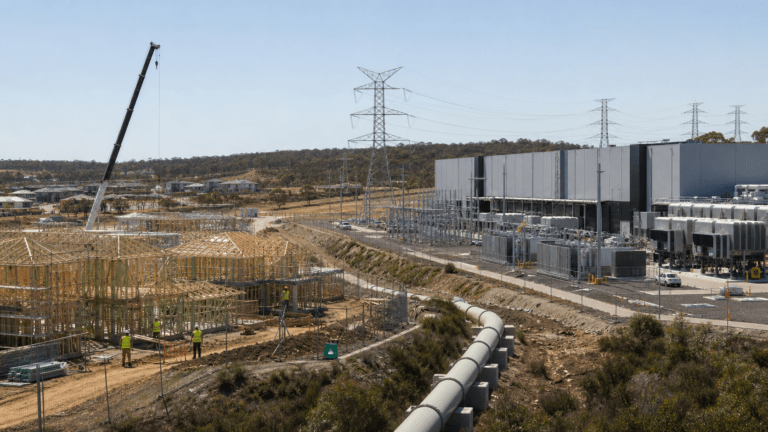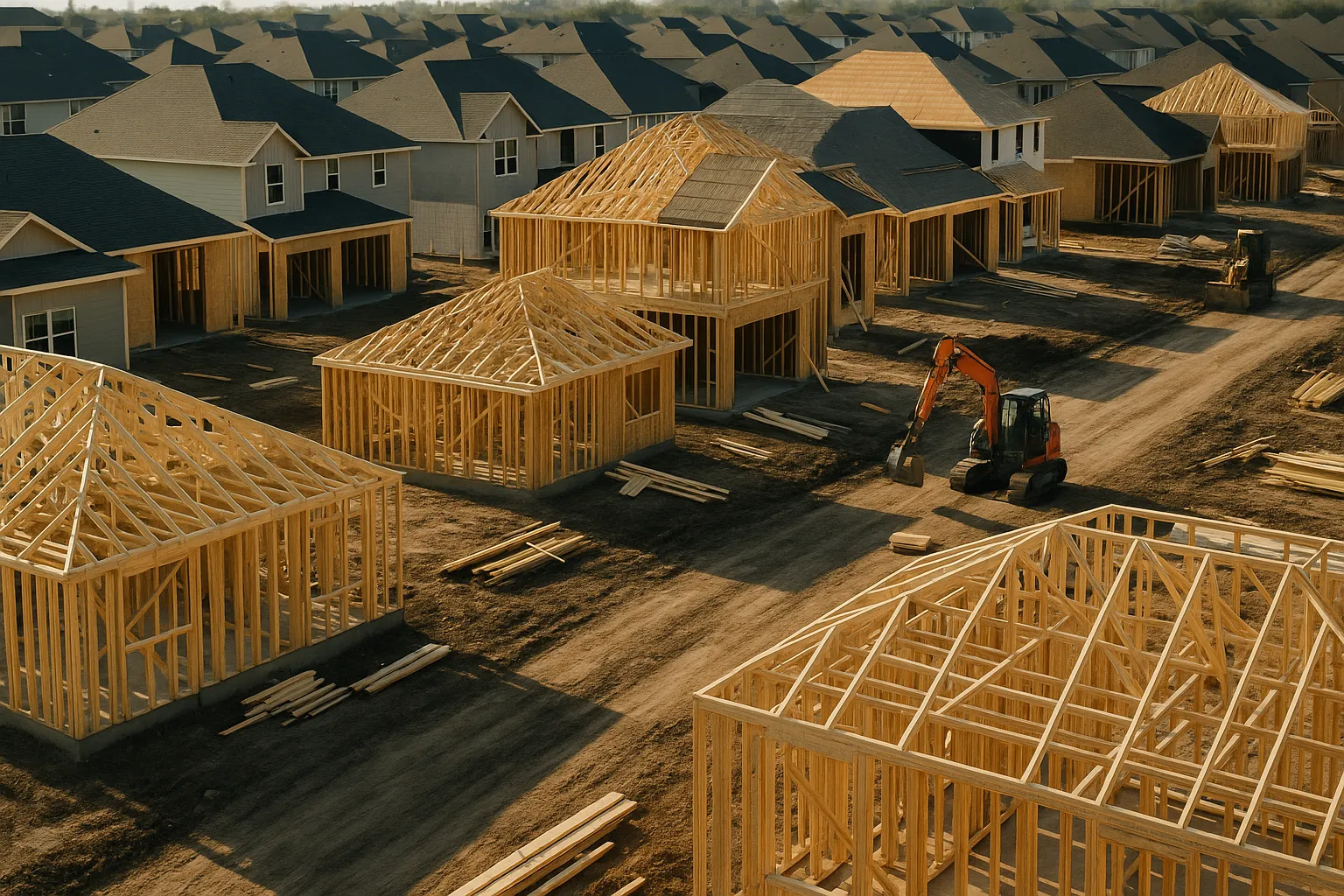
Australia rolled out significant planning reforms designed to accelerate housing construction, yet the national supply target continues to slip backward. The gap raises a sharper question than whether reform works in theory: where exactly is the blockage stopping approved projects from turning into finished homes?
If streamlined approvals aren’t translating to faster builds, the constraint sits elsewhere in the delivery chain. That matters because throwing more reform at a problem that isn’t fundamentally about approvals wastes political capital and delays solutions that might actually move supply.
Where planning reform was supposed to help
The logic behind recent planning changes was straightforward: cut assessment times, reduce discretionary objections, allow higher density in transit corridors, and developers would respond by starting more projects. State governments introduced code-compliant pathways, relaxed height limits in targeted zones, and in some cases removed third-party appeal rights for complying developments.
In isolation, those changes remove friction. The question is whether friction at the planning stage was ever the binding constraint.
The four genuine bottlenecks
Four structural issues determine whether an approved project actually gets built, and planning reform touches only one of them indirectly.
Skilled labour shortages. Residential construction employment has contracted sharply over the past eighteen months. Trades that left the industry during COVID-era lockdowns haven’t returned at the rate required to hit supply targets. Construction job losses are deepening the supply crisis, and no amount of faster approvals creates carpenters or bricklayers.
Development finance availability. Banks tightened serviceability for developers and pulled back on spec construction loans as interest rates rose. Non-bank lenders have grown their share of the mortgage market but remain a smaller presence in development finance. Projects that clear planning hurdles still stall at financial close if the numbers don’t work at current borrowing costs.
Materials cost volatility. Timber, steel, concrete and electrical components saw sharp price increases through 2022–2024, then fell unevenly. Developers who locked in fixed-price contracts during the spike either wore losses or walked away from projects. Materials cost certainty matters more to construction starts than approval speed.
State and council-level implementation gaps. Planning reform announced at state level doesn’t always cascade to local council processes at the same pace. Councils retain control over infrastructure contributions, car parking requirements, building envelope rules and design review panels. A streamlined state pathway still hits delays if council conditions or levies make the project unviable.
What the slipping target tells us
If planning reform were the binding constraint, we’d expect to see approval volumes rise sharply and construction starts follow with a natural lag of three to six months. Instead, approvals have lifted modestly in some jurisdictions while starts remain flat or declining.
That pattern suggests the constraint sits further down the chain: either at the point where finance gets committed, where builders can be secured, or where material costs allow a viable margin.
The national target, 1.2 million homes over five years from mid-2024, assumed planning reform would unlock latent supply. If latent supply doesn’t exist because the industry lacks the labour, finance or cost structure to deliver it, the target becomes aspirational rather than achievable.
Trade-offs no one wants to name
Accelerating supply means choosing between speed, cost and quality. Faster approvals without addressing labour shortages push up wages and stretch timelines as the same pool of trades spreads thinner. Relaxing building standards or safety requirements to cut costs creates future maintenance liabilities and reduces housing stock quality. Subsidising materials or development finance costs taxpayers directly.
None of those trade-offs are politically attractive, which is why planning reform remains the preferred lever, it signals action without requiring budget outlays or confronting industry capacity limits.
Scenarios over the next twelve months
Base case: approvals continue to rise modestly as planning reforms bed in, but construction starts lag due to labour and finance constraints. The supply target slips further behind, prompting renewed political focus on immigration settings for construction trades and potential changes to development finance settings.
Upside case: interest rate cuts improve development finance viability, and a coordinated push to bring trades back into residential construction (possibly through wage subsidies or training incentives) lifts starts materially in the second half of 2026. The gap narrows but the five-year target remains out of reach.
Downside case: a broader economic slowdown reduces dwelling demand, making marginal projects unviable even with planning approvals in hand. Starts fall further, and the political conversation shifts from reform to whether the target itself needs revision.
What state and federal governments should watch
If planning reform was going to be the solution, we’d already see the signal in approvals and early-stage construction activity. The absence of that signal after eighteen months of reform effort means the real constraints are elsewhere.
Governments need to decide whether to double down on addressing labour, finance and materials bottlenecks, all of which require funding, industry coordination and time, or reset the supply target to align with the industry’s actual capacity to deliver.
Continuing to announce planning reforms without tackling the binding constraints creates the appearance of action while the gap widens.
Key numbers
- National housing supply target: 1.2 million homes over five years from mid-2024
- Construction employment: down sharply over eighteen months, limiting build capacity
- Approvals vs starts gap: approvals lifted modestly in some states, starts flat or declining
- Development finance: tighter serviceability and reduced spec lending as rates rose
What comes next
If you’re waiting for planning reform to unlock supply and ease price pressure, the evidence suggests it won’t deliver at the scale required without parallel action on labour, finance and materials constraints.
Prefab and modular construction has been proposed as one way to bypass skilled labour shortages, but it faces its own implementation challenges.
For buyers, this means supply relief remains further out than the official target implied. For policymakers, it means choosing between politically difficult interventions (training subsidies, development finance backstops, immigration settings) or revising the target to match what the industry can actually build.
The next six months will show whether governments shift focus to the real bottlenecks or continue prioritising approvals reform that’s already been delivered.
Subscribe to the Australian Property Review newsletter for weekly analysis on what’s actually moving supply, prices and policy.
General info, not financial advice.