The headline inflation number for July came in higher than forecasters expected, and the measure the Reserve Bank watches most closely, trimmed mean inflation, didn’t move at all. That keeps another interest rate hike on the table, even as most borrowers are waiting for cuts.
The Consumer Price Index rose 3.5% for the twelve months to July, down from 3.8% in June but ahead of consensus. More concerning: the trimmed mean, which strips out the most volatile price swings to show underlying pressure, stayed flat at 3.6%. That’s well above the RBA’s 2–3% target range and suggests domestic inflation isn’t cooling as quickly as hoped.
The numbers that matter
July’s inflation data is the last reading the RBA will see before its September board meeting. Here’s what moved:
- Headline CPI: 3.5% annual, down from 3.8% in June
- Trimmed mean: 3.6%, unchanged from June
- Housing costs: up 5%, driven by new dwelling construction (materials and labour)
- Petrol: up 7.5% in July after three months of falls, partly due to fuel excise changes
- Food: up 3.2%
The trimmed mean matters because it filters out the noise, petrol swings, one-off rebates, seasonal produce spikes. When it doesn’t move, it signals inflation is stickier than the headline suggests.
Why the reading came in hot
Fuel prices jumped in July as global oil costs rose and the federal government’s excise discount was wound back from 50% to 25%, then removed entirely. Electricity tariff cuts and other policy interventions also distorted the picture, making it harder to isolate real price pressure from temporary relief measures.
Housing was the largest contributor to inflation, driven by the cost of building new homes rather than existing property prices. Construction material and labour costs continue to climb, and builders are passing those increases through to buyers. The CPI doesn’t track existing home price movements, it measures new builds, rents, maintenance and utilities.
Food and recreation costs also added to the basket, though the pace of increase has slowed from earlier in the year.
The RBA’s next move
The Reserve Bank has been clear: domestic inflation is the problem, not just global shocks. Productivity growth remains weak, wage pressures persist, and services inflation hasn’t softened enough to give the board confidence that underlying demand is cooling.
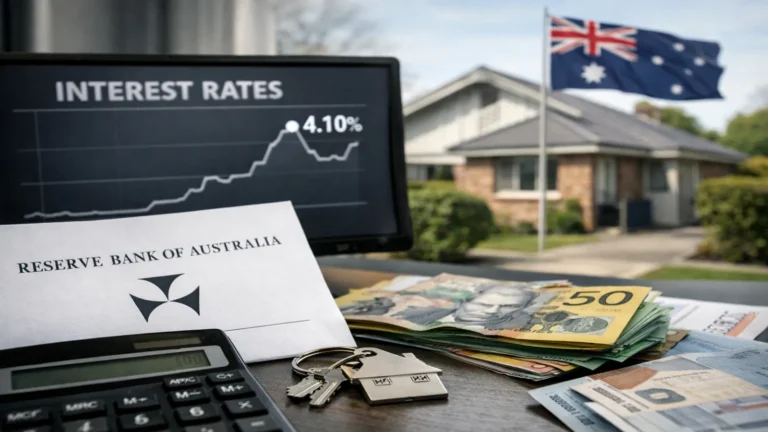
At its August meeting, the RBA held the cash rate at 4.35% and did not discuss cuts. The minutes confirmed the board is watching for any sign that inflation could stay elevated longer than forecast, and if that materialises, another hike is possible.
The bank has brought forward its timeline for inflation returning to target, now expecting the midpoint of the 2–3% range by late 2027 instead of mid-2028. But it has also flagged that forecast as uncertain, and the trimmed mean staying at 3.6% doesn’t support the case for early relief.
What’s happening to property prices
National home prices have fallen 1.8% since March, led by drops in Sydney and Melbourne. One major lender’s internal modelling expects Sydney prices could fall up to 15% this calendar year, with combined capital city falls of around 4% in 2026 and 3% in 2027.
The RBA has modelled the impact of a 20% property price decline and found it would not materially threaten financial stability, but falling values do affect household wealth, borrowing capacity and construction activity, all of which feed back into inflation dynamics.
Property tax changes introduced in July and the ongoing Middle East conflict have weighed on consumer confidence, which in turn affects spending and price-setting behaviour.
Base case and downside scenarios
Base case: the RBA holds at 4.35% through the rest of 2026 and begins cutting in the first half of 2027. Major lenders are split on timing, with forecasts ranging from May to September next year for the first reduction.
Downside: if trimmed mean inflation doesn’t ease by the November or December reading, or if services inflation accelerates again, the board could deliver one more 25-basis-point hike, taking the cash rate to 4.60%, a fifteen-year high.
Upside: a sharper-than-expected slowdown in domestic demand, driven by falling property prices and weaker consumer spending, could bring forward the first cut to early 2027. But the current data doesn’t support that scenario yet.
The practical take for borrowers
If you’re carrying variable debt, model your cashflow against a 4.60% cash rate, not because it’s certain, but because it’s still possible. Check your offset balance, review your repayment buffer, and compare sub-6% variable rates from smaller lenders if you haven’t refinanced recently.
If you’re waiting to buy, don’t assume cuts are coming soon. Serviceability buffers are calculated at current rates plus a margin, so even if you can afford today’s repayments, the assessment rate might still lock you out. First home buyers are already facing $20,000 deposit shortfalls, timing the market for a rate cut adds another layer of risk.
For investors, keep an eye on rental yield versus holding costs. If prices fall further and rates stay elevated, negatively geared properties will burn more cash before any capital gain materialises.
Key risks over the next four months
- Services inflation accelerates again, forcing the RBA’s hand on another hike
- Property prices fall faster than modelled, hitting construction activity and household spending
- Global oil prices spike due to Middle East escalation, pushing fuel and transport costs higher
- Wage growth stays elevated without productivity gains, keeping domestic inflation sticky
General info, not financial advice. If you want the weekly signal on rates, inflation and what’s moving the market, subscribe to the Australian Property Review newsletter.