More Australian families are stacking three generations under one roof. The question isn’t whether it’s happening, Census data and anecdotal broker reports confirm it is, but whether this is a temporary response to affordability strain or a structural change that rewrites how we think about housing demand, property design, and retirement funding.
The setup is straightforward: parents, adult children, and grandchildren sharing a home. Sometimes it’s aging parents moving in with their kids. Sometimes it’s adult children returning with their own families because they can’t afford to buy or rent solo. Either way, the household shape is changing.
What’s driving the shift
Three forces are converging. First, home ownership affordability has deteriorated sharply over the past decade. Median dwelling prices in Sydney and Melbourne sit well above six times median household income, and serviceability tightened further after the 2022–23 rate cycle. That locks younger buyers out or delays entry by years.
Second, rental affordability has compressed. Vacancy rates in major capitals have hovered below 2 per cent for extended periods, pushing rents higher and squeezing household budgets. Families who might have rented separately are doubling up instead.
Third, Australia’s aging population is creating a different pressure point. Retirees who are asset-rich but income-constrained are consolidating with their children to pool resources, share caregiving, and reduce living costs. The superannuation system was designed around the assumption that retirees would downsize or age in place in modest homes. Multigenerational arrangements flip that.
The property design problem
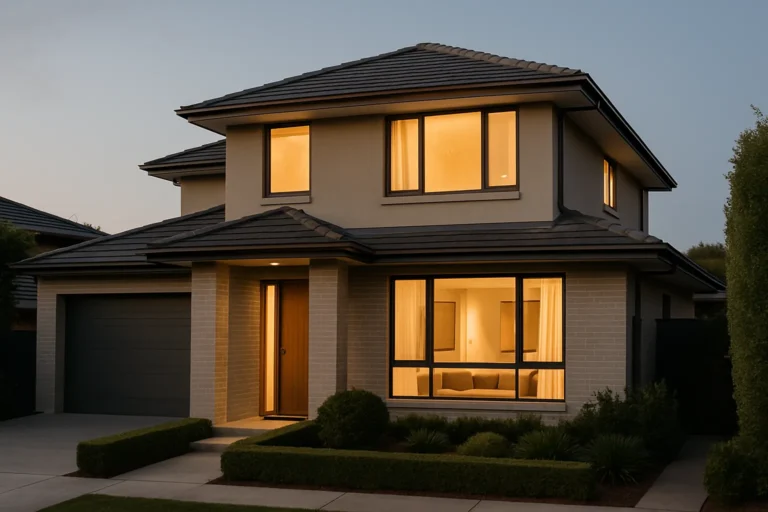
Most Australian housing stock wasn’t built for this. The standard three-bedroom house or two-bedroom apartment assumes a nuclear family or couple. Add a second adult generation and their children, and the layout breaks. You need separate living zones, extra bathrooms, soundproofing, dual kitchens or kitchenettes, and flexible space that can shift as family needs change.
Developers and planners are slowly catching up. Granny flats have become more common, though councils still cap size and restrict commercial use. Some new builds in growth corridors include dual-occupancy or multigenerational floor plans, but the pipeline is thin. Retrofit is expensive and often constrained by lot size, setbacks, and planning overlays.
The mismatch creates tension. Families want the arrangement, but the housing stock doesn’t accommodate it comfortably. That drives DIY extensions, illegal builds, and overcrowding.
The retirement funding wrinkle
The shift also complicates retirement planning. Traditional advice assumed retirees would downsize, release equity, top up super, and live modestly. Multigenerational households invert that. Instead of releasing equity, retirees might contribute to upsizing or renovating to fit everyone in. That can lock up capital and reduce flexibility.
On the flip side, it can cut living costs for everyone. Pooled expenses, rates, utilities, groceries, spread thinner. Caregiving costs drop if family members provide support instead of paying for aged care. The trade-off is less independence and more complexity around estate planning, tax treatment of shared expenses, and who owns what.
Super funds and financial planners are starting to see clients asking about multigenerational strategies, but the advice frameworks lag. Most calculators and models still assume solo or couple households.
The catch
- Not all families can make it work emotionally or logistically, cramming three generations together requires compromise and clear boundaries
- Zoning and planning rules in many councils still treat multigenerational setups as edge cases, making legal additions slow and costly
- If housing affordability improves or rates fall enough to restore serviceability, some families will split again, the question is how many
- Estate planning gets messy when assets are co-mingled or one generation funds renovations on a property they don’t own
Who this benefits and who it squeezes
Families with existing equity win. If you own a house outright or have substantial equity, adding a granny flat or renovating to accommodate extra generations is feasible. Renters and first-home buyers stuck in the market miss out, they’re the ones doubling up out of necessity, not choice.
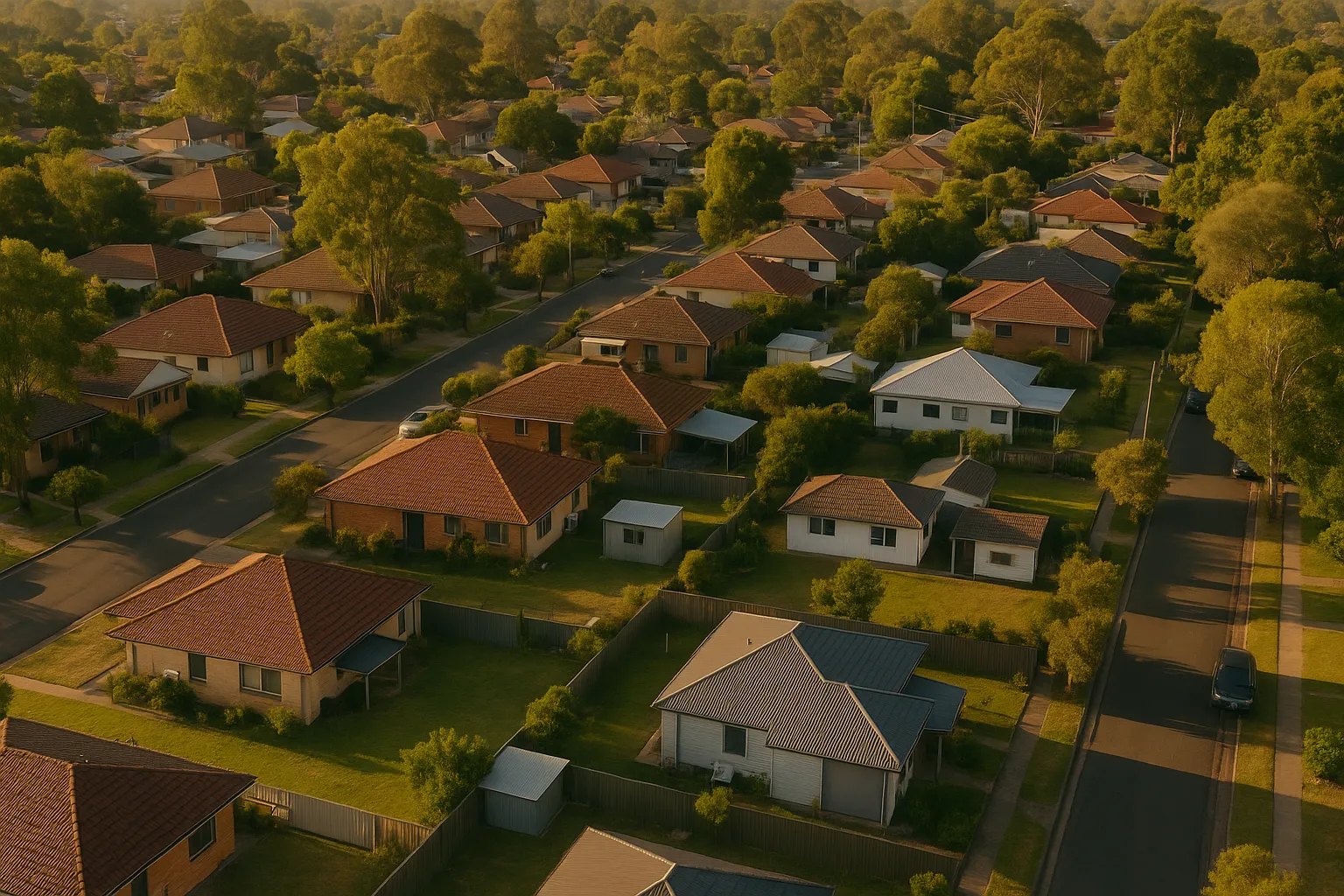
The shift also changes demand. Larger blocks with subdivision potential or homes with flexible floor plans become more valuable. Inner-city apartments and small townhouses lose appeal if they can’t adapt. Suburban family homes in middle-ring suburbs with big blocks could see sustained demand if the trend holds.
What would need to change for this to reverse
Affordability would need to improve materially. That means either prices falling, incomes rising faster than housing costs, or both. Rate cuts help serviceability but don’t fix deposit gaps or rental supply shortages. Migration settings, zoning reform, and construction activity all feed into this, but none move fast.
Cultural norms matter too. If multigenerational living becomes normalised rather than a stopgap, it could persist even if affordability eases. Other countries, parts of Europe, Asia, Latin America, have sustained multigenerational household structures through various economic conditions. Australia’s shift might be permanent if attitudes change.
The practical angle for property decisions
If you’re buying, think about adaptability. Can the property accommodate a granny flat, a second living zone, or an extension? Check council overlays, lot size, and setbacks before you commit. Properties that can flex as family needs change hold more optionality.
If you’re already in a multigenerational arrangement or considering one, lock down the financial and legal structure early. Who owns what? Who pays for renovations? How does equity get divided if someone moves out or passes away? Get written agreements and estate plans updated. The emotional side gets harder if the money side is unclear.
For investors, watch middle-ring suburban markets with larger blocks. If the trend is structural, those properties could outperform tightly held inner-city stock that can’t adapt.
Bottom line
Multigenerational households are rising because housing has become too expensive for many families to split into separate dwellings. Whether it’s temporary or permanent depends on affordability, planning systems, and cultural shifts. The housing stock wasn’t designed for it, retirement models don’t fully account for it, and the policy settings haven’t caught up. If you’re making property or financial decisions in the next few years, assume the trend persists until something material changes.
Subscribe to the newsletter for the weekly signal on what’s shifting in Australian property.
General info, not financial advice.