More than 39,000 jobs disappeared in the latest ABS labour force release, worse than markets had pencilled in. The participation rate also slipped, to 66.8% from 67.1%. For anyone carrying a mortgage, that is no longer just a labour market story. It is a credit story.
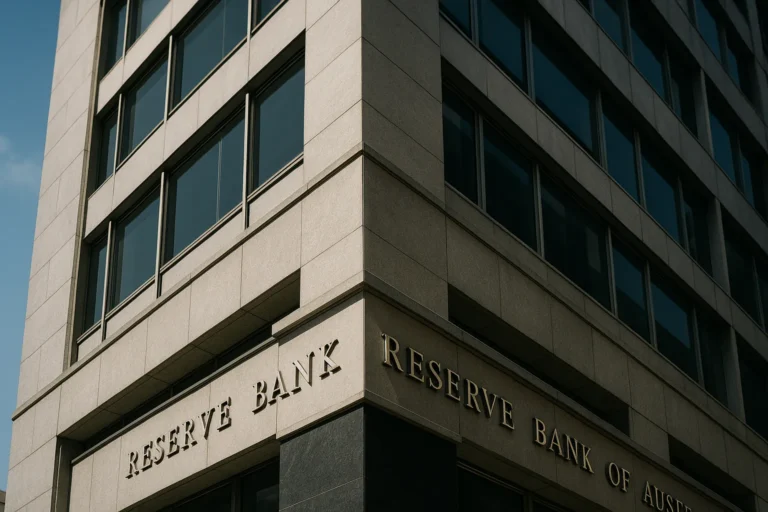
The timing matters. The data landed ahead of the Reserve Bank’s 2 and 3 November meeting, with the cash rate already at 4.60% after four increases this year. So the same weak result that strains household budgets also feeds an argument about whether the RBA should keep tightening.
Why the unemployment rate Australia watchers follow now matters for lenders
Mortgage stress rarely starts with a rate rise alone. It starts when a rate rise meets a lost shift, a cut in hours or a job that vanishes. Higher repayments are manageable for a household with stable income. They are a very different problem for one where income has just dropped.
That is why jobs data has become a housing-credit indicator. Serviceability, the test of whether a borrower can cover repayments from income, depends on both sides of the ledger. Rates push costs up. Employment determines whether income holds.
The latest figures hit the second part. Fewer people working, and fewer people in the labour force at all, means a thinner buffer under existing borrowers.
Economists split on what the RBA does next
The weak print did not produce a clear forecast. Here is how the commentary divides:
- One bank economist still expects the RBA to hold, but calls a hike plausible. The reasoning: forward-looking indicators remain solid, and underemployment has stopped climbing.
- Another bank forecasts a November rise, yet says higher joblessness makes a further increase later this year less likely.
- An industry economist argues inflation, not employment, will decide the outcome.
- A mortgage broker expects one or two more rises within a year.
That spread is the real signal. When professional forecasters cannot agree on a single meeting, borrowers should plan for a range rather than a call.
Inflation is the other half of the squeeze
Headline CPI reached 4.0% in the twelve months to August, up from 3.5%. Trimmed mean, which strips out volatile price swings, held at 3.6%. Neither is close to the RBA’s 2% to 3% target band.
The governor has said cuts will not come until inflation returns to that range, although she has also said she dislikes seeing job losses. Put those two statements together and you get the catch: the central bank is signalling it will tolerate some labour market weakness to get inflation down.
For households, that means the relief valve of lower rates is not close. The pressure on budgets can persist even while jobs data softens.
What the labour data means for arrears risk
Here is a rule of thumb. Watch the direction of employment alongside the cash rate, not either one alone.
- Rates up, jobs steady: stretched but coping.
- Rates up, jobs falling: arrears risk rises, particularly for recent buyers with thin buffers.
- Rates flat, jobs falling: a slower burn, with income loss becoming the main trigger.
The data given here does not tell us how many borrowers are exposed, and a single month of job losses does not make a trend. Underemployment has stopped rising, per one economist’s reading, which is a mild offset. But the direction of travel is the thing to track.
A practical read for borrowers
If you hold a variable loan, work out your repayment at one or two further rate rises, as the broker quoted above expects. Then ask whether your household income, and your cash buffer, would handle that if one earner lost hours.
If the answer is uncomfortable, speak to your lender early about options before arrears build. Lenders generally respond better to a borrower who calls first.
Stay across the next RBA decision and the next labour force release. Subscribe to the newsletter for the weekly signal.
For related reading, see how RBA rate hike odds flipped on sticky services inflation and why bank profit margins are expanding as investor loans collapse.
General info, not financial advice.