Foreign buyers Australian property approvals reached $4.7 billion in 2025-26, according to Treasury figures. The headline number sounds large, but it is 4 per cent lower than the $4.9 billion approved the year before. Two years ago the figure was $6.6 billion, so the current total sits well under that as well. The trend says something quieter.
The number of approvals tells the same story, and more sharply. There were 2979 approvals this year, compared with 3922 and 5581 in the two years before. Fewer deals are getting done, and the average approval is larger than it used to be.
What the Treasury numbers show
China still tops the list at $900 million from 785 approvals. That is more than the next two countries combined. But it is a long way off its past level. China stood at $1.4 billion the year before, and in 2023-24 the figure was higher again at $2.6 billion.
So the biggest source of foreign capital has fallen by about two thirds in two years. If you hear that overseas buyers are “flooding” the market, the data does not back it up.
Key numbers
- Total approvals: $4.7 billion in 2025-26, versus $4.9 billion and $6.6 billion in the prior two years
- Approval count: 2979, versus 3922 and 5581
- China: $900 million across 785 approvals, down from $1.4 billion and $2.6 billion
New builds are the only door open
A ban on foreign buyers, temporary residents and foreign-owned companies purchasing established homes now runs to 30 June 2029. There are limited exceptions, including projects that lift supply.
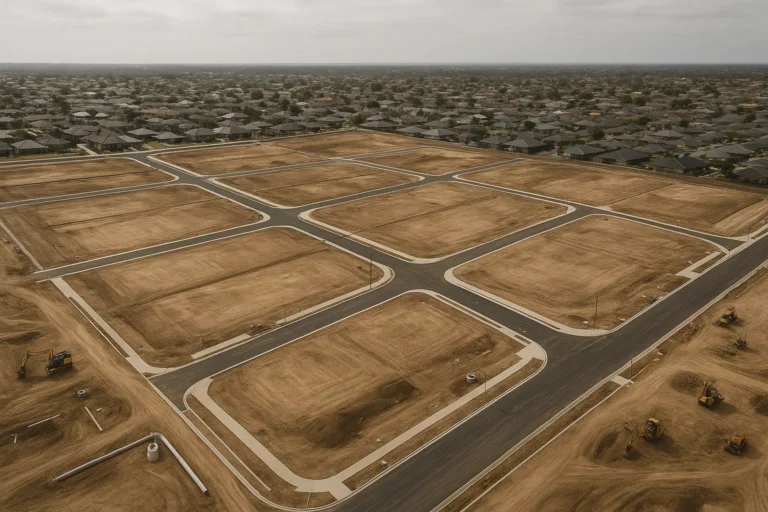
That matters for the question most readers care about. Foreign money is largely barred from competing with locals for existing houses and units. What gets approved is mostly aimed at new dwellings, which add to the housing stock rather than draw it down.
This is the policy working roughly as designed. In plain English: the capital that does arrive is steered towards construction, not towards bidding against owner-occupiers at auction.
Is it propping up a soft market?
Probably not by much. $4.7 billion sounds big, but it is spread across the whole country and across years of settlements. It is also shrinking. A flow that has fallen from $6.6 billion is not a source of fresh demand pushing prices up.
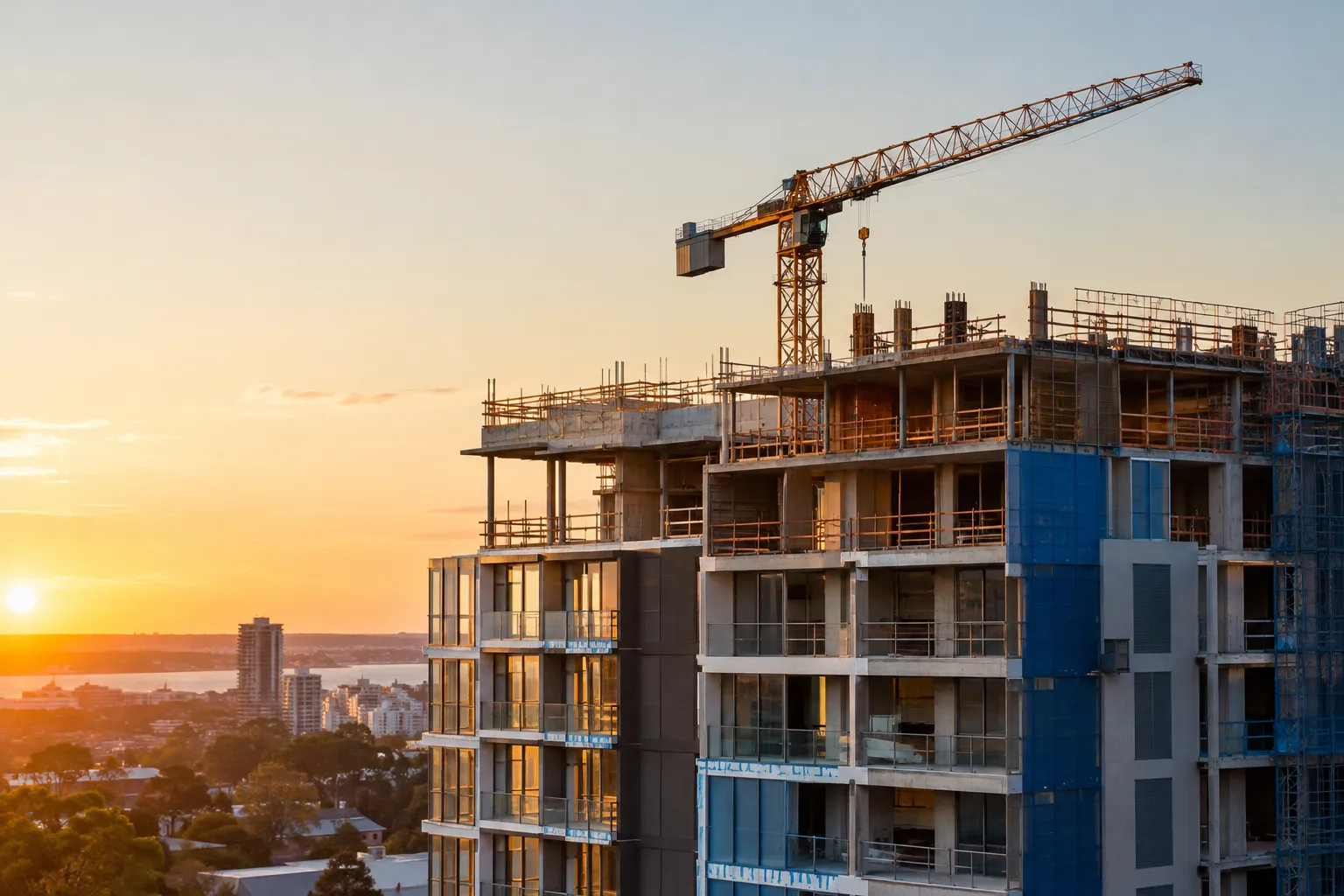
The more useful point is the catch. Foreign buyers in new apartments and townhouses often help a developer reach the presales needed to secure construction finance. If that demand thins out, projects can stall. So a drop in approvals is not automatically good news for affordability. It can mean fewer homes being built later. For more on how finance and costs are squeezing the build pipeline, see our analysis of new home building starts facing a double squeeze.
The approvals data may understate real demand
One industry economist argues Chinese demand has not disappeared. Buyers are waiting for permanent residency, because once they hold it they are no longer treated as foreign buyers and can buy established homes. If that is right, the approvals figures understate overseas-born demand, because those purchases would show up as ordinary domestic transactions.
That claim is hard to verify from this dataset alone. Treat it as a plausible risk rather than a settled fact. It suggests the real competition for locals may be larger than the foreign approvals line implies, but also that it is invisible in this data.
Policy effect or weak cycle?
Commentary on the fall tends to split into two camps. One reads it as the ban and higher fees doing their job. The other reads it as a cyclical retreat, with softer conditions and tighter credit putting off buyers regardless of policy.
Both can be partly true, and the data cannot cleanly separate them. The ban took out the established-home segment. The weaker cycle may be dampening the new-build segment that remains open. A fair reading is that policy set the ceiling and conditions are keeping activity well below it.
What could change this
- A policy shift before 2029 that loosens or tightens the exceptions
- A pick-up in permanent residency grants, which would move demand out of the foreign category
- A further slowdown in apartment presales, which would hit supply
- A shift in the mix between source countries, if China’s decline continues
For readers weighing how government settings shape the market, our guide to budget, policy and government housing schemes covers the wider picture.
What to take from it
If you are a buyer worried about overseas competition, the approvals data is mildly reassuring. The flow is smaller than two years ago and is mostly confined to new builds. If you are watching supply, the thing to track is whether foreign-backed projects keep reaching construction. Check the next Treasury release and compare the new-build share, not just the headline total.
Subscribe to the newsletter for the weekly read on policy and market data.
General info, not financial advice.