Australians aged 25 to 34 are 17 per cent less likely to own a home than they were forty years ago. That is the headline from the 2026 Intergenerational Report, and it translates into roughly 250,000 fewer young households as owners than historical rates would imply. The Intergenerational Report housing shortage story is usually told as a fairness problem. It is also a budget problem, and that second part gets far less airtime.
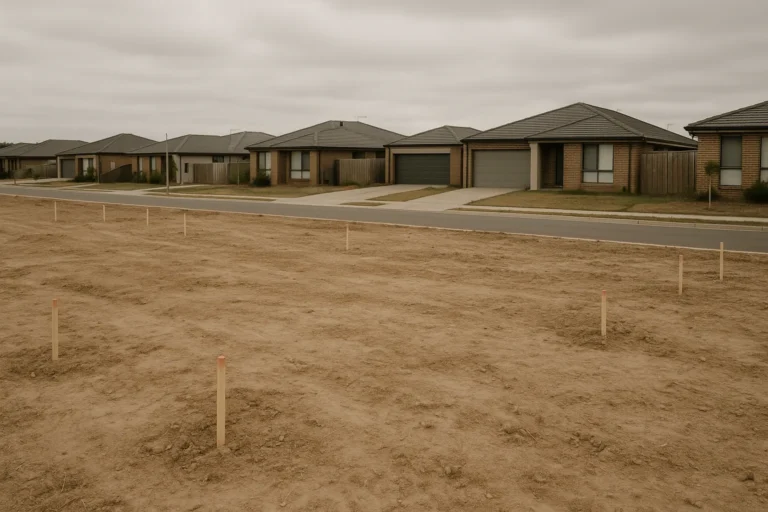
250,000 households that did not buy
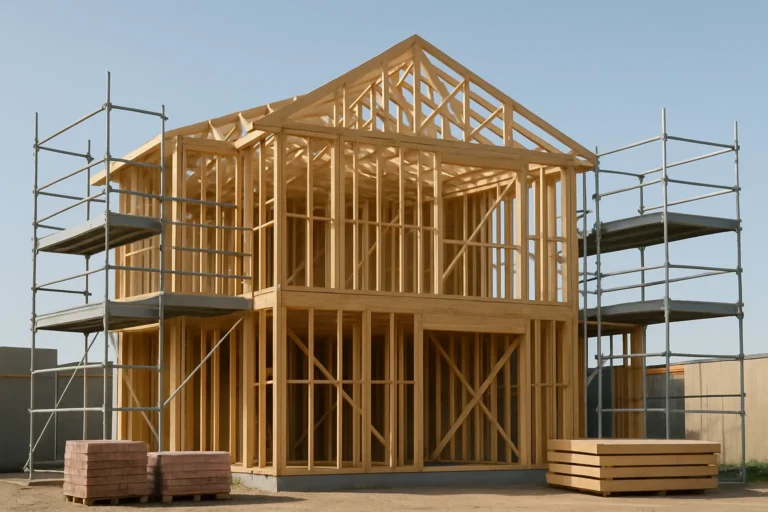
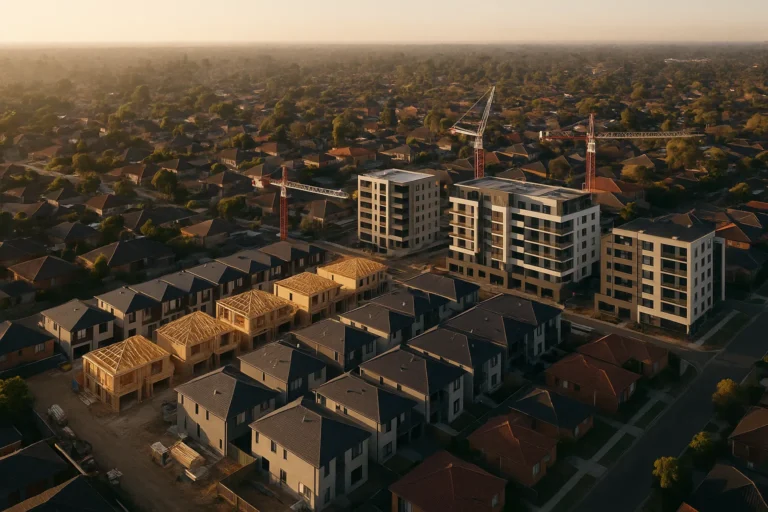
The report also found that construction has fallen behind demand, reversing a pattern that held for about 25 years. Annual building volumes are now about half what they were thirty years ago.
So two things have happened together. Fewer young people are getting into ownership, and the country is building fewer homes than it used to. Those trends feed each other. When supply lags, prices and rents stay high, and the deposit gets harder to save.
Key numbers
- 17 per cent: fall in ownership among 25 to 34 year olds over forty years
- About 250,000: fewer young owner households than historical rates imply
- About half: today’s annual building volume compared with thirty years ago
- 1.2 million: the National Housing Accord target for new homes over five years
The fiscal angle most coverage skips
Here is the part worth pausing on. Ownership is not just a lifestyle outcome. Owning a home outright by retirement is one of the quiet supports of the retirement income system. A retiree with no rent to pay needs far less income to live on.
The report summary does not put a dollar figure on this, so we will not invent one. But the logic is straightforward. A generation that reaches retirement still renting is likely to lean harder on rent assistance and the age pension than the generation before it. Fewer owners today points to a larger call on public money in a few decades.
That is a second-order effect, and it is a probability, not a certainty. People can still buy later in life, inherit, or downsize into ownership. But the direction of travel matters for anyone thinking about long-run budgets.
Western Australia shows how the target is slipping
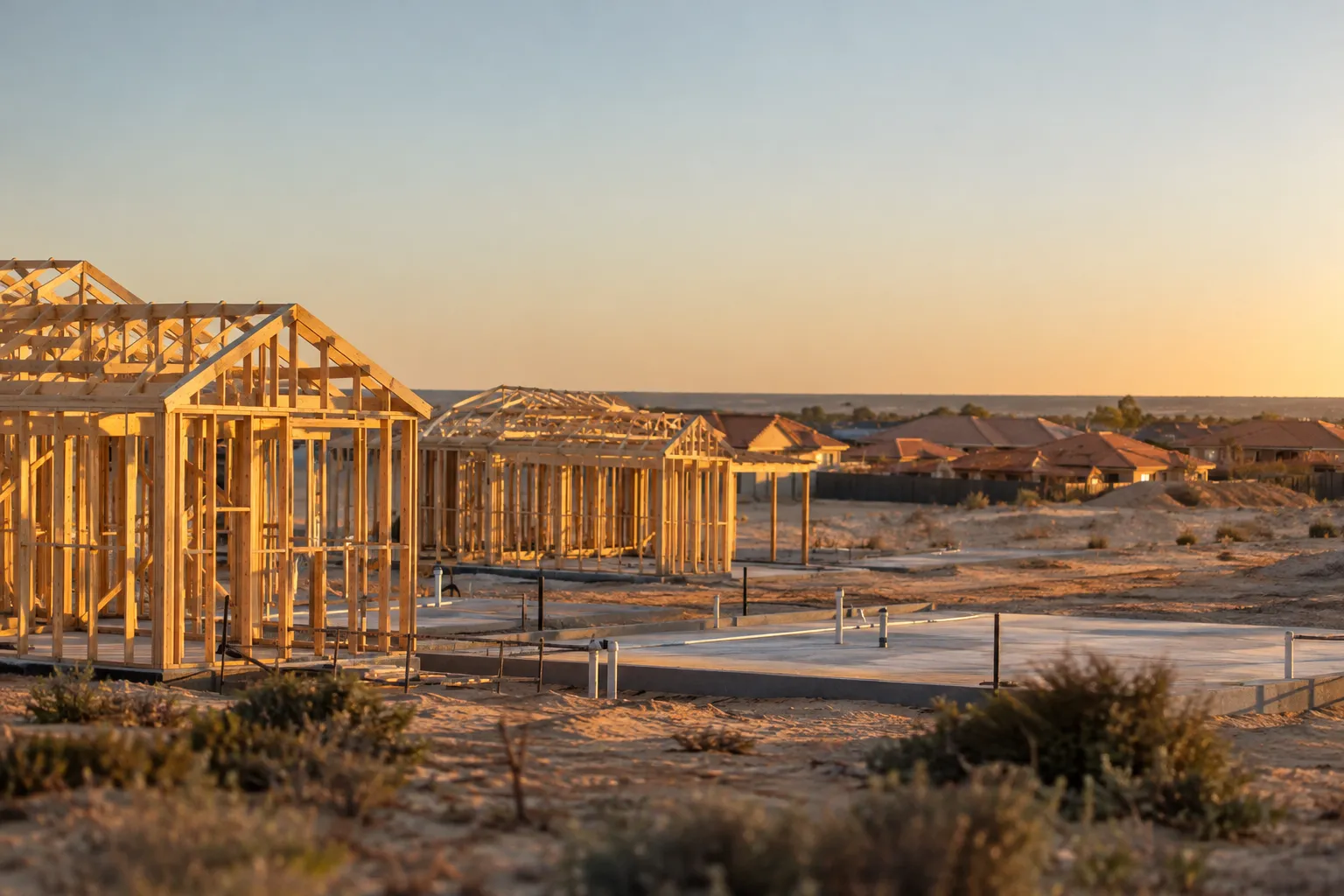
The National Housing Accord aims for 1.2 million new homes nationally over five years. Australia remains well off pace, and Western Australia is a clear example. Its share is 129,000 homes by June 2029.
Between September 2024 and March 2026, across seven quarters, the state finished 37,312 dwellings. That averages 5,330 per quarter, against the roughly 6,450 needed. It did not hit the required pace in any single quarter and sits 7,838 dwellings behind.
An industry body projects that, at the current average, the goal would be reached in the second quarter of 2030. Infrastructure limits and developer intentions could push that to 2031 or 2032. Missing a five-year target by one to three years sounds modest. In housing terms it is a long wait for people already priced out.
What the industry body wants fixed
The proposed remedies are mostly about removing friction rather than adding subsidy:
- A coordinated, long-term supply plan
- Firmer deadlines and less duplication among referral agencies
- Enabling infrastructure funded ahead of demand, not after it
- Making medium- and high-density projects financially viable
- Audits of policies and charges, with clear accountability for targets
The infrastructure point is the one to watch. Land can be zoned quickly, but a site without water, power and roads does not produce homes. Funding that work ahead of demand is expensive upfront, which is why it tends to slip.
What would change the read on the budget risk
The fiscal worry softens if supply recovers and ownership rates stabilise for the cohort now in their late 20s and early 30s. It hardens if completions keep running below the pace the Accord needs, because every quarter of undersupply adds to the pool of households likely to rent into old age.
The practical take for readers is simple. Watch quarterly completions, not announcements. Targets are easy to set. Finished dwellings are the proof, and right now they are running behind. For related context, see our look at whether another supply pledge will build homes and our Perth market forecast.
If you want the weekly signal on policy and supply, subscribe to the Australian Property Review newsletter.
General info, not financial advice.